Translated with AI from the Russian original.
Rostec will actively develop sanitary aviation in accordance with the Healthcare Development Strategy until 2030 approved by President Vladimir Putin, the state corporation's press service reported.
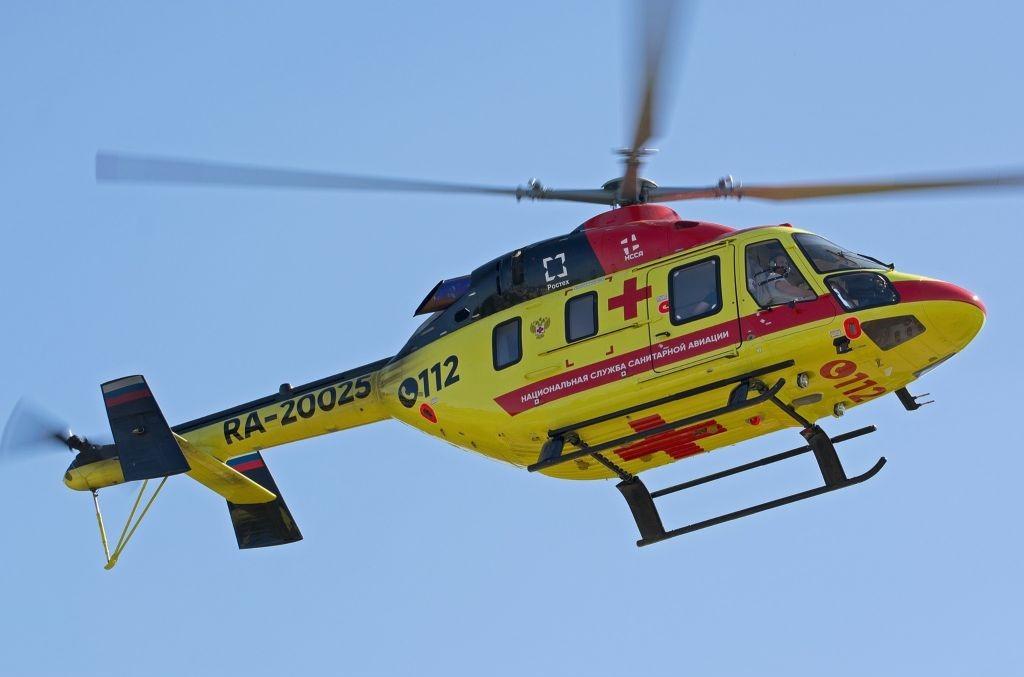
This includes not only the rapid transportation of patients by helicopters of the National Sanitary Aviation Service (NSAS), but also the production of aircraft and medical equipment.
The workhorses of sanitary aviation, the Ansat and Mi-8, are produced by the Russian Helicopters holding. There are plans to expand the fleet with airplanes. These machines are produced by our UAC.
The state corporation added that medical equipment is being developed by the Concern "Radioelectronic Technologies", the "Schwabe" holding, "Rosel", and other enterprises within the Rostec structure.
About the results of the NSAS work
The sanitary aviation service was established in August 2017 on the initiative of Rostec. It currently operates in more than 50 regions of Russia. Thanks to the NSAS, over 54,000 patients, including children, have been saved. This assistance is particularly in demand when ground transportation cannot ensure the rapid transportation of a patient to a medical facility.
Read more on the topic:
- Rostec delivered nine new Mi-8MTV-1 helicopters for sanitary aviation
- Ansat and Mi-8: 76 helicopters joined the fleet of the National Sanitary Aviation Service
- New versions of Ansat and Ka-32A11M helicopters finally made it to Dubai Airshow 2025
Never miss our newsAdd this site to your preferred sources to see us more oftenAdd on Google

















