Translated with AI from the Russian original.
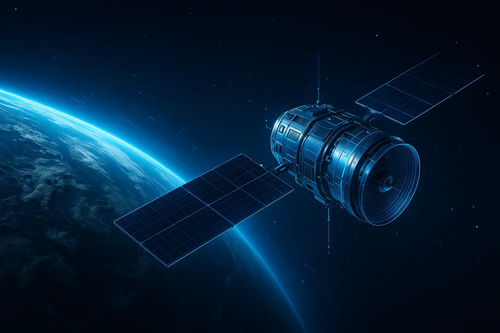
The company "Bureau 1440" may require 445 billion rubles to create a satellite constellation to provide high-speed Internet throughout the country - an analogue of Starlink.
Presumably, the project may be launched as early as 2030, but the figure announced is a preliminary estimate of the project, according to the draft version of the passport of the project "Infrastructure for access to the Internet".
By the end of 2030, the "Bureau 1440" group should consist of 292 satellites, and a total of 383 satellites will have to be launched.
This will require 24 rocket launches. The goal of the project, as stated in the document, is to increase the share of households with access to high-speed broadband Internet to 97% by 2030 and to 99% by 2036.
The head of Roscosmos, Dmitry Bakanov, noted that the first Starlink terminal has almost been created. Now it is imperative to make your own satellite device.
Related materials:
The Russian orbital station will provide reliable protection of astronauts from cosmic radiation
Never miss our newsAdd this site to your preferred sources to see us more oftenAdd on Google

















