Translated with AI from the Russian original.
The Russian government has approved the creation of a drug screening system using the "human-on-a-chip" model, which will allow testing drugs on cells that mimic the functioning of the human body.
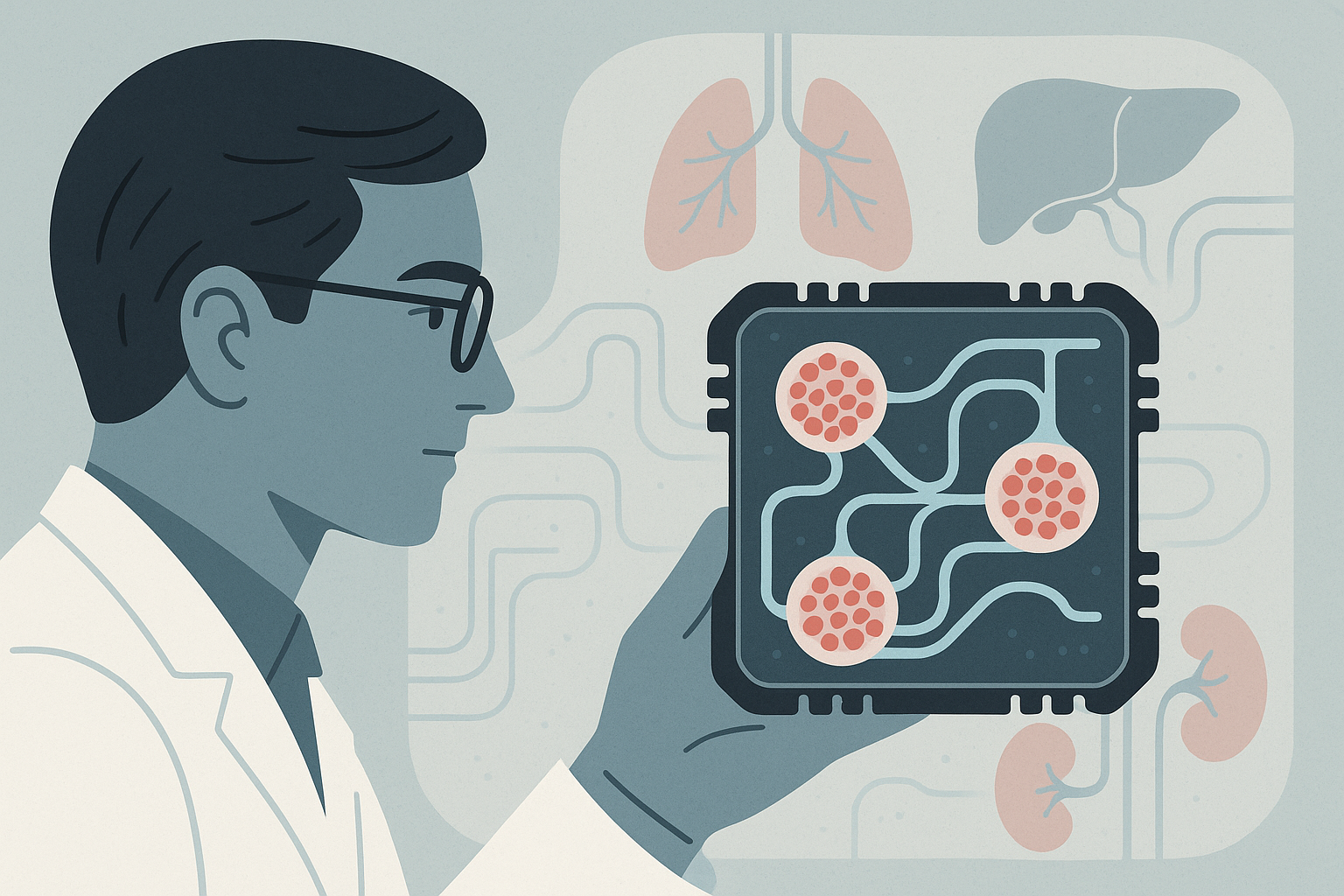
The technology will become part of the genetic technology development program for the coming years. With its help, scientists will be able to quickly evaluate many biological and chemical substances and identify the most promising ones for the development of new drugs.
A "human-on-a-chip" is a bioengineering platform where living cells are grown on microchannels of a chip through which nutrient solutions circulate. This model creates a more natural environment than traditional tests on individual cell cultures and allows for a partial abandonment of animal testing. It brings the research closer to the real impact of the drug on an organ or the body as a whole.
There are already successful developments in Russia. In the summer of this year, scientists at the Research Institute of Pulmonology of the FMBA created a "lung-on-a-chip", with which they are studying the effect of the extreme Arctic climate on the respiratory system. The results are important for deep-sea divers and work in the Arctic. Models of the liver, kidneys, and intestines have also been developed, which are used for testing various drugs.
Work on "organs-on-chips" is included in state programs. As part of the "Priority-2030" project, the Siberian State Medical University is creating a liver organoid with micrometastases for testing innovative drugs. This allows accelerating development and improving the accuracy of research.
Read more on the topic:
- "Organ-on-a-Chip": Revolutionary Medtech Being Developed in Tomsk
- "Brain-on-a-Chip": Artificial Organ Grown in a Test Tube in Nizhny Novgorod
- Head of the Russian Academy of Sciences: Cyborgs Will Start Appearing by the End of the 2030s
Never miss our newsAdd this site to your preferred sources to see us more oftenAdd on Google

















