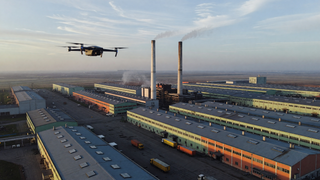
Production of brake systems for passenger cars will be launched at the largest plant "Roslavl Brake Systems" in the Smolensk region. This was announced by the governor of the region, Vasily Anokhin.
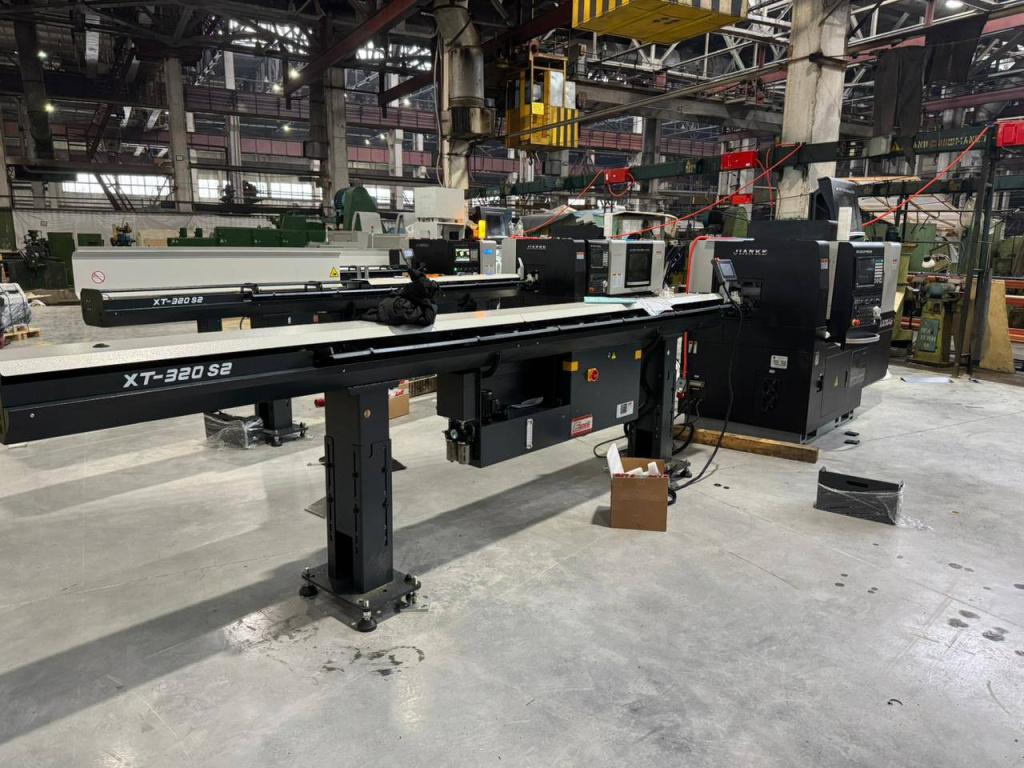
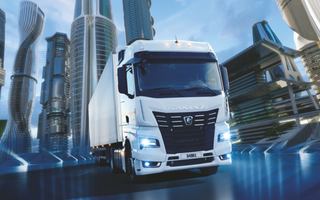
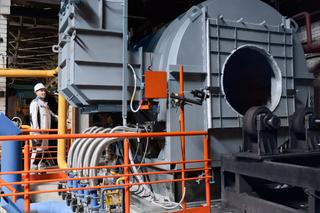
We have an interesting project in automotive engineering, we are reviving the large plant "Roslavl Brake Systems". In fact, now, as part of import substitution, it is the only plant that made brake systems for large-sized cargo transport. Now they have invested additionally in it, have already attracted a loan from the FRP, and we will produce not only brake systems for trucks, but also for passenger cars and so on.
The Smolensk region is actively developing the industrial sector, reviving enterprises that were lost in the post-Soviet years. For effective development, the head of the region identified three key clusters - aircraft construction, automotive engineering, and shipbuilding.
Another of our enterprises - "Izmeritel" - released a servo drive for the first time in Russia.
In aircraft construction, it is planned to produce a wing for the "Ladoga" aircraft in 2028.
Earlier,www1.ru reported that a new passenger car under the revived brand "Volga"may begin production in the spring of 2026.
Read materials on the topic:
Russia plans to develop a new aircraft model using the An-124 as a basis
Never miss our newsAdd this site to your preferred sources to see us more oftenAdd on Google