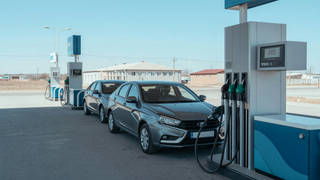
AvtoVAZ announced the completion of tests of the Lada Iskra sedan. The checks confirmed the reliability of the car, as well as the effectiveness of the built-in active and passive safety systems.
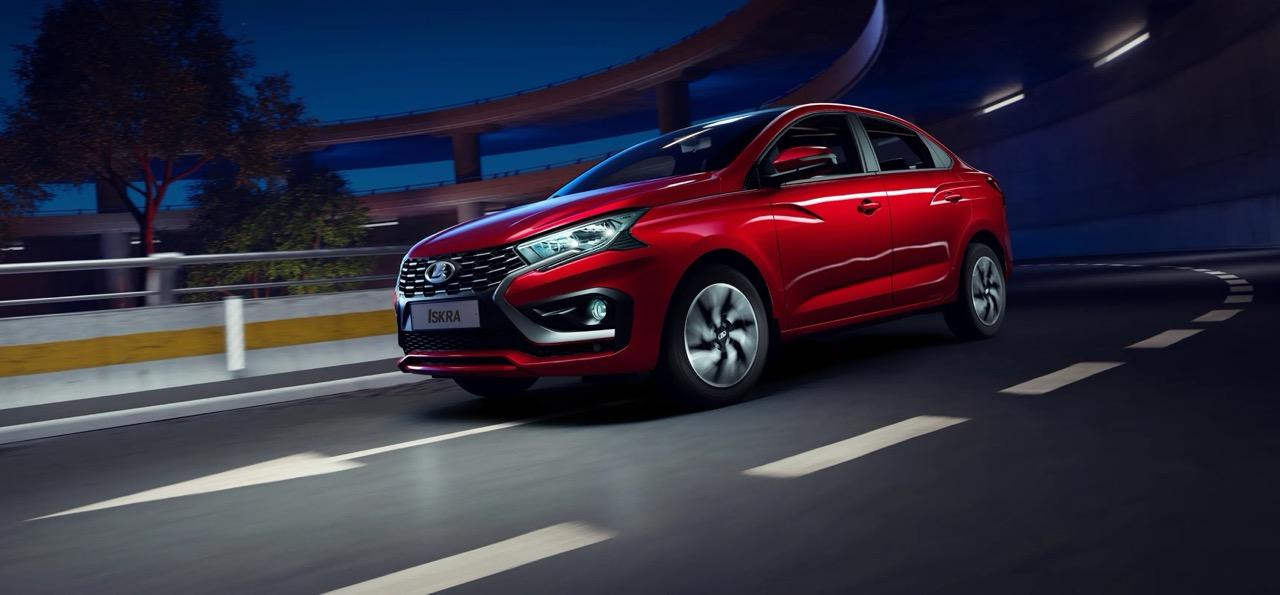
Engineers focused their efforts on developing technologies to prevent emergency situations and protect passengers. The active complex includes stability control, anti-lock braking system, brake force distribution, emergency braking assistance, traction control function, hill start assist and rollover protection system, available in the Cross version. Additionally, tire pressure monitoring and automatic activation of the emergency alarm during sudden braking are installed.
The list of passive solutions includes seat belts with pretensioners, front airbags, an electronic control unit with an impact sensor, and notification of unfastened seat belts. The design of the body and interior provides for the use of materials that reduce the risk of injury and exclude sharp edges. The engineering base allows you to mount up to four airbags, although only two have been announced so far.
Among the additional functions, automatic door locking while driving, emergency mechanical opening in case of electronics failure, and protection of the fuel tank hatch from unauthorized access are provided.
Read more on the topic:
Lada Iskra assembly in St. Petersburg suspended
What to buy instead of Lada Iskra: AvtoVAZ named the main competitors of the new model
Never miss our newsAdd this site to your preferred sources to see us more oftenAdd on Google