Translated with AI from the Russian original.
The Russian government is approving a concept for the development of the gas motor fuel (GMF) market, which envisages a more than fivefold increase in the production of natural gas vehicles between 2025 and 2035. This plan is designed to address the problem of transport dependence on expensive gasoline and diesel and reduce the environmental burden, which is critical for logistics and passenger transport. As First Deputy Minister of Energy Pavel Sorokin said in late July, the concept is in the final stages of approval.
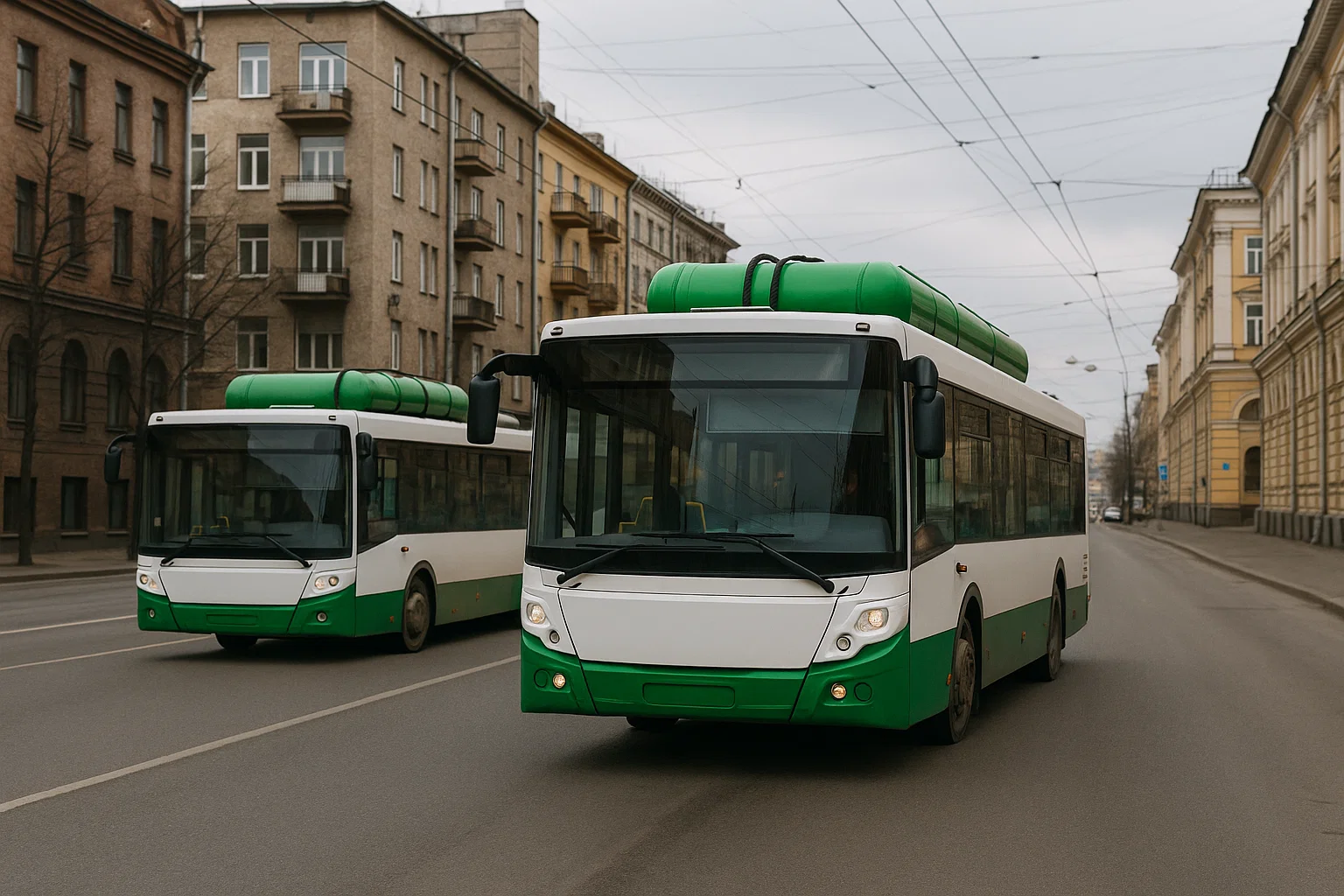
The document provides for two scenarios, the basic of which looks the most realistic. According to it, the total production of vehicles on compressed (CNG) and liquefied (LNG) natural gas in 11 years should reach 347,285 units. The largest contribution to this growth will be made by buses (120 thousand units), which will make public transport more environmentally friendly, as well as cars (almost 96 thousand) and trucks (86 thousand). Already in 2025, the production of such equipment may triple - up to 15.5 thousand units.
So far, traditional gasoline and diesel transport retains a dominant position in the market, but its operation is associated with high costs for carriers and ordinary car owners, as well as significant emissions of harmful substances. Existing models of gas motor vehicles, although offering fuel savings, often require additional initial investments and developed refueling infrastructure, which has hampered mass demand.
The implementation of this concept will pave the way for significant fuel savings for transport companies and taxi fleets, as well as reduce air pollution in large cities by updating the bus fleet.
Read more materials on the topic:
No diesel - will run on oil: a prototype of biofuel based on rapeseed oil was created in NovSU
A rare specimen of the Moskvich-408 car of 1967 is being sold in Russia
Never miss our newsAdd this site to your preferred sources to see us more oftenAdd on Google

















