A new ultra-light launch vehicle, SpaceNet, developed by students of the Baltic State Technical University "Voenmekh" in collaboration with a St. Petersburg startup, has been presented in Russia. Its mass is only 14 tons - 15-20% less than analogues, thanks to the use of cryogenic tanks made of composite materials. This solution not only lightens the structure, but also reduces production costs.
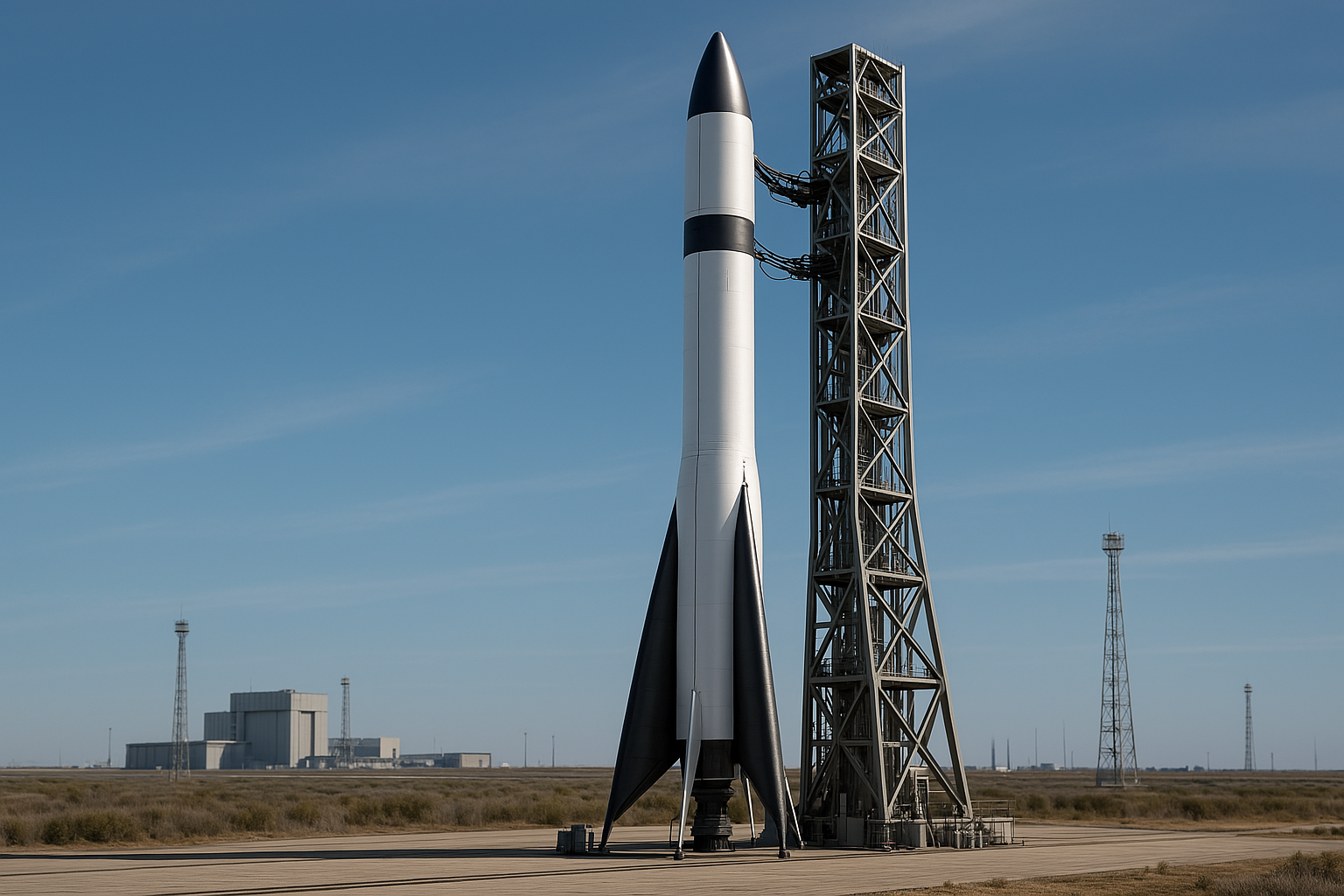
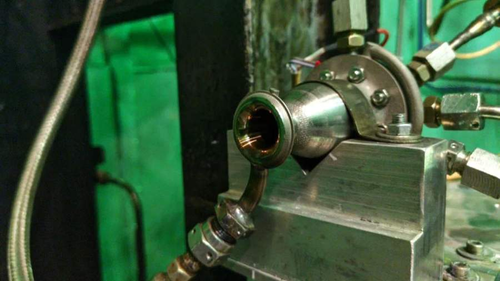
The project actively uses high-precision modeling with the use of artificial intelligence, which made it possible to optimize the aerodynamics and internal layout of the rocket. Engine parts are created using bimetallic 3D printing from bronze and steel, which increases the heat resistance of the combustion chamber and reduces fuel consumption.
SpaceNet is designed to launch small spacecraft into orbits with altitudes of 500, 800 and 1500 km. Unlike piggyback launches, the new rocket provides flexibility in choosing orbital parameters and reduces order fulfillment times. This is especially important for the formation of low-orbit constellations within the framework of national programs.
At the current stage, prototypes of the propulsion system, turbogenerator and mock-up of the upper stage have been developed. The production of liquid engines for the first stage is underway. In the future, it is planned to introduce heat-resistant alloys, new fiber materials and environmentally friendly technologies.
According to experts, the project may occupy a niche in the aerospace industry, despite the potentially higher cost compared to piggyback launches. Competition with other initiatives, including Roscosmos' reusable rockets, stimulates technological development and expands the capabilities of the industry.
Earlierwww1.rureported on the design of the Voronezh ultra-light rocket.
Read more materials on the topic:
By analogy with SpaceX: Roscosmos is developing a returnable first stage of the rocket
Roscosmos plans to double the orbital constellation of satellites in two years
Roscosmos presented a plan for deorbiting the ISS: the process will take 2.5 years
Never miss our newsAdd this site to your preferred sources to see us more oftenAdd on Google

















