Hungary is resuming the construction of the Paks-2 nuclear power plant. This was announced by the Minister of Foreign Affairs and Foreign Economic Relations of Hungary, Péter Szijjártó.
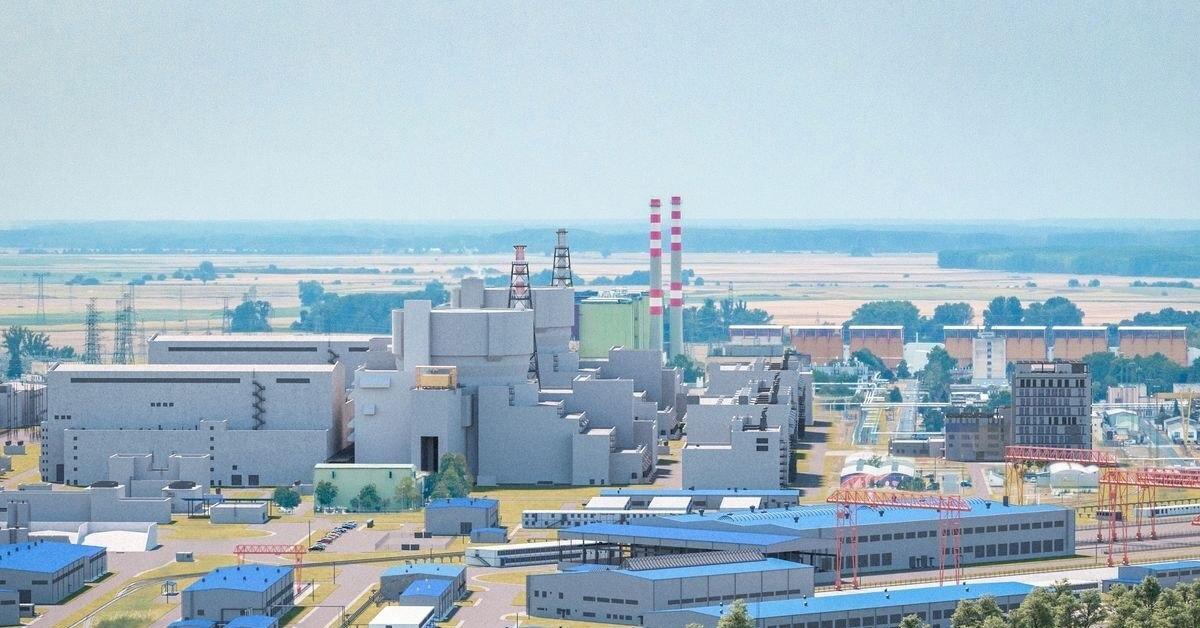
The new units may be ready by the mid-2030s. This will allow the NPP to meet up to 70% of the country's electricity needs.
Thus, investments in Paks-2 are now gaining new momentum, so that from the middle of the next decade we will be able to meet 70% of the demand for electricity in Hungary through our own nuclear production.
Szijjártó noted that the exclusion of a number of Russian banks and insurance companies from US financial sanctions will allow the Rosatom State Corporation to cooperate more actively with Hungarian partners. The implementation of the project will allow Hungary to reduce imports of natural gas by 3.5 billion cubic meters and reduce carbon dioxide emissions by 17 million tons, which will increase the country's energy independence.
Paks-2 NPP will be built with two VVER-1200 generation "III+" power units and has a guaranteed service life of 60 years. This project is the first Russian nuclear project on the territory of the European Union, and the main license for its construction was issued by the Hungarian regulator in August 2022.
Read materials on the topic:
Green light given in Hungary to pour concrete at the Paks-2 NPP
About two thousand people are working on the construction of Paks-2 in Hungary
Rosatom is bringing a 750-ton melt trap to Hungary for the Paks-2 NPP
Never miss our newsAdd this site to your preferred sources to see us more oftenAdd on Google