Thousands of motorists who have imported cars into Russia through parallel import schemes have encountered serious problems when trying to officially register their vehicles or get rid of them. According to the Ministry of Internal Affairs, owners of such cars may face difficulties in paying the recycling fee, falsifying documents on the safety of the design, and violations at the import stage.
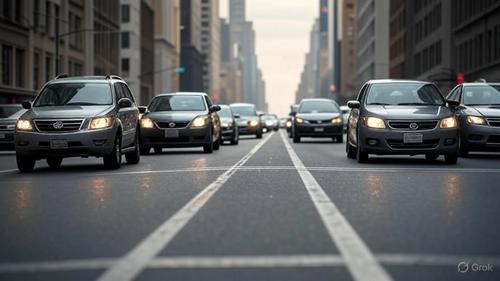
One of the main problems is the inability to sell a car without a valid electronic vehicle passport (EPTS). If the EPTS is canceled or missing, the new owner will not be able to register the car with the traffic police, which makes the vehicle legally a "dead asset." This means that it cannot be sold, used as collateral, or inherited.
Experts call this situation "eternal registration," when the car is formally registered to the owner, but in fact loses its legal value. Such problems are especially common for those who purchased cars through dubious intermediaries or companies that promised quick registration without unnecessary formalities.
Given the shortage of new cars and the high demand for used foreign cars, cases with "dead assets" are becoming more common. This creates risks for buyers who may become owners of cars with irreparable legal problems.
Earlier www1.ru reported that a total ban on loans to protect citizens is proposed by the Ministry of Internal Affairs.
Read materials on the topic:
3.6 million Russians have already set a self-ban on loans
Some borrowers are trying to circumvent the ban on loans
VTB allowed setting a self-ban on transactions in ATMs and QR-code
Never miss our newsAdd this site to your preferred sources to see us more oftenAdd on Google

















