Translated with AI from the Russian original.
The first footage of debris from the cassette warhead of Kh-101 air-launched cruise missiles for Tu-95MS and Tu-160 strategic bombers has appeared online.
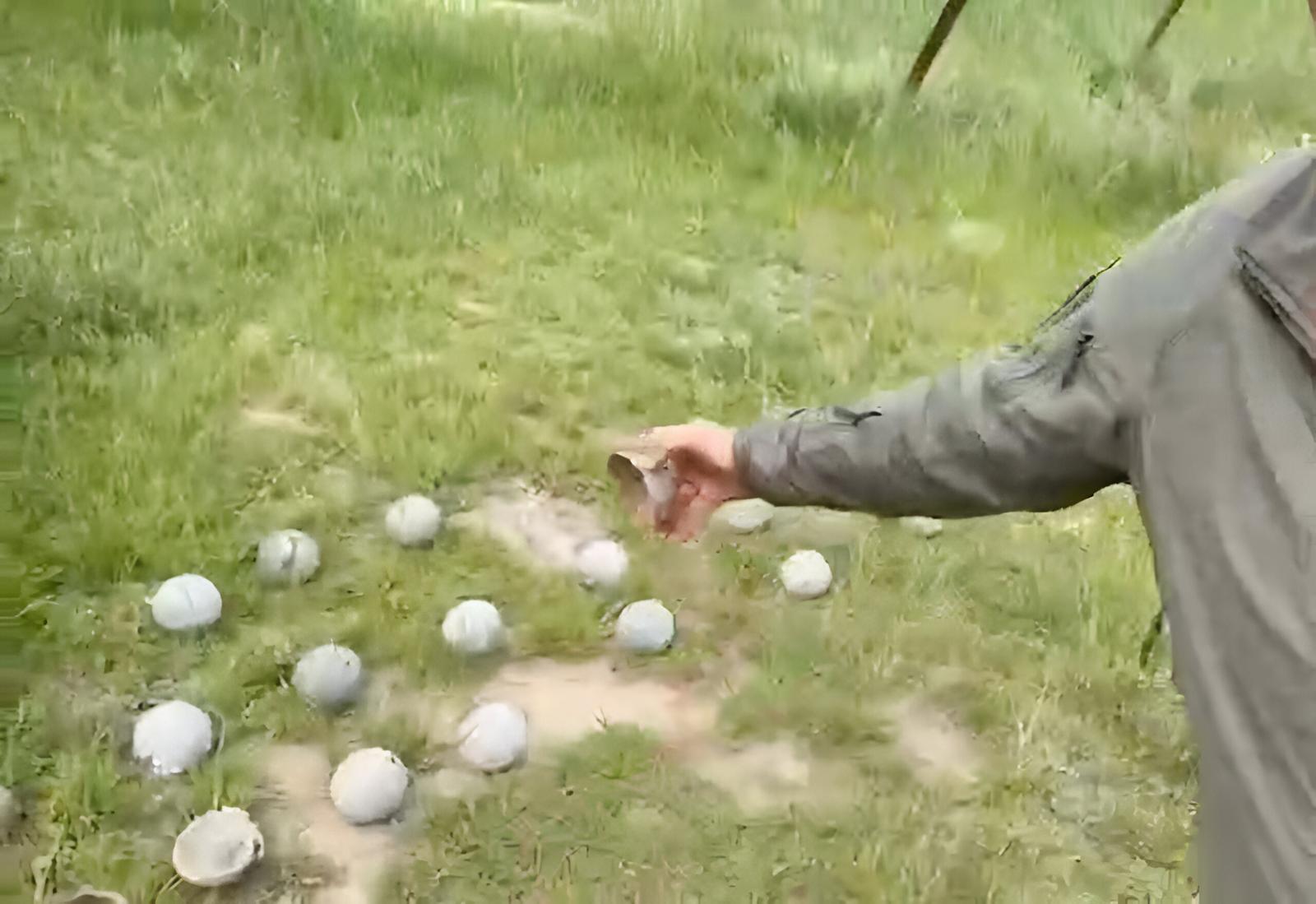
This type of warhead appeared on cruise missiles for more effective engagement of air defense system positions and exposed aircraft at airfields. The footage shows submunitions from the Kh-101.
In a non-nuclear configuration, the Kh-101 carries a 400-kg high-explosive warhead. In a thermonuclear configuration, the projectile's yield is adjustable. The missiles are carried by Tu-95MS and Tu-160 strategic bombers.
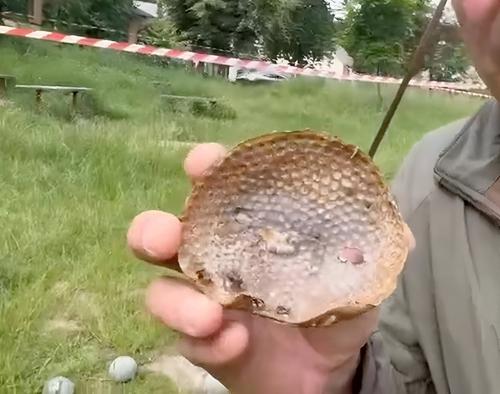
Work on the Kh-101 missile began during the USSR era. In 2012, the Kh-101 (in nuclear configuration - Kh-102) was adopted into service by the Russian army. Distinctive features of the Kh-101 include a jamming system and reduced radar signature.
Earlier,www1.ru reported thatthe manufacturer of Tapir landing ships won the right to spend 2 billion rubles on furniture.
Read more materials:
Floating "Tank": The main feature of the BMP-3 was shown on video
A new secret trap for enemy drones has been developed in Russia
Never miss our newsAdd this site to your preferred sources to see us more oftenAdd on Google

















