The transition to new LiAZ buses in Perm caused transport disruptions. Supply disruptions and equipment malfunctions complicated the launch of the reform on June 1.
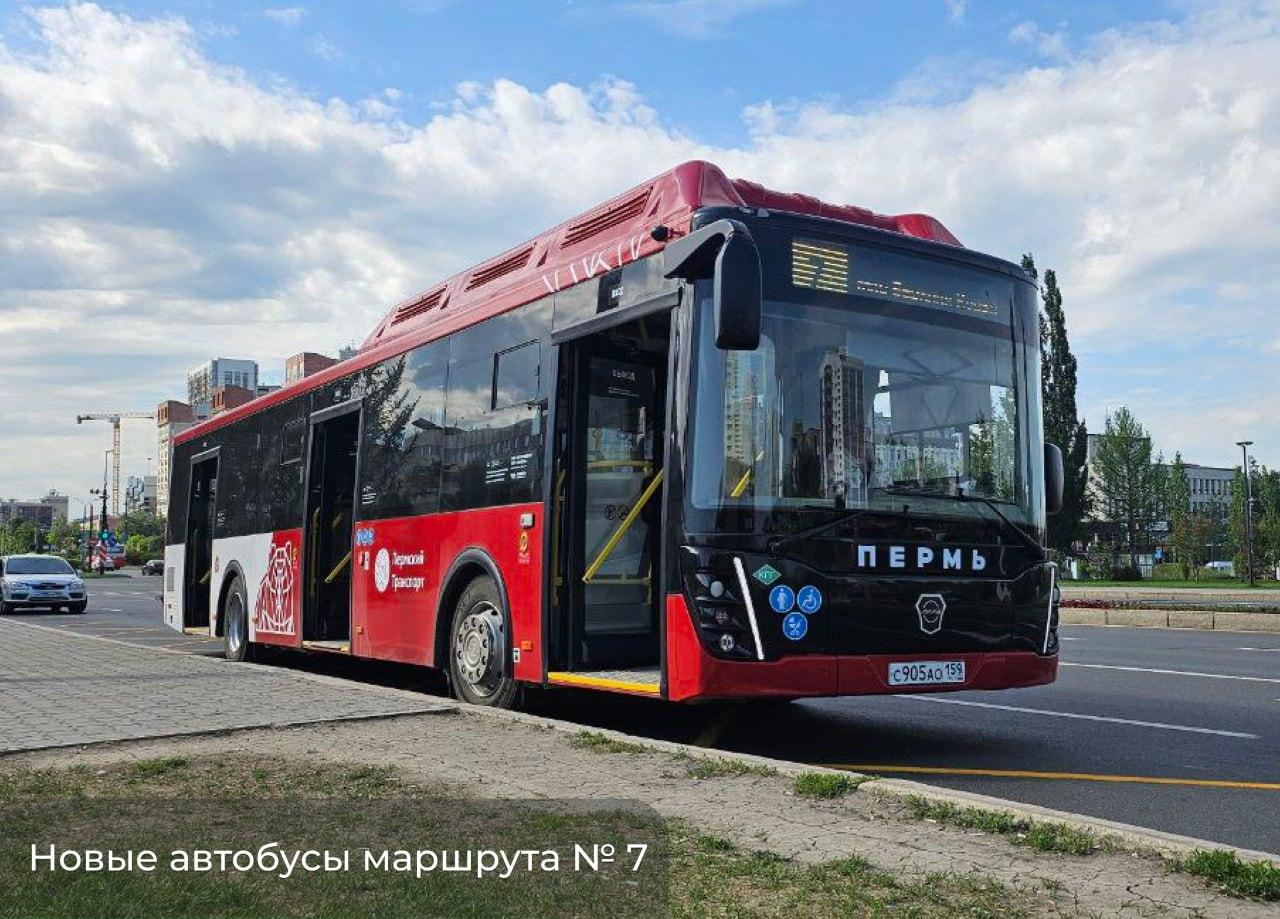
The public transport reform in Perm faced difficulties due to problems with the new LiAZ buses. Carriers reported technical failures: slow door operation, malfunctions of auto-informers and displays, and disconnecting air conditioners. Some of the buses did not arrive in the city within the promised time frame.
Similar complaints were previously received about equipment from other manufacturers, including NefAZ buses.
The Likino Bus Plant explained that some of the problems are related to improper operation and insufficient training of drivers. Equipment malfunctions were attributed to errors in third-party software. The plant promised to fix the malfunctions under warranty.
The plant does not consider the slow opening and closing of doors to be a malfunction. This mechanism meets safety requirements and prevents the vehicle from moving with the doors open, which reduces the risk to passengers.
Read materials on the topic:
Leading Russian bus plant LiAZ abandons Chinese engines
The first carrier of YaMZ-537 of the new generation: LiAZ resumes production of articulated buses
Yaroslavl Motor Plant has released its own SAE 5W-40 engine oil for YaMZ diesels
Never miss our newsAdd this site to your preferred sources to see us more oftenAdd on Google

















