The first flight of the prototype Su-57 fighter took place on January 29, 2010. The aircraft has been in the sky for over 15 years, but recently more and more Western publications have stated that the Su-57 does not meet the requirements for a fifth-generation fighter.
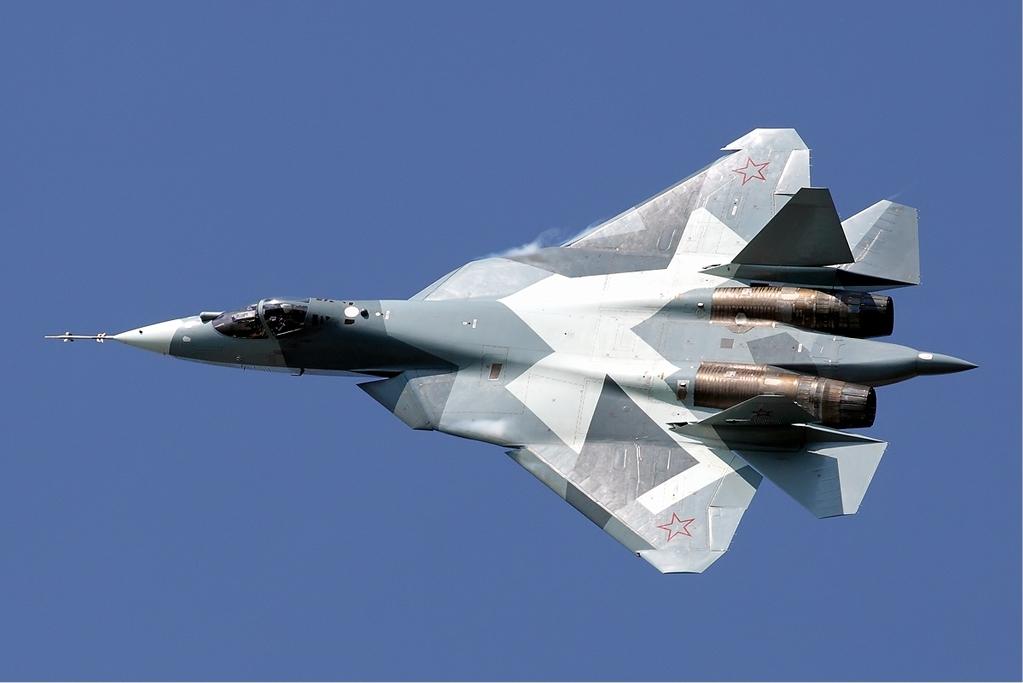
Today, the concept of a fifth-generation fighter is formally associated with the fact that the aircraft must meet the requirements for stealth, super-maneuverability at low speeds, supersonic flight in non-afterburning mode, modern avionics, internal suspension for weapons, and a number of other parameters, including interaction with other aircraft, drones, and ground-based weapons systems.
Basically, the rhetoric surrounding the Su-57's non-compliance with the fifth generation is based on allegedly unsuitable engines for the combat vehicle.
AL-41F1 Engines
Claims regarding the aircraft's power plant did not arise out of nowhere, as all serial-produced Su-57s are equipped with two AL-41F1 "first stage" turbofan engines.
These engines were developed using fifth-generation jet engine technologies and have a fairly good thrust-to-weight ratio. In terms of its key parameters, it is at least not inferior to the engines that are currently installed on the latest modifications of the F-16 Block-70 and F-15EX fighters.
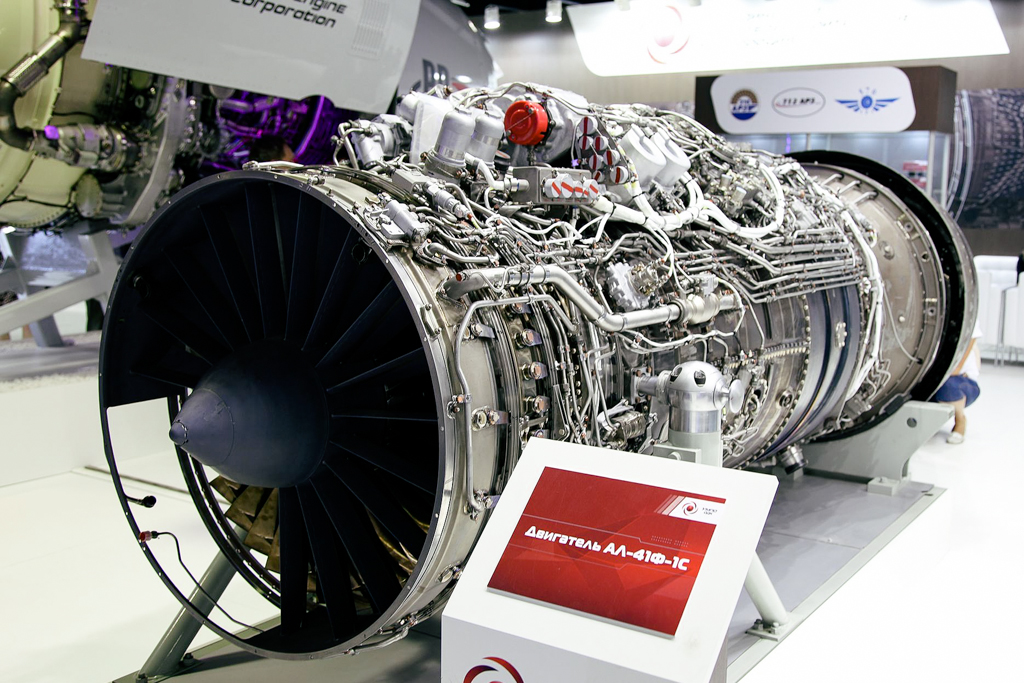
However, the thrust characteristics of the Russian Su-57 with a full combat load are slightly inferior to the F-22, as the American flagship received a more powerful power plant based on two Pratt & Whitney F-119 engines. Moreover, with approximately the same dimensions and weight.
As a result, the American F-22 fighter's power plant has a thrust-to-weight ratio of about 1.1 at takeoff using afterburner, while the Russian one is slightly less than one and amounts to 0.96.
However, without the use of afterburner mode, which directly affects non-afterburning cruising supersonic speed, this indicator is more modest and the difference becomes more significant - 0.78 versus 0.62, which is about a 20% difference not in favor of the Su-57.
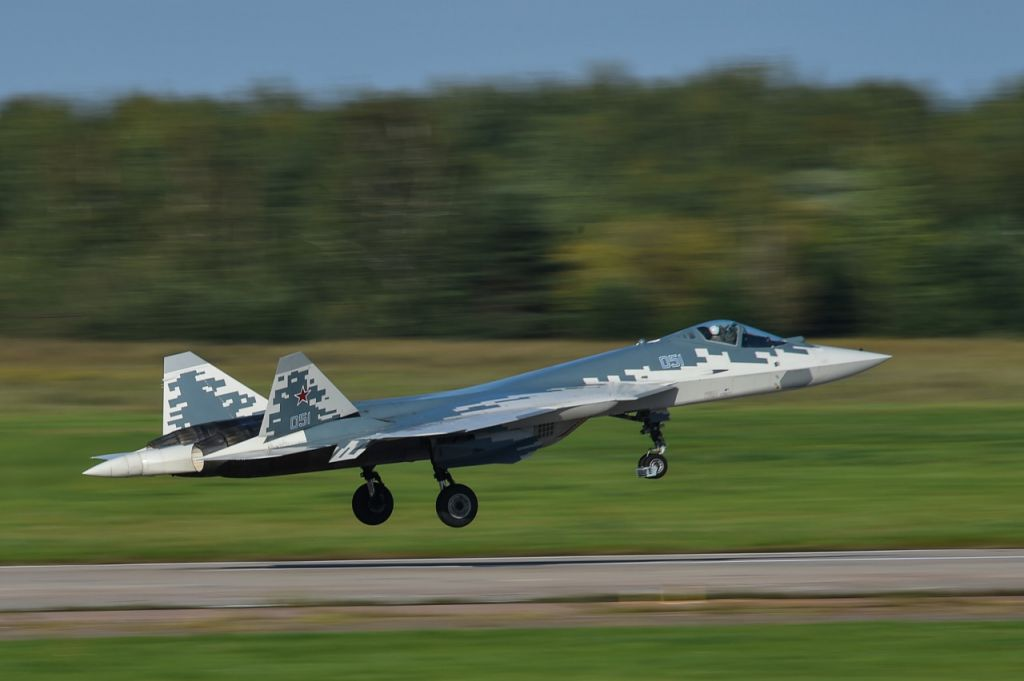
According to a number of open sources, the non-afterburning speed with a full combat load of the Su-57 does not exceed Mach 1.2-1.3, while the F-22 is around Mach 1.7-1.8.
Earlierwww1.ru stated thatartificial intelligence has been introduced into the latest stealth fighter Su-57.
Read also materials:
The legendary Soviet armored vehicle BRDM-2 sailed along the Neva and surprised tourists
Keeping up with the times: new Tor-M2 SAM systems are being adapted to destroy kamikaze drones
Last flight: Mi-8 helicopter crashed in Russia due to technical malfunction
Never miss our newsAdd this site to your preferred sources to see us more oftenAdd on Google