Translated with AI from the Russian original.
AvtoVAZ is ready to resume production of the popular Lada Niva Legend and Lada Niva Travel SUVs starting Monday, May 26. It was planned that production of these models would be suspended until June 2, however, according to insiders, the plant was able to resolve the issues and will restart the assembly line earlier.

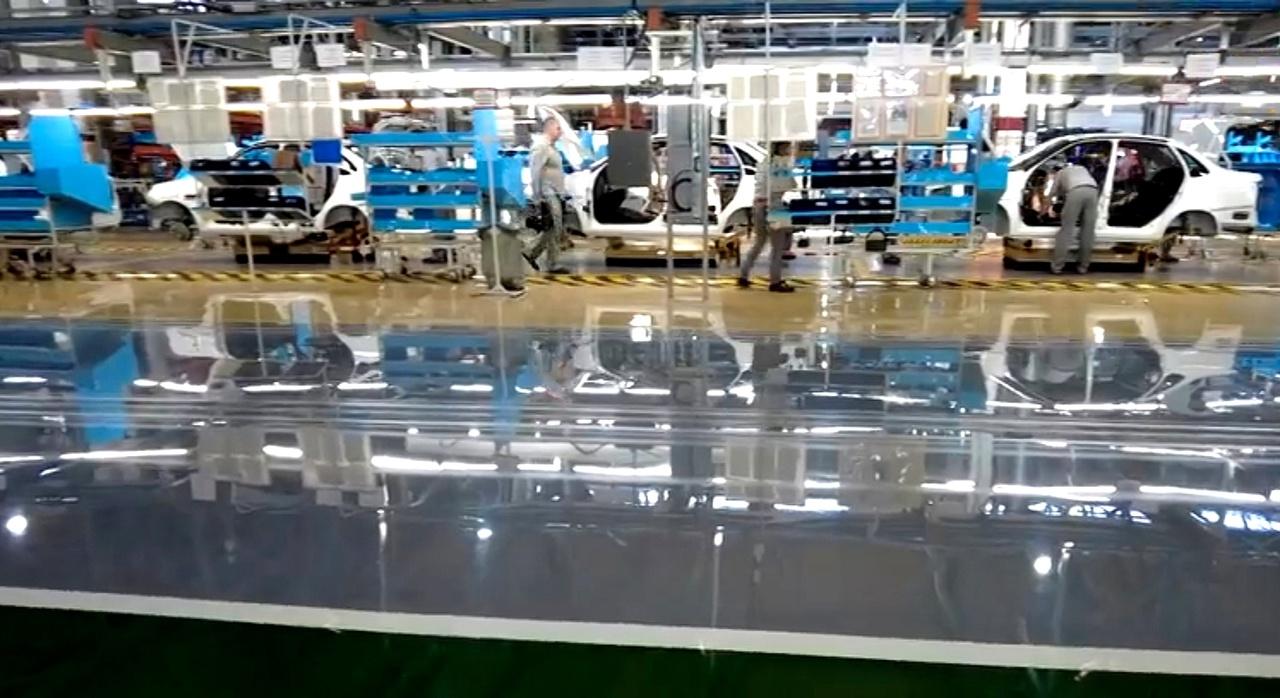
In addition, information has emerged about the production of Lada Iskra last week. From May 19 to 23, 16 sedans and station wagons rolled off the assembly line. The quantity is lower than expected, and the production rate has significantly decreased.
According to sources, the painting complex produced about 25 painted Lada Iskra bodies. About ten semi-assembled cars are in the storage area and will be completed next week. Despite the small volumes, the assembly of Lada Iskra is gradually increasing.
The start of sales of the new Lada Iskra model is scheduled for July 20, 2025. Dealers have already started receiving the first cars, but they are not intended for test drives, but for photo shoots and advertising materials.
Read more on the topic:
Lada Niva Legend is sold in Germany: cars are twice as expensive as in Russia
AvtoVAZ has improved the Lada Niva Legend in the Urban configuration
The interior and engine compartment of the Lada Iskra production model were shown in photos
Never miss our newsAdd this site to your preferred sources to see us more oftenAdd on Google

















