Translated with AI from the Russian original.
The State Commission for Radio Frequencies (SCRF) has rejected MTS's application for frequency allocation to test satellite Internet technology that could work directly with smartphones. The operator planned to explore the 1980-2010 MHz (Earth-to-space) and 2170-2200 MHz (space-to-Earth) bands in the Tomsk Region to test direct communication between a satellite and a mobile device, as well as between a base station and a satellite.
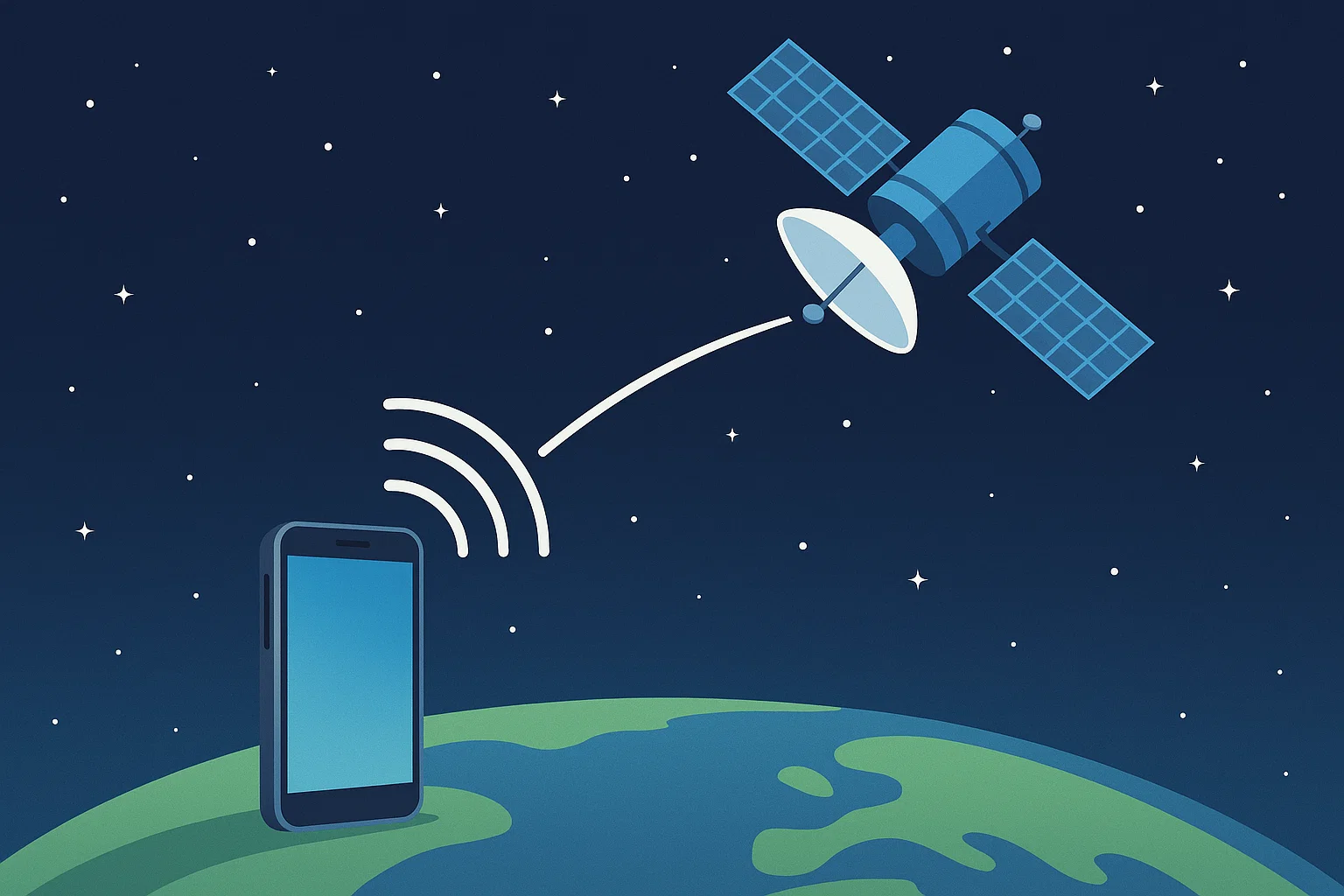
If these technologies are combined with existing communication standards, a hybrid network for mobile devices can be created. If terrestrial communication is unavailable, a smartphone or tablet can automatically switch to satellite communication.
Electromagnetic compatibility expertise has shown that the use of the requested frequencies may cause interference to the equipment of the Ministry of Defense and Roscosmos. The SCRF's refusal will slow down testing, but does not close the way to the development of hybrid networks in Russia. If MTS adjusts the request, experiments may resume. The success of such technologies would open access to the Internet in remote areas where traditional coverage is unreliable.
Read more on the topic:
"Space Weather News": flight tests of the Ionosphere-M satellites completed
Roscosmos and China will build a power plant on the moon: Putin and Xi Jinping signed a memorandum
Never miss our newsAdd this site to your preferred sources to see us more oftenAdd on Google

















