Despite the termination of cooperation with Renault in 2022, AvtoVAZ continues to use the historical codes of the French brand in communication with dealers.
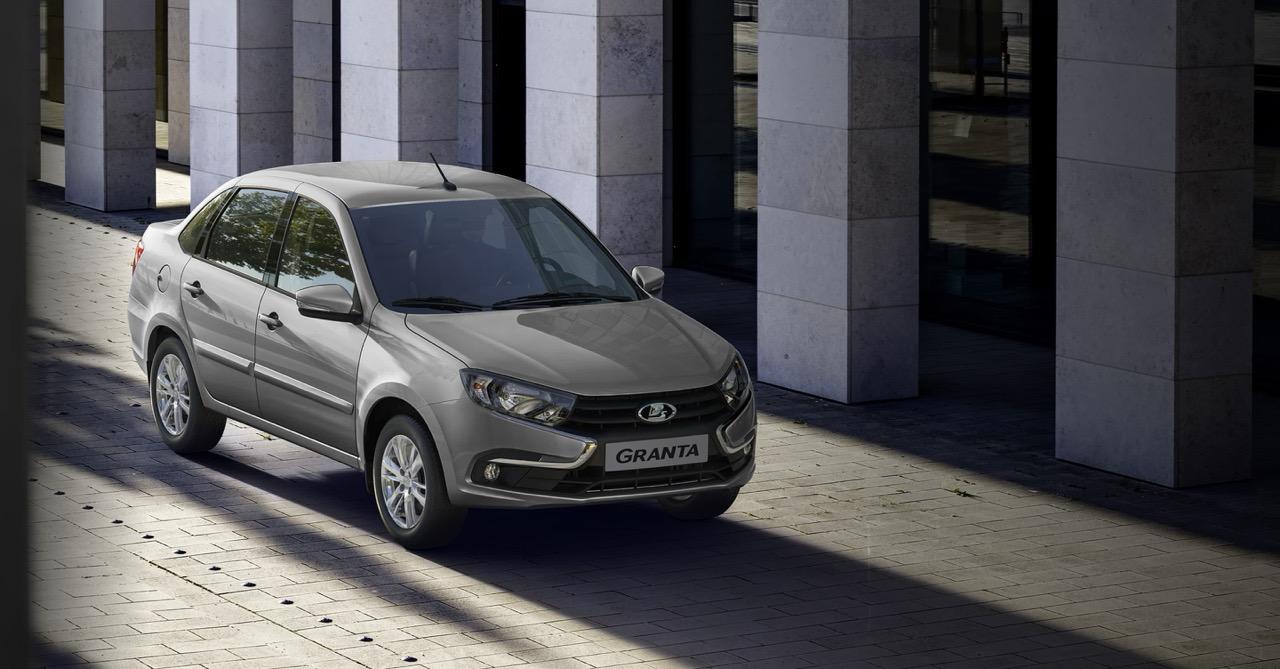
According to industry sources, the price lists for cars of the VIS-Avto line, produced on the Lada Granta platform, retain the model designations according to the Renault code standard.
The documents, published on May 14, 2025, present 11 modifications of commercial vehicles. Among them are flatbed versions, vans with isothermal and universal bodies with a volume of 3.2 to 3.9 m³, as well as specialized modifications with a reinforced floor frame and cargo fastening systems. All models comply with the Euro-5 environmental standard and are equipped with front-wheel drive.
Prices range from 1.416 to 1.852 million rubles. The most expensive version includes a Carrier refrigeration unit. A 5% discount from the recommended retail prices is provided for dealers.
The preservation of the Renault code format (for example, 234900-456-C2) may be due to continuity in accounting and logistics systems. Experts note that such solutions are often used to minimize errors when switching to new standards.
Read more materials:
AvtoVAZ asked Putin not to allow Renault to return to Russia
AvtoVAZ announced the conditions for Renault's return to Russia
AvtoVAZ: Renault will not be able to interfere with the export of Lada Iskra
Never miss our newsAdd this site to your preferred sources to see us more oftenAdd on Google

















