According to a survey conducted by HONOR in connection with the launch of the fake video recognition function in the new Magic 7 smartphones, 22.7% of Russians are ready to entrust an interview to artificial intelligence. At the same time, 81.5% of respondents are ready to entrust AI with stressful tasks, and 1.1% admitted to creating deepfakes.
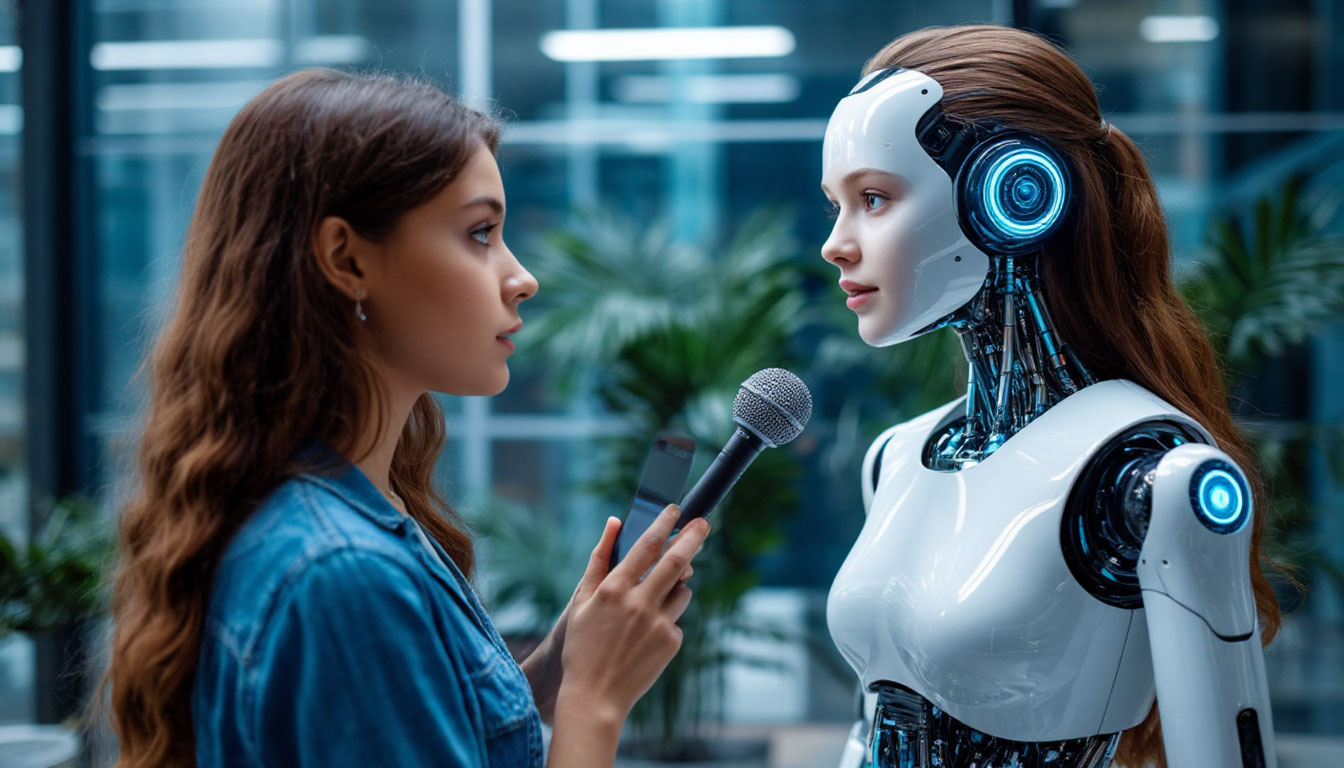
Deepfake is a technology that uses artificial intelligence to create fake videos or audio where people's faces or voices are replaced with others.
Due to the growing popularity of deepfakes, HONOR has introduced a technology for recognizing them in its new smartphones, which can determine whether a photo or video has been modified or generated using AI. This innovation could become an important tool for recruiters who face increasing risks of deception.
Daria Barkova from Unicorn Search notes that the use of such technologies undermines the reliability of hiring results, as the candidate can be completely replaced at the evaluation stage.
Standardized questions are losing their relevance, and the future lies in dynamic formats where live communication and reaction to non-standard situations are important.
Anna Osipova from hh.ru confirms that cases of using deepfakes in online interviews are still rare, but they already occur. She believes that with the development of technology, these risks may increase, and companies should think about countermeasures.
It is necessary to strengthen the initial selection and verification by the security service, as well as pay attention to the quality of the video and manner of speech during online interviews.
Experts believe that in the future, companies will have to change their methods of personnel selection, introducing new ways to verify identity and video authenticity. This may lead to significant changes in the hiring process, where technology will play an increasingly important role.
Read more materials on the topic:
Neural network against labor discrimination: how to change your profession with AI
Russians are not afraid of the threat of AI to their careers
Every second Russian uses neural networks: how artificial intelligence is changing everyday life
Never miss our newsAdd this site to your preferred sources to see us more oftenAdd on Google