Translated with AI from the Russian original.
Schoolchildren in the village of Chapaevo, Khangalassky ulus of Yakutia, successfully launched a stratospheric probe with a CanSat satellite on board. It was created by schoolchildren as part of the "Cosmomania" project shift. The probe's flight altitude was 31 km 500 m, and the calculated altitude for future launches is set at 30 km.
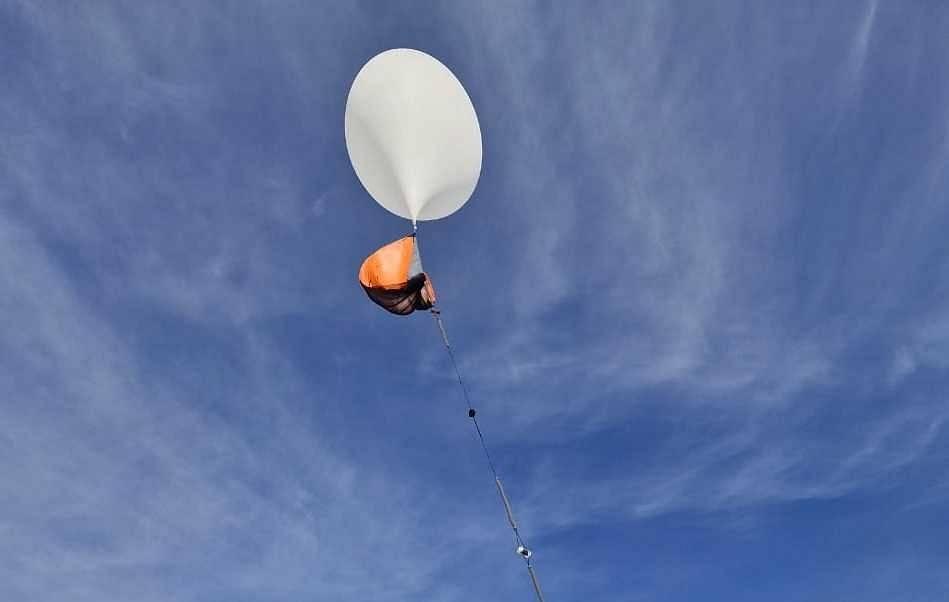
The satellite is equipped with a camera, a Geiger counter, infrared sensors, and equipment for spectral analysis. The equipment will collect data for future space projects. The launch of the probe is a preparation for the launch of the first small spacecraft "Cholbon", scheduled for July 31, 2025.
The project is implemented with the support of teachers from the Junior Academy of Sciences (JAS) and specialists from the Siberian State University named after Reshetnev. This year, 48 schoolchildren from eight districts of the republic are participating in it.
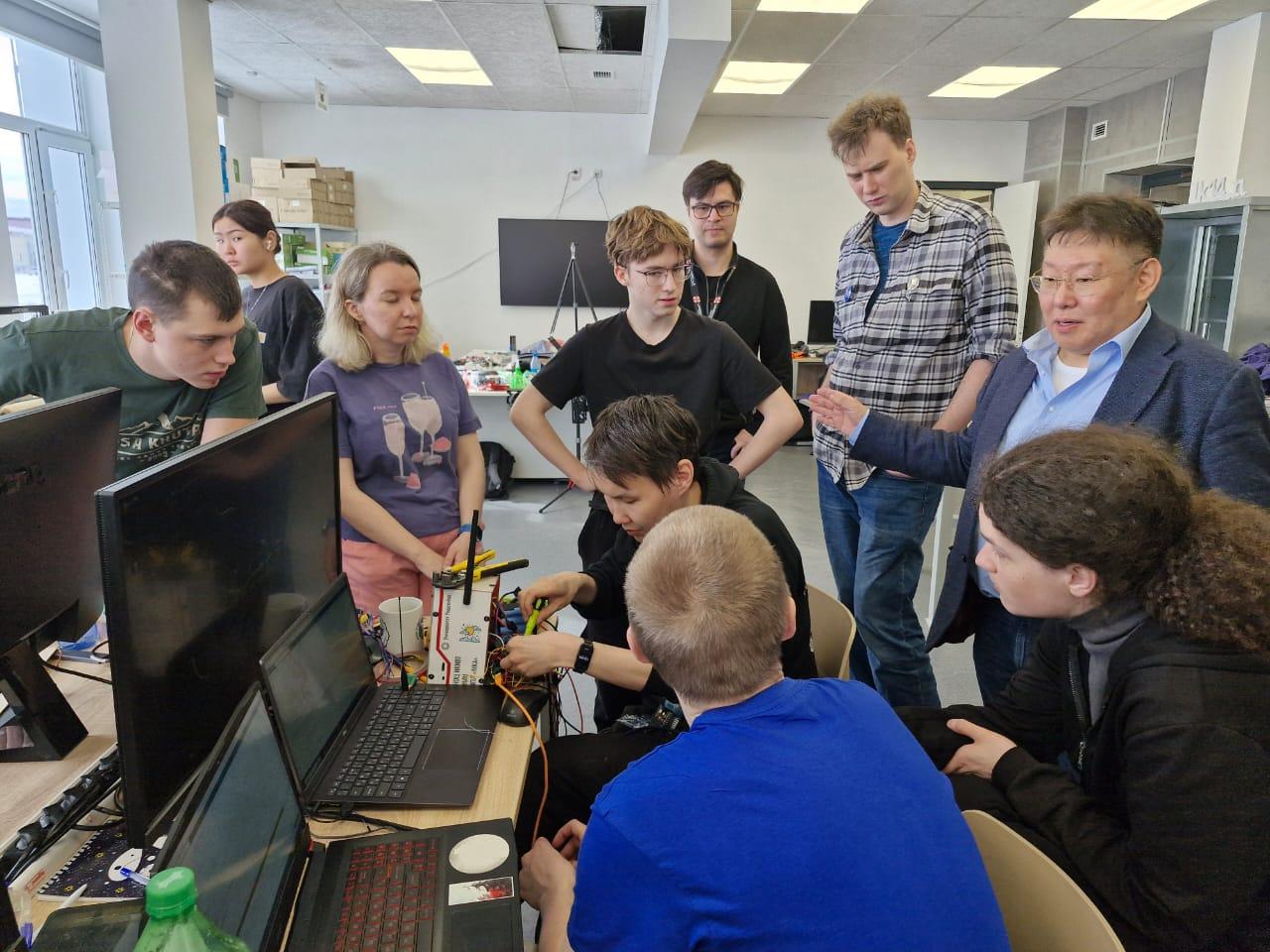
The Rector of the Junior Academy of Sciences (JAS) of the Republic of Sakha, Vasily Pavlov, noted that this is the second successful launch within the framework of the program, which is being held for the fourth time. The launch manager, Denis Efremov, has more than 20 years of experience in aerospace projects.
Read more on the topic:
More than a million schoolchildren in Russia will be taught how to develop and assemble drones
Four schoolchildren shared first place in the AI Olympiad in Russia
Schoolchildren won gold in the AI Olympiad
Never miss our newsAdd this site to your preferred sources to see us more oftenAdd on Google

















