Workers of the Krasnoye Sormovo plant (part of the United Shipbuilding Corporation, USC) are equipping the cabins of the passenger cruise ship Nikolai Zharkov of project 00840 Karelia. This was reported by the USC press service.
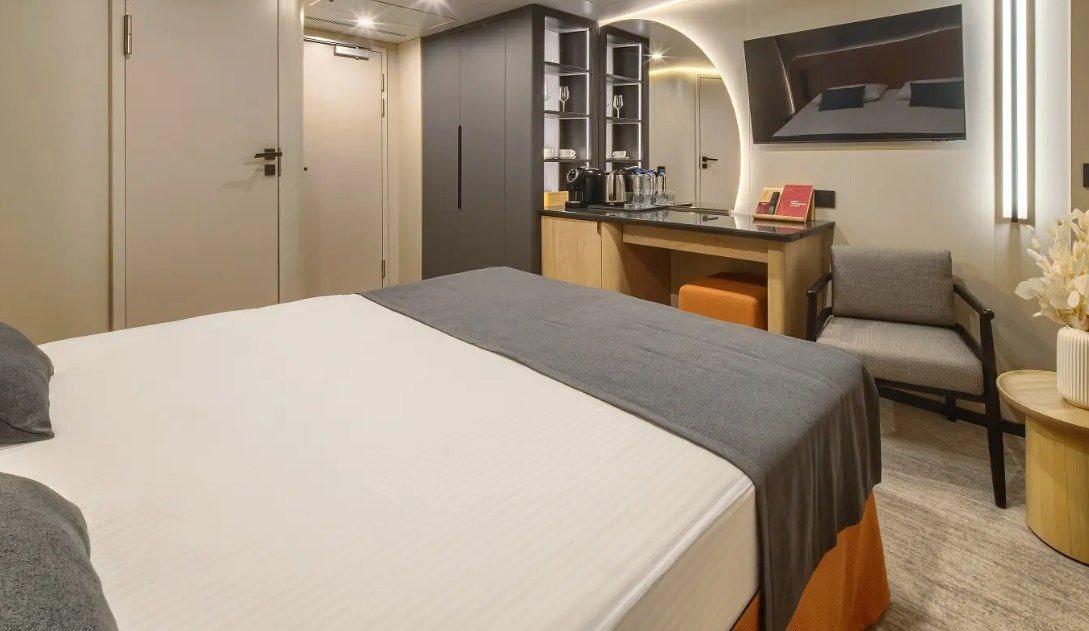
Currently, the premises on the middle deck are being equipped, and you can evaluate the finished interior of the cabin in the Deluxe with Balcony category. All cabins on the middle, boat and sun decks have balconies: out of 88 cabins on board, 60 will have a balcony.
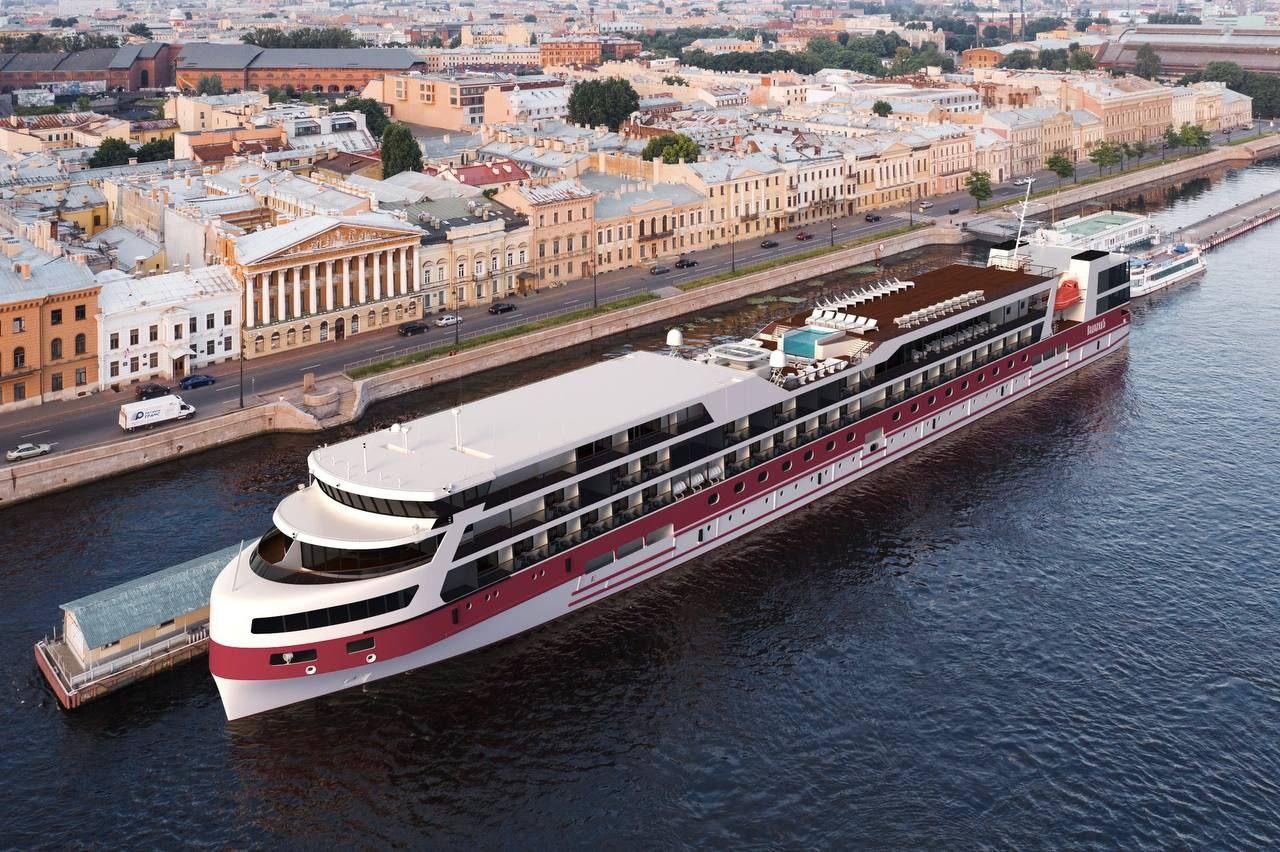
The four-deck ship Nikolai Zharkov is the lead vessel of project 00840 Karelia. The Krasnoye Sormovo plant is building 3 ships of this series, the customer is Vodohod. The first vessel (Nikolai Zharkov) was laid down in April 2023, the second (Mikhail Zhvanetsky) in May 2023, and the third (Rasul Gamzatov) in June 2023.
Cruise ships can sail on rivers and seas. They will be operated in the Caspian, Azov, Black and White Seas, as well as in the Gulf of Finland.
Dimensions of the vessel of project 00840 Karelia: length - 131 meters, width - 13.8 meters; draft - 2.9 meters. Passenger capacity - 183 people.
Read more on the topic:
The Krasnaya Kuznitsa plant will receive a new floating dock
The new ship Nikolai Zharkov will be launched in 2025
Never miss our newsAdd this site to your preferred sources to see us more oftenAdd on Google