The deterioration of the domestic scientific fleet threatens Russia with the loss of leadership in Arctic research. This was stated by Russian Presidential Aide Nikolai Patrushev at a meeting of the Scientific and Expert Council of the Marine Board.
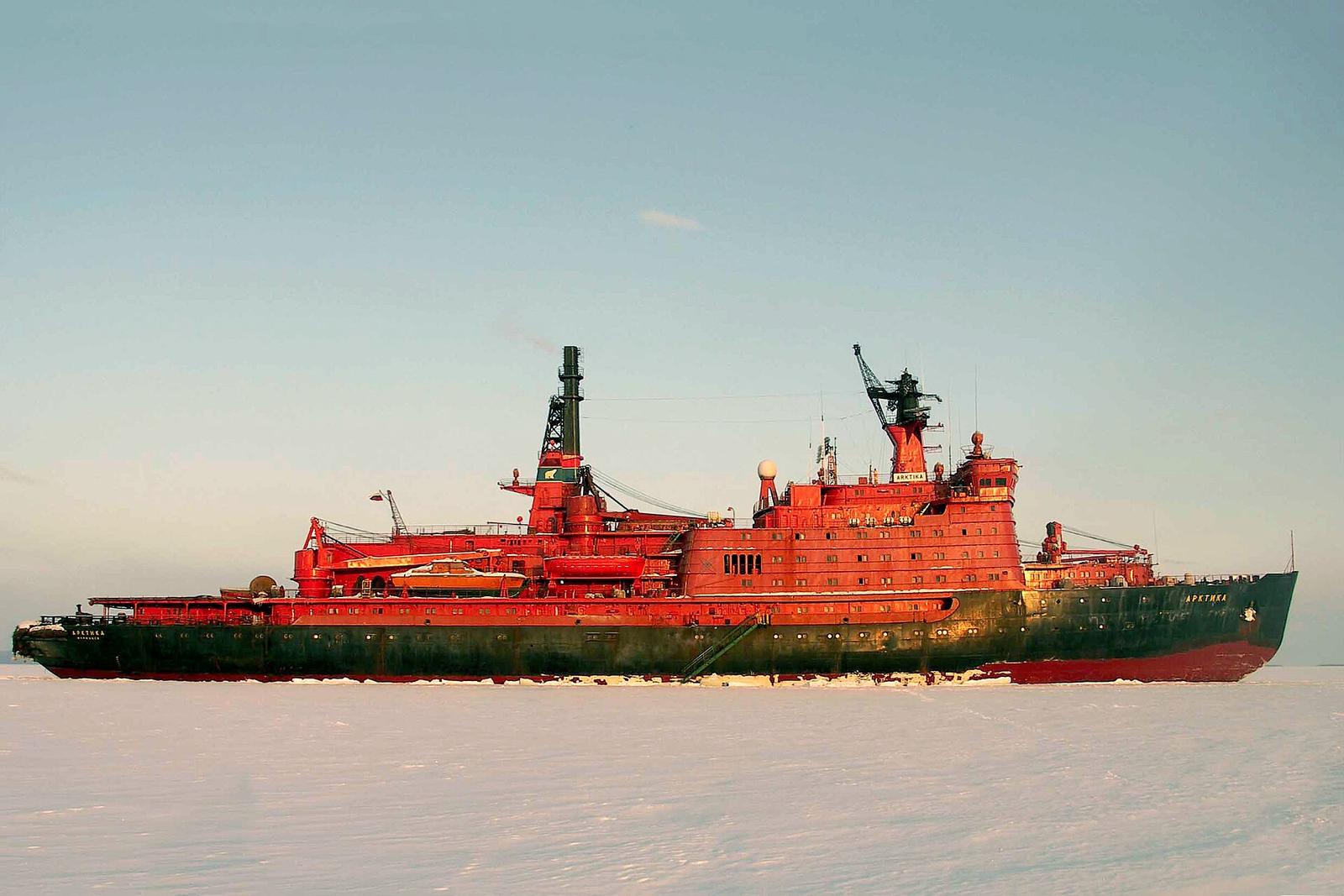
He recalled that Russia has been a leader in Arctic scientific research for many decades, including in such areas as oceanography, marine biology, land hydrology, permafrost research, hydrography, and Arctic materials science.
At the same time, insufficient attention and underfunding of the development of the scientific fleet have led to a number of problems, Patrushev stressed.
Over the past 30 years, the fleet has become obsolete and has shrunk to a critical minimum. Vessels are more than 80% worn out. The average age of research vessels is about 34 years. Their operation is much more expensive than modern foreign counterparts.
Patrushev noted that such a discrepancy between the composition and condition of the Russian research fleet and the current scale and requirements of the tasks facing our country in the field of marine scientific research threatens the loss of Russia's leadership in the field of Arctic research.
Earlier www1.ru reported that Vysokotochka Transferred a New Batch of Pantsir-S SAM Systems to the Ministry of Defense
Read also:
Aviation will reach a new level: Rostec's development will allow processing titanium
Rostec's most powerful turbine GTD-110M reached its maximum power
Mighty Burevestnik: Russia helped India build the second frigate of Project 11356
Never miss our newsAdd this site to your preferred sources to see us more oftenAdd on Google

















