Lancet loitering munitions have destroyed more than 200 pieces of equipment since the beginning of 2025. This was reported by the manufacturer Zala Aero.
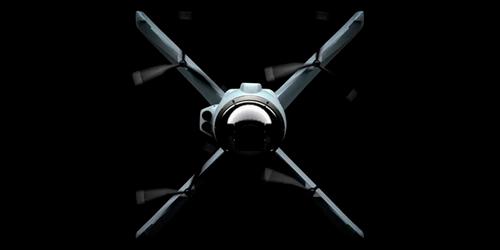
"Lancets" play a key role in creating a unified reconnaissance and strike circuit. These technologies allow for a quick response to changes on the battlefield, thanks to the constant interaction of developers with military personnel, the press service noted.
Designers regularly make improvements to control and communication systems, which increases the efficiency of the complexes. This is especially important in a dynamically changing environment.
In just the first two months, Lancet loitering munitions eliminated about 200 units of military equipment, including M777 and AHS Krab howitzers, Abrams and Leopard 2A4 tanks. The main targets for Lancets are towed artillery, self-propelled guns and armored vehicles.
Thanks to thermal imagers, Lancets work effectively at night and are able to detect disguised objects.
Earlierwww1.ru reported that the unique self-propelled gun "Lotus" directs the gun at the target in a matter of seconds.
Read also:
Cheaper than market options: a unique electronic warfare system was developed in Tuva
Never miss our newsAdd this site to your preferred sources to see us more oftenAdd on Google