Russian Geran-3 kamikaze drones, which are considered in the West to be a rebranding of the Iranian Shahed-238 strike drone, are produced in three modifications, according to Bulgarian Military.
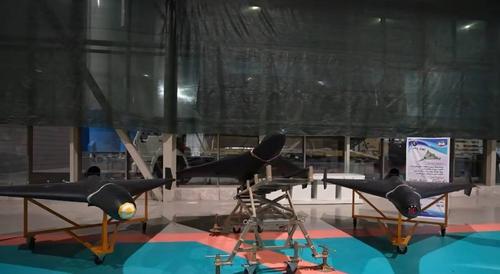
The first modification of the UAV is equipped with an inertial navigation system based on GPS and GLONASS for hitting stationary targets. The second received an electro-optical/infrared camera, which is used to guide the drone to the target. The third has an integrated radar detection system.
The third modification can detect, track, and attack radar installations or other sources of electromagnetic signals of the enemy.
The developers increased the speed of the drone at the expense of range. The thermal signature (infrared energy emitted by an object) of the Geran-3 is higher compared to its predecessors.
In addition, the strike drones received new Russian-made antennas. The Gerans can record videos and transmit them via a Telegram bot.
Read more on the topic:
Geran-3 kamikaze drones began to be produced in Russia: comparable in power to a cruise missile
Geran-2 kamikaze drone has become twice as powerful: comparison of the new and old warheads
Kasatka retranslation drones developed in Russia: pretending to be Gerans for air defense systems
Unique footage of the launch of the Geran-2 drone from a ground catapult has appeared
Never miss our newsAdd this site to your preferred sources to see us more oftenAdd on Google