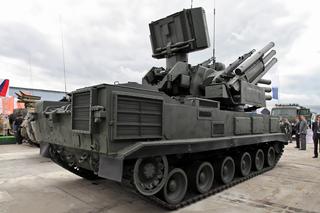
Russian military forces have begun using the latest quasi-ballistic missile for the Iskander-M operational-tactical missile system (OTRK). The ammunition has been named 9M723-F3.

Thanks to its high kinetic energy, the missiles are capable of literally "piercing" even highly protected underground bunkers clean through.
At a speed of about 950-1150 m/s, the warhead of the missile can penetrate dozens of meters into soft ground. When it hits a building, the missile can penetrate concrete floor slabs and explode inside the protected room.
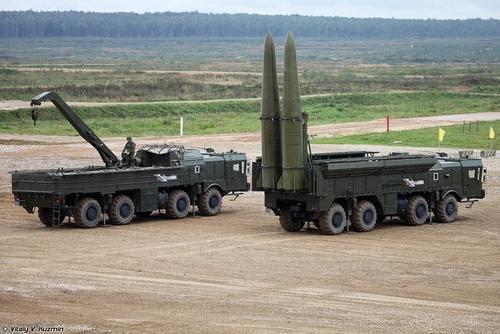
Iskander-M is used to destroy enemy air defense systems, as well as other critical facilities at a maximum range of up to 500 km.
Earlier,www1.rureported thatelusive Geran-2 kamikaze drones have been equipped with a high-yield warhead
Read more materials:
Russian Lancet Turns American M1097 Avenger into Scrap Metal: Footage Emerges
Element of the Mosquito Fleet: Production of Naval BECs Significantly Increased in Russia
Baltic Fleet Ships Repel Simulated Attack by Supersonic Su-27 Fighters
Never miss our newsAdd this site to your preferred sources to see us more oftenAdd on Google