Translated with AI from the Russian original.
At Perm National Research Polytechnic University (PNRPU), a method has been developed for producing ceramic bricks from woodworking waste. This was reported in the press service of the university.
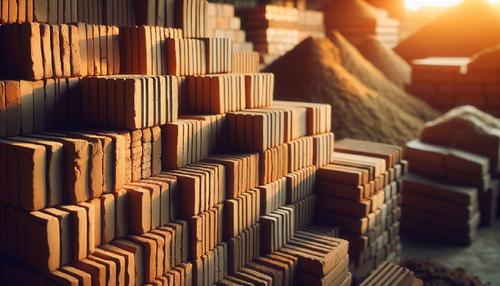
Scientists have studied how technogenic burnout additives from industrial waste affect the properties of clay raw materials. Specifically, they considered hydrolytic lignin, which is formed during the processing of coniferous and deciduous wood, and scope, obtained as a result of wastewater treatment in the production of paper and cardboard.
Scientists evaluated the plasticity, density, shrinkage, and molding properties of preliminary compositions for the production of building materials.
We found that the addition of technogenic components - more than 25% - has a significant negative impact on the plasticity and molding properties of clay. The optimal content of hydrolytic lignin was 11-12% of the mass of clay raw materials and at a firing temperature in the range from 980 to 1,040 degrees, and scope - 13-14% in the range from 1,000 to 1,020 degrees.
The new solution allows the use of woodworking waste to improve the properties of ceramic building materials. The method also increases the scope of their reuse.
Earlierwww1.rureported that in Moscow theycreated expensive anhydrite from waste.
Read materials on the topic:
In St. Petersburg, a heat-insulating material was created from waste - foam glass
In Mordovia, a super-strong polymer was created from multi-layer packaging waste
In Novosibirsk, a building material based on recycled polymer waste was developed
Never miss our newsAdd this site to your preferred sources to see us more oftenAdd on Google

















