The first objective control footage of the use of the newest Russian Kub-2 strike drone with an optical guidance system has appeared online.
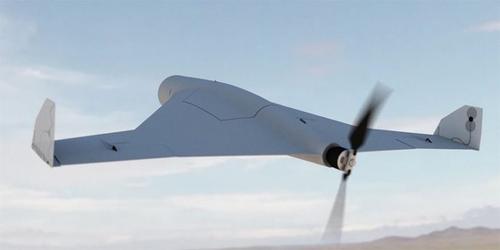
The Kub modification was developed several months ago, but then the system could only work with specified coordinates, which limited accuracy and increased the chance of a miss.
Russian engineers have developed an optical guidance system for the drone, which has shown much higher accuracy. The operation of Kub-2 in tandem with the Granat-4 reconnaissance UAV guarantees almost the same probability of hitting a target as in cases where the ZALA UAV works with the Lancet loitering munition.
The optoelectronic modules of Kub-2 can have CCD/CMOS sensors of the television channel and MWIR/FLIR sensors of the thermal imaging channel.
The exact tactical and technical characteristics of the Kub-2 drone are currently unknown.
Earlier, www1.ru reported that the Bastion and Bal coastal defense missile systems during the exercises destroyed the ships of a mock enemy in the Baltic Sea.
Read related materials:
Russian snipers hit targets through the walls of buildings with fire from standard rifles
Never miss our newsAdd this site to your preferred sources to see us more oftenAdd on Google

















