Moscow is launching a pilot project to introduce new methods of migration control - a digital ID-passport for migrants. This was announced by the Mayor of Moscow, Sergei Sobyanin.
The passport will contain information about the time of crossing the border, employment, passing exams, and other important aspects. This approach will simplify the work of law enforcement agencies.
It will be much easier for law enforcement agencies to figure out what kind of person is in front of them, not just drag him somewhere to a "drunk tank", but simply determine on the spot: if he is a law-abiding citizen, let him work; if he is a violator, then he must be detained and dealt with. It is impossible to restore order manually, we are talking about hundreds of thousands of people who come, leave, and so on.
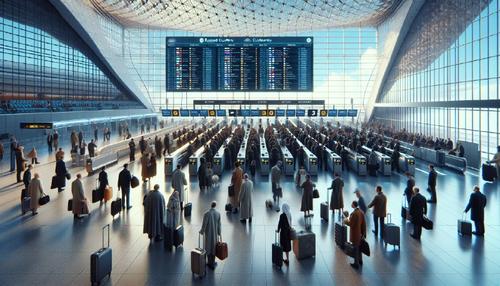
In addition, biometric control has been introduced in the capital. All arrivals must submit fingerprints and be photographed at airports and other transport hubs. This data will be entered into an operational database, which will allow tracking the movement of migrants and identifying possible violations - lack of registration at the place of residence or late departure.
Earlier www1.ru reported that migrants are wanted to beobliged to pass a practical driving test to work in a taxi.
Read materials on the topic:
Will migrants be banned from buying weapons in Russia?
The traffic police began issuing new licenses to drivers
The Ministry of Transport of Russia will tighten the requirements for parking electric vehicles
Never miss our newsAdd this site to your preferred sources to see us more oftenAdd on Google

















