The Russian Aerospace Forces are armed with the modernized Tu-160M missile carrier. It received NK-32-02 engines, avionics, and updated onboard radio-electronic equipment, including the Novella NV1.70 multi-mode and jam-resistant onboard radar from Zaslon JSC, the Himalayas multi-band electronic warfare complex, the Redut-70M onboard defense complex, and the NO-70M navigation system.
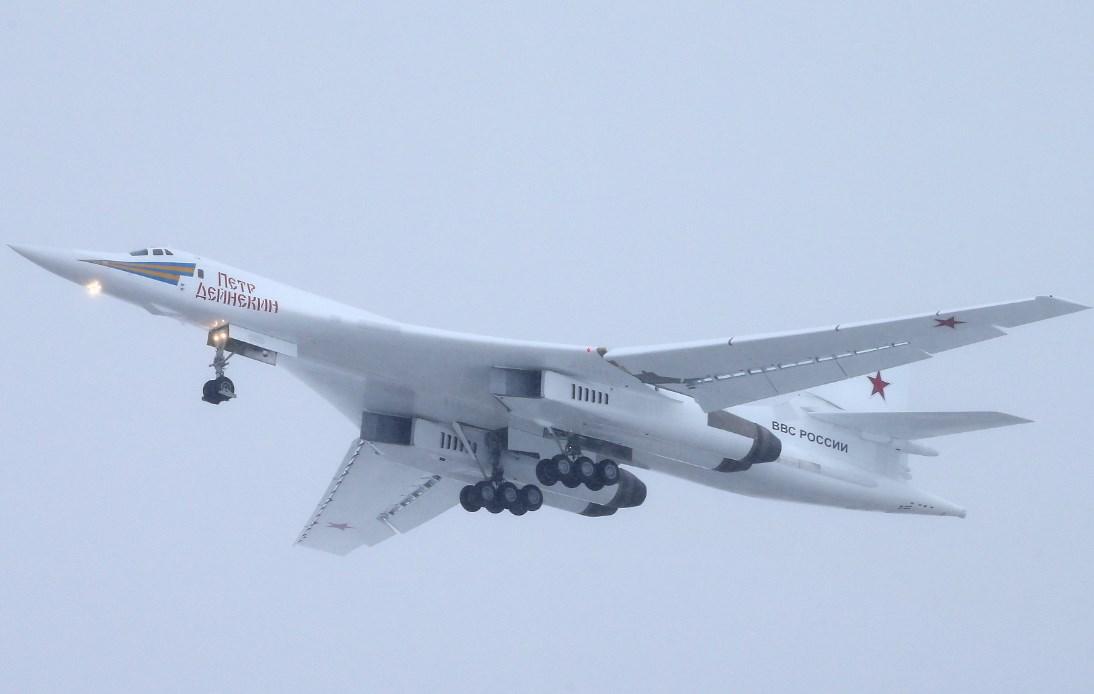
The aircraft is equipped with the S-505-70 secure communication system, the ABSU-200MT autopilot, the BINS-SP-1 strapdown inertial navigation system, the ANS-2009M astro-navigation system, and the A737DP radio navigation receiver.
New engines provide an increase in the maximum flight speed of the aircraft at altitudes of 10,500-12,500 m from 2,200 to 2,400 km/h. The new BINS-SP-1 with the ANS-2009M astro-navigation system provides minimal route deviations even under active radio countermeasures from the enemy in radio navigation ranges, from 1200 to 1700 MHz.
The main range of weapons remains the same: promising long-range cruise missiles Kh-50 and strategic cruise missiles Kh-101/102.
Earlier, www1.ru reported that Russia's strategic forces will be equipped with 95% modern weapons.
Read related materials:
Unique footage of the night work of the Acacia self-propelled gun: the hammer of the Russian army
The Russian drone with the Gorynych 2.0 flamethrower is eager to fight: they found a way to deal with Starlink
The newest Titan rifle was developed for the Russian special forces: you have not seen such accuracy yet
Never miss our newsAdd this site to your preferred sources to see us more oftenAdd on Google

















