Translated with AI from the Russian original.
The "Ruselectronics" holding (part of the Rostec State Corporation) has begun supplying protected cables for mobile communications for special and civilian purposes. This was reported in the press service of the holding.
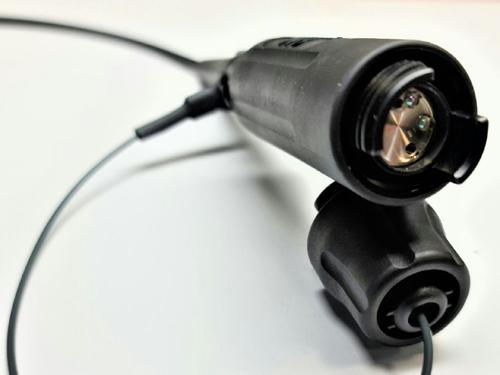
The products are not afraid of heavy pollution and impacts, can withstand immersion in water up to 7 meters deep and exposure to electromagnetic radiation. The new cables remain operational even after repeated mechanical shocks with acceleration up to 20g and can withstand temperatures from -60 to 75 degrees Celsius.
The key difference of the new product is the ceramic tips of the optical connectors, which provide positioning of optical fibers using a lens system. This technology provides a high-quality signal even in conditions of heavy contamination of the connection joints.
The development is planned to be used in defense, oil and gas and mining infrastructure.
Earlierwww1.ru reported that "Ruselectronics"will develop a supercomputer for scientists.
Read materials on the topic:
Ruselectronics presented a miniature technical vision camera
"Ruselectronics" will show an advanced mobile environmental monitoring laboratory at the Army-2023 forum in Moscow
Ruselectronics has begun testing miniature cameras for machine vision systems
Never miss our newsAdd this site to your preferred sources to see us more oftenAdd on Google

















