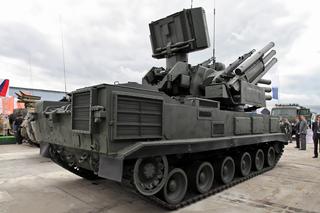
Russian soldiers struck a scarce RPS-80/81 counter-battery radar complex (radar) developed by the Israeli company RADA Electronic Industries with a low-visibility Lancet-3 kamikaze drone (produced by the Kalashnikov concern), military expert Yevgeny Damantsev writes.
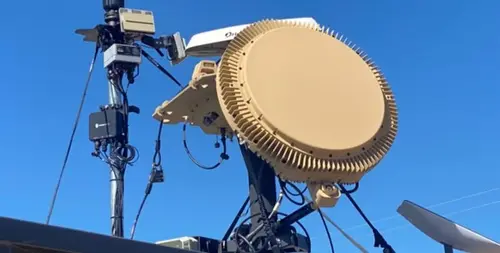
According to Damantsev, the radar based on a 4-sided active phased array antenna (APAR) with a web diameter of 790 mm and gallium nitride microwave transistors is capable of detecting 120-mm mines at a distance of up to 14 km, and 155-mm artillery shells up to 20 km. In addition, the radar complex determines the location of firing positions along the ascending branches of trajectories.
According to the expert, the RPS-81 radar was able to detect the approaching Lancet-3 at a distance of 10-7 km, but the enemy did not have the means to intercept the Russian drone.
This made it possible to deprive the enemy of an important link in the counter-battery tandem.
Read more on the topic:
Bearing Death: a new feature made the Lancet kamikaze drone even more dangerous for the enemy
It became known how ZALA Aero is improving Lancet strike drones
Never miss our newsAdd this site to your preferred sources to see us more oftenAdd on Google