Translated with AI from the Russian original.
Russian military personnel at the forefront have begun to use low-observable tactical aviation missiles Kh-59MK2. They are designed to destroy stationary ground targets with known location coordinates, including those that do not have radar, infrared, and optical contrast in relation to the surrounding background.
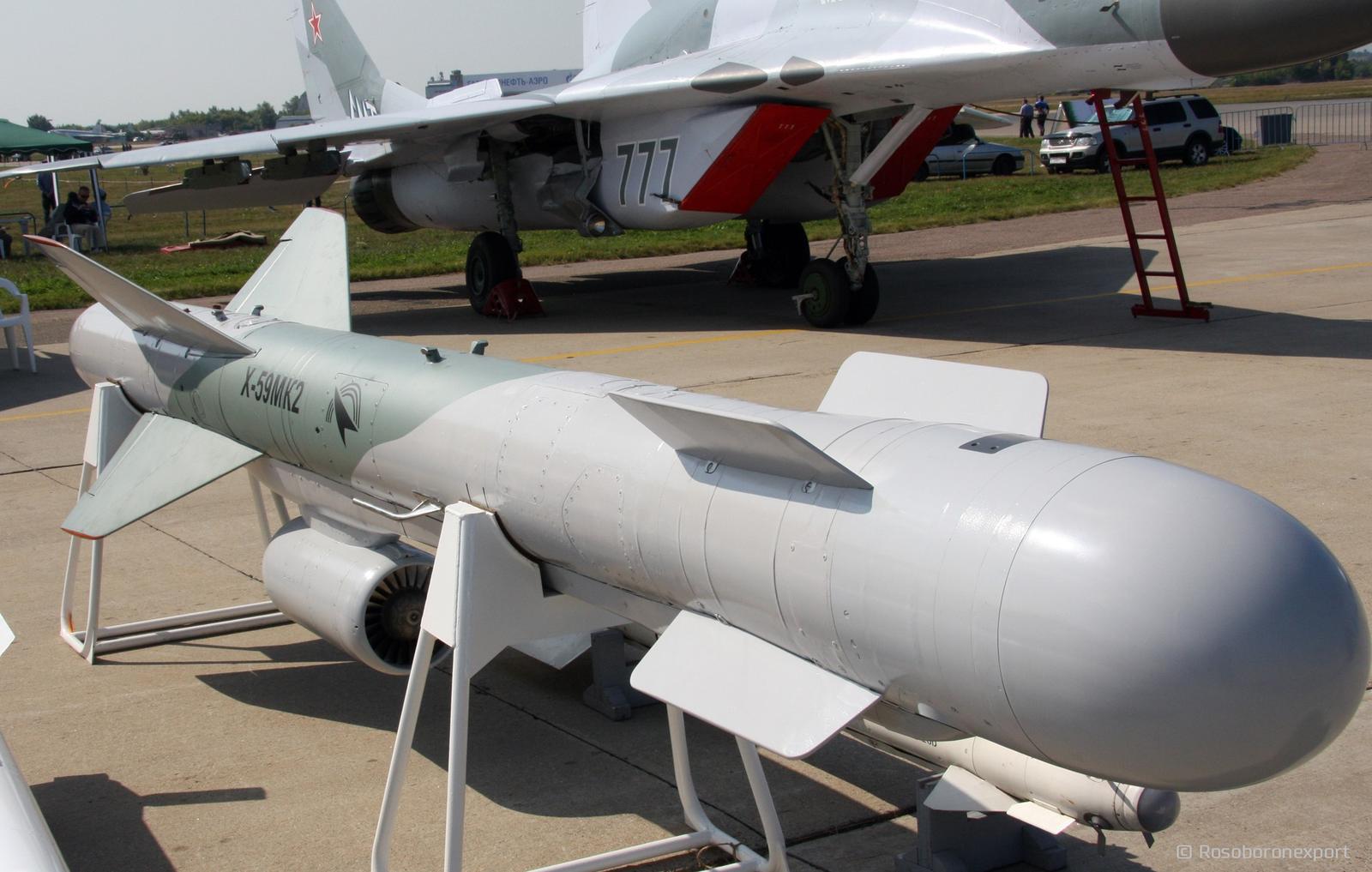
The Kh-59MK2 missile features a square fuselage cross-section and the widespread use of radar-absorbing materials in the design, which reduces the effective radar cross-section of the missile airframe to 0.05 - 0.03 m². The small size and low flight speed allow it to fly low above the ground and remain unnoticed by the enemy.
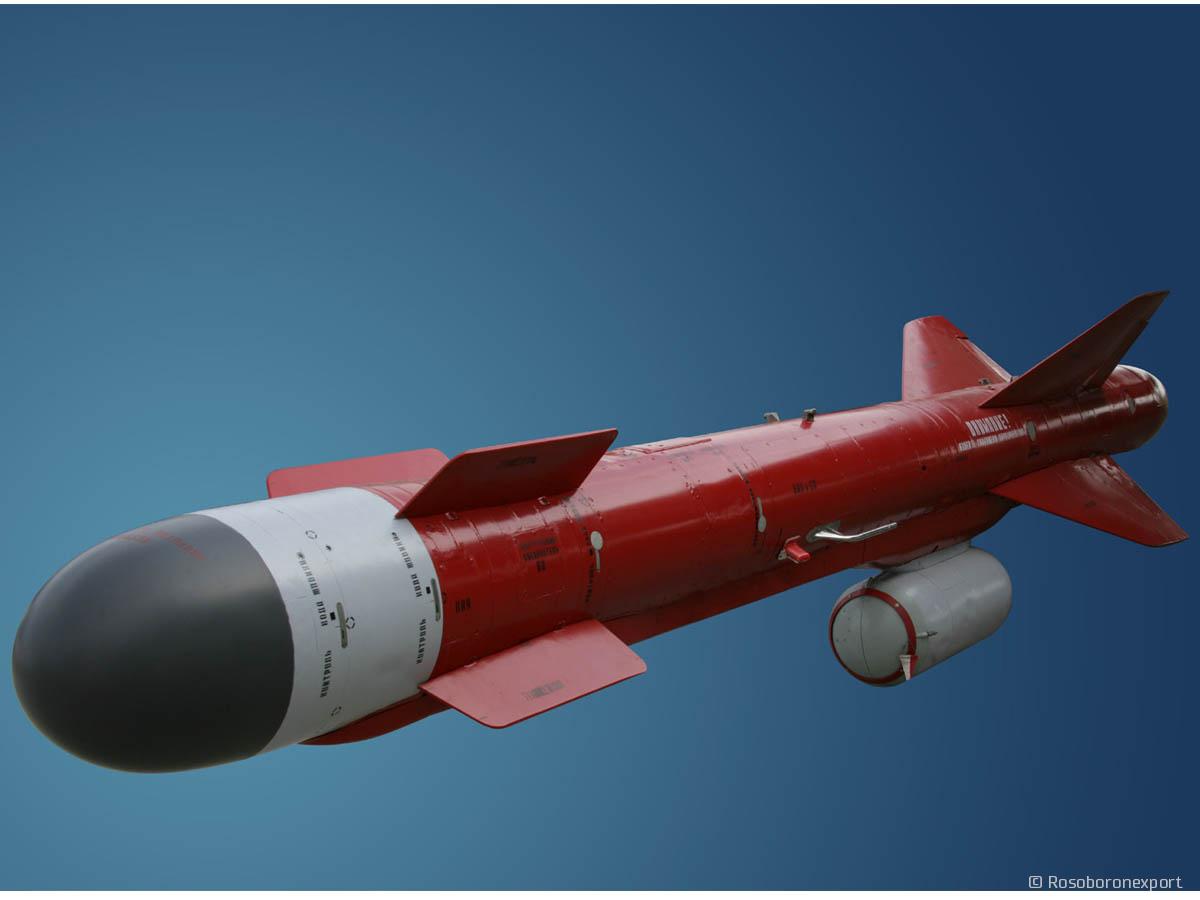
The weight of the missile's warhead is just over 300 kg, which provides the necessary reserve for hitting enemy targets. If a multi-role fighter carries a pair of such missiles, then we already have 600 kg.
The Kh-59MK2 guidance system is represented by an inertial-navigation unit based on gyroscopes of transverse accelerations and accelerometers of longitudinal accelerations, a GLONASS-/GPS-correction module, as well as a radar altimeter and an optoelectronic correlation sensor of the "Otblesk" systems to maintain the route in a complex jamming environment under the influence of L-band electronic countermeasures on the GLONASS/GPS-correction radio navigation module.
Structurally and programmatically, the Kh-59MK2 is adapted for use from the internal armament bays as part of the control systems of 5th generation Su-57 fighters.
Tactical and technical characteristics of the Kh-59MK2:
- Launch weight - up to 900 kg
- Warhead weight - 320 kg (penetrating) / 283 kg (cluster)
- Maximum missile range - 285 km
- Missile speed - 900-1050 km/h
Earlier www1.ru reported that the Russian Armed Forces turned the RBU-6000 naval rocket launcher into a ground-based weapon. The ground installation uses recycled 212-mm RGB-60 rockets for firing.
Read the materials on the topic:
A tool against ATACMS, Storm Shadow and HIMARS: what is unique about the newest Russian S-350 Vityaz air defense system
Abrams Hunter: American tank could not withstand the high-precision Russian Krasnopol-M2 projectile
Guaranteed destruction of equipment and manpower: what the Russian RBK-500 bomb with UMPC is capable of
Never miss our newsAdd this site to your preferred sources to see us more oftenAdd on Google

















