Translated with AI from the Russian original.
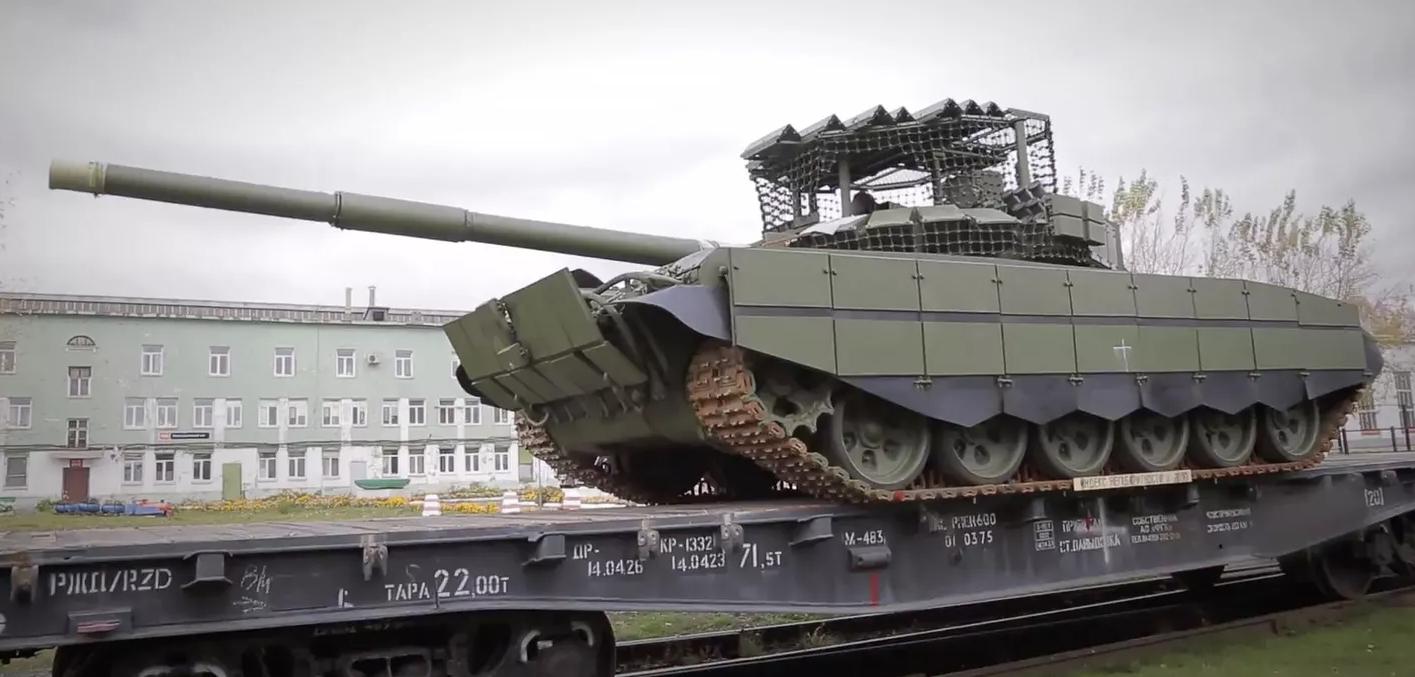
Anti-drone and anti-fragmentation protection on the Russian T-72B tank protected soldiers from a PG-7VS rocket-propelled anti-tank grenade attached to an FPV drone. This was reported by the Telegram channel RussianArms.
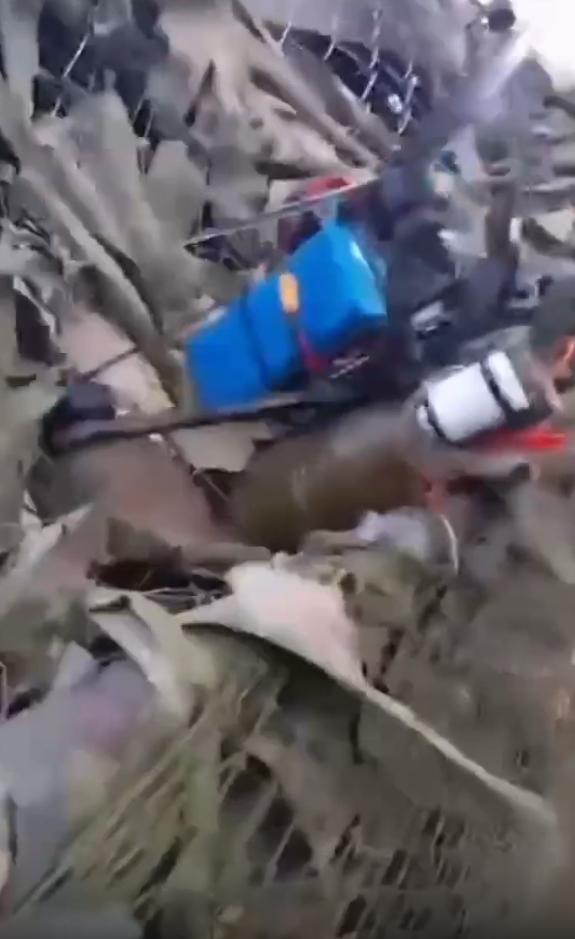
The strike drone with the projectile crashed into the anti-cumulative visor, but did not detonate. The tankers carefully removed the copter with a monoblock cumulative warhead from the deformed rods of the lattice anti-cumulative visor to prevent activation of the contact fuse of the ammunition.
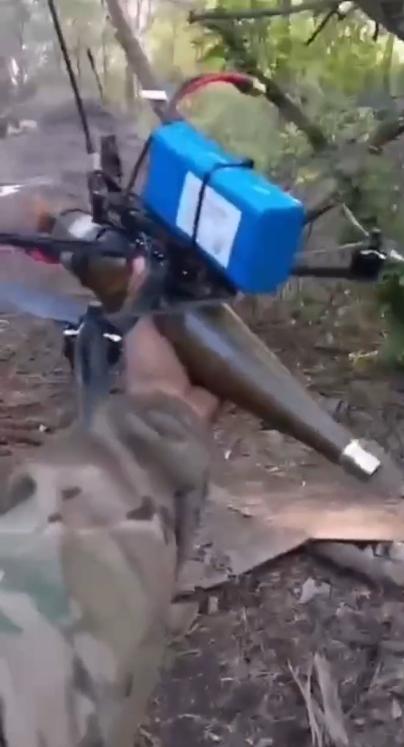
The penetration of the cumulative warhead of the PG-7VS grenade is 400 mm. In the absence of an anti-cumulative screen, damage to the turret or side projection of the hull with a probability of 85% would lead to the penetration of the cumulative jet into the armored space.
The military jokinglycalled the serial standardized anti-drone canopy over the turret a "mangal", which the tankers previously made themselves from improvised materials. The design well protects vehicles and crews from kamikaze drones and ammunition dropped from drones.
Earlier www1.ru reported that Russian Armed Forces soldiers on the front lineinvented a device for remote firing from machine guns. Thanks to it, you can fire at the enemy while remaining under cover.
Read materials on the topic:
"Mangal" made of titanium for UAZ: "Kalashnikov" protected the SUV from FPV drones
A unique mangal for a million rubles: a T-14 "Armata" tank is being sold in Moscow
Russian military turned a damaged T-72 into a "Tsar Mangal"
Never miss our newsAdd this site to your preferred sources to see us more oftenAdd on Google

















