Scientists from the Russian company Smart Engines and the Federal Research Center "Informatics and Management" (FRC IU RAS) have taught artificial intelligence (AI) to read information from fragile scrolls and books with the click of a button. This was reported in the press service of Smart Engines.
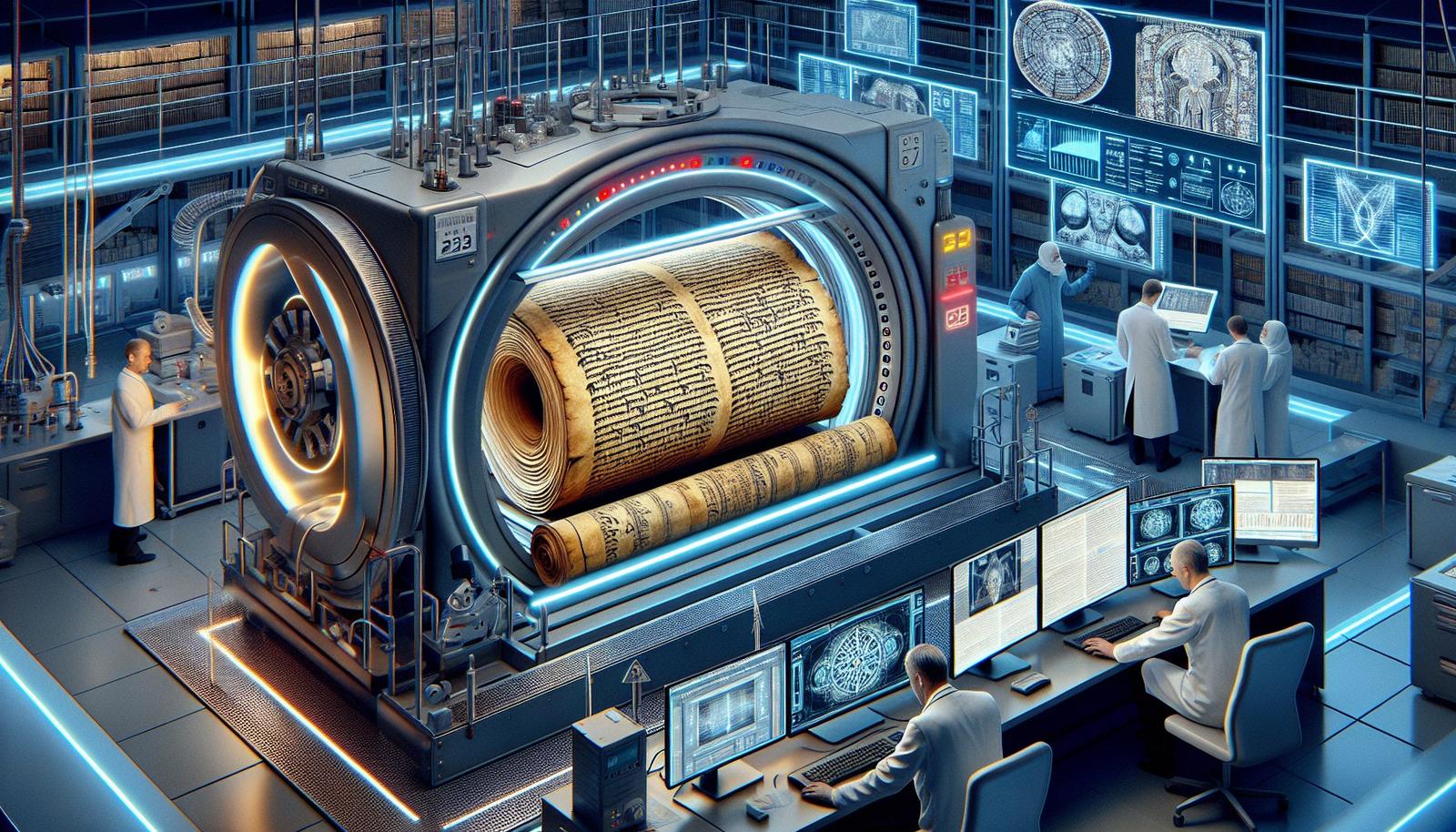
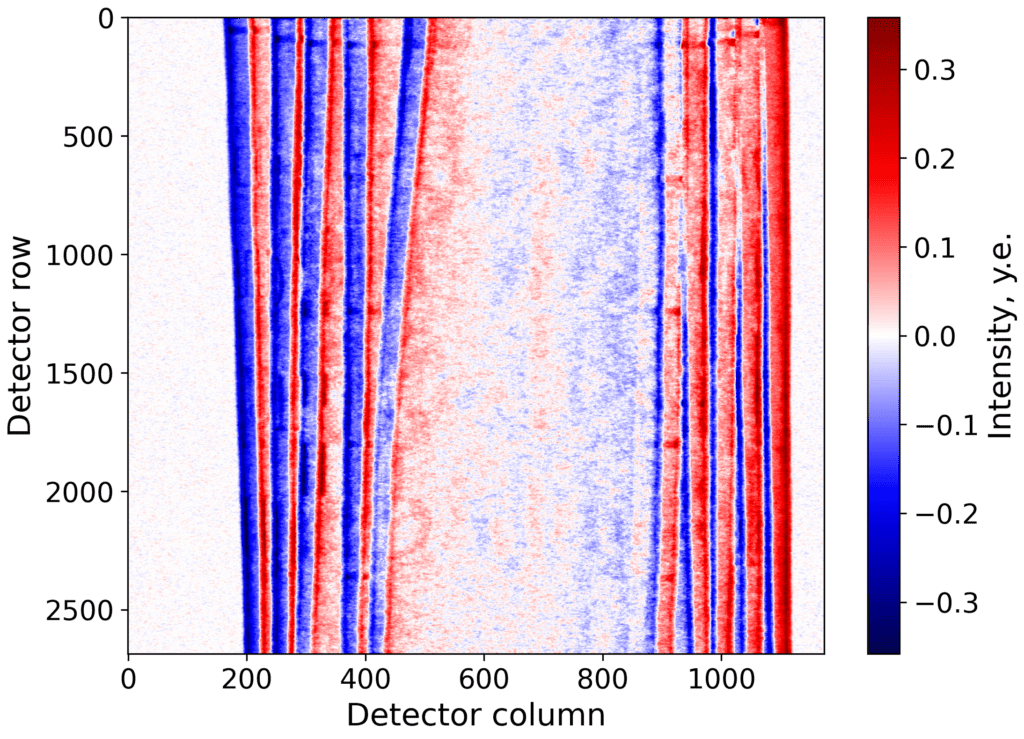
The developed technology is based on X-ray tomography and machine vision algorithms. The selected document is placed in a tomograph, then a digital copy is created. Information is extracted without physical contact with the data carrier.
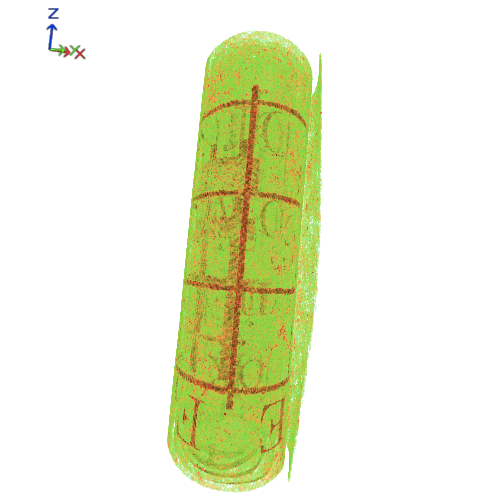
The development will allow studying texts of paper, birch bark and silver scrolls and printed books that have suffered from natural aging, exposure to moisture or fires, and are stored in special conditions.
A data corpus containing six samples of documents rolled up in different ways was used to train the AI. They contained letters, numbers and graphic elements of different sizes.
The authors of the idea hope that the development will help open up new opportunities for researchers in the humanities and preserve cultural heritage. In the future, it is planned to find investors to scale the technology.
Earlier www1.ru reported that in St. Petersburg they trained a neural network to identify vulnerabilities in text captchas.
Read materials on the topic:
Reshetnev employees are developing an AI technologist for satellite construction
Russian AI will start making voice comments to scooter riders and smokers
Never miss our newsAdd this site to your preferred sources to see us more oftenAdd on Google