Soviet towed howitzers D-30 have received "mangals." Russian military personnel noted that metal visors with camouflage are effective for protecting artillery pieces from FPV drones.
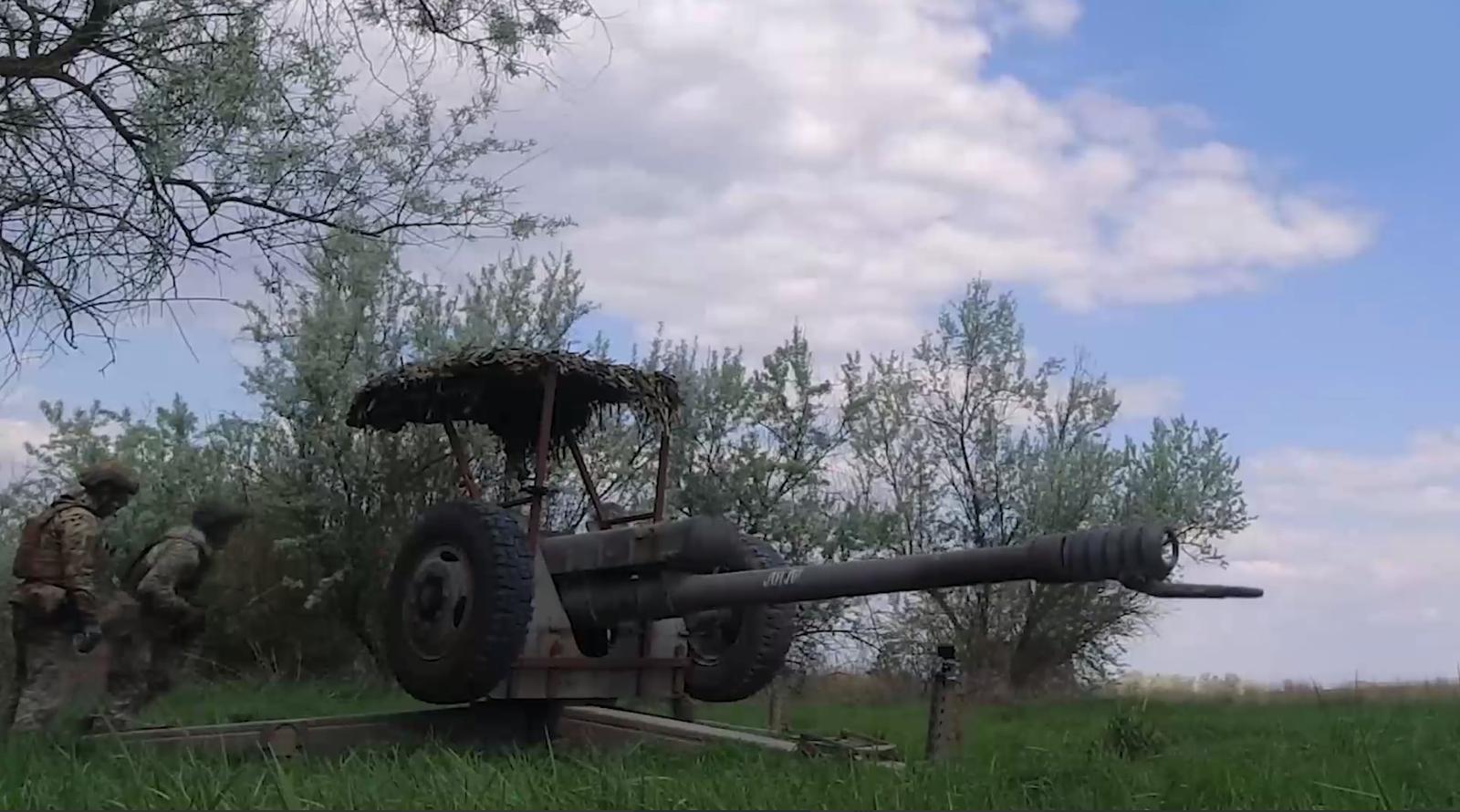
"Mangals" were installed above the breech of the gun. If an FPV drone-dropped munition hits the visor, it explodes, but the gun itself remains undamaged.
D-30 is a legendary 122 mm howitzer that was adopted into service in 1960. It is designed to destroy enemy personnel in open positions and in shelters such as trenches and dugouts. The howitzer also suppresses enemy fire weapons and armored vehicles.
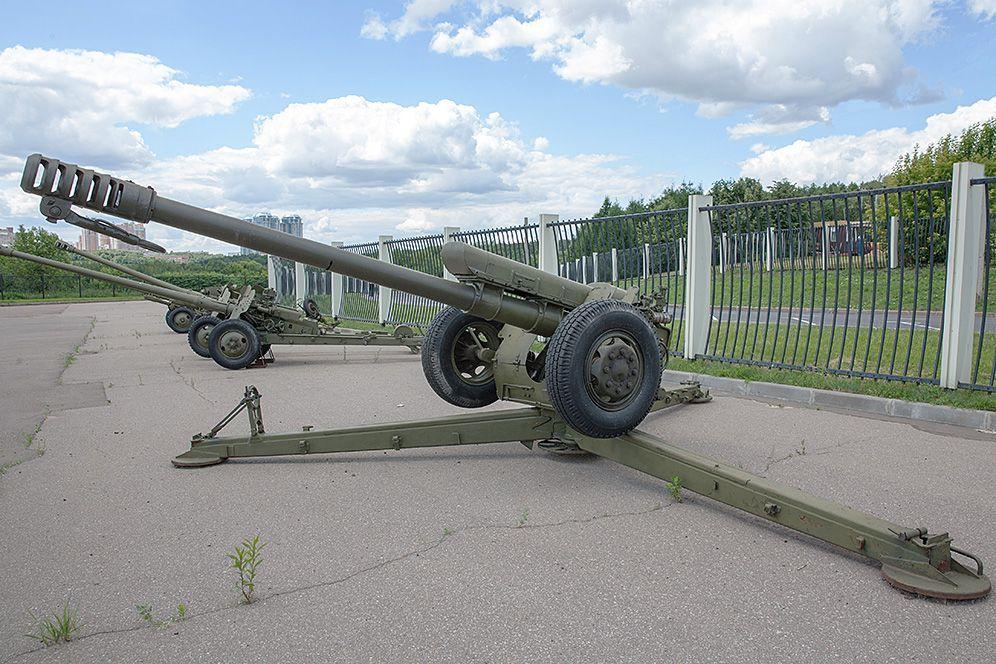
Features of the D-30 howitzer:
- weight in combat position — 3000 kg
- rate of fire — up to 8 rounds per minute
- transport speed — up to 60 km/h
- ammunition: separate-case loading rounds, fragmentation, high-explosive fragmentation, cumulative, smoke, illuminating projectiles, as well as projectiles with arrow-shaped striking elements
Read more on the topic:
The creator of the Volnorez electronic warfare system stated that the West was surprised by the effectiveness of "mangals"
Journalists at Military Watch Magazine admired the protection of Russian tanks
T-90M received a factory "mangal"
Never miss our newsAdd this site to your preferred sources to see us more oftenAdd on Google

















