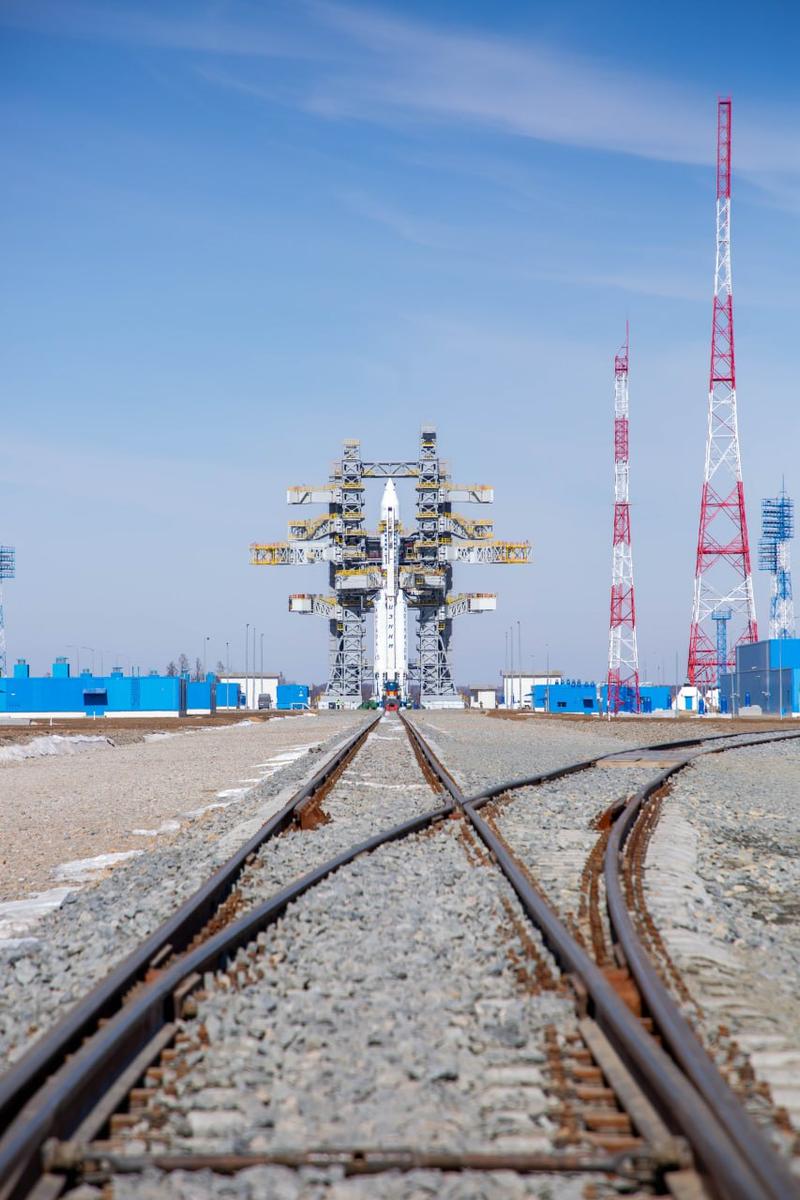
The Russian heavy-lift reusable launch vehicle Angara-A5 has been delivered to the launch pad at the Vostochny Cosmodrome. This is the first rocket of this class that Russia is launching from Vostochny.
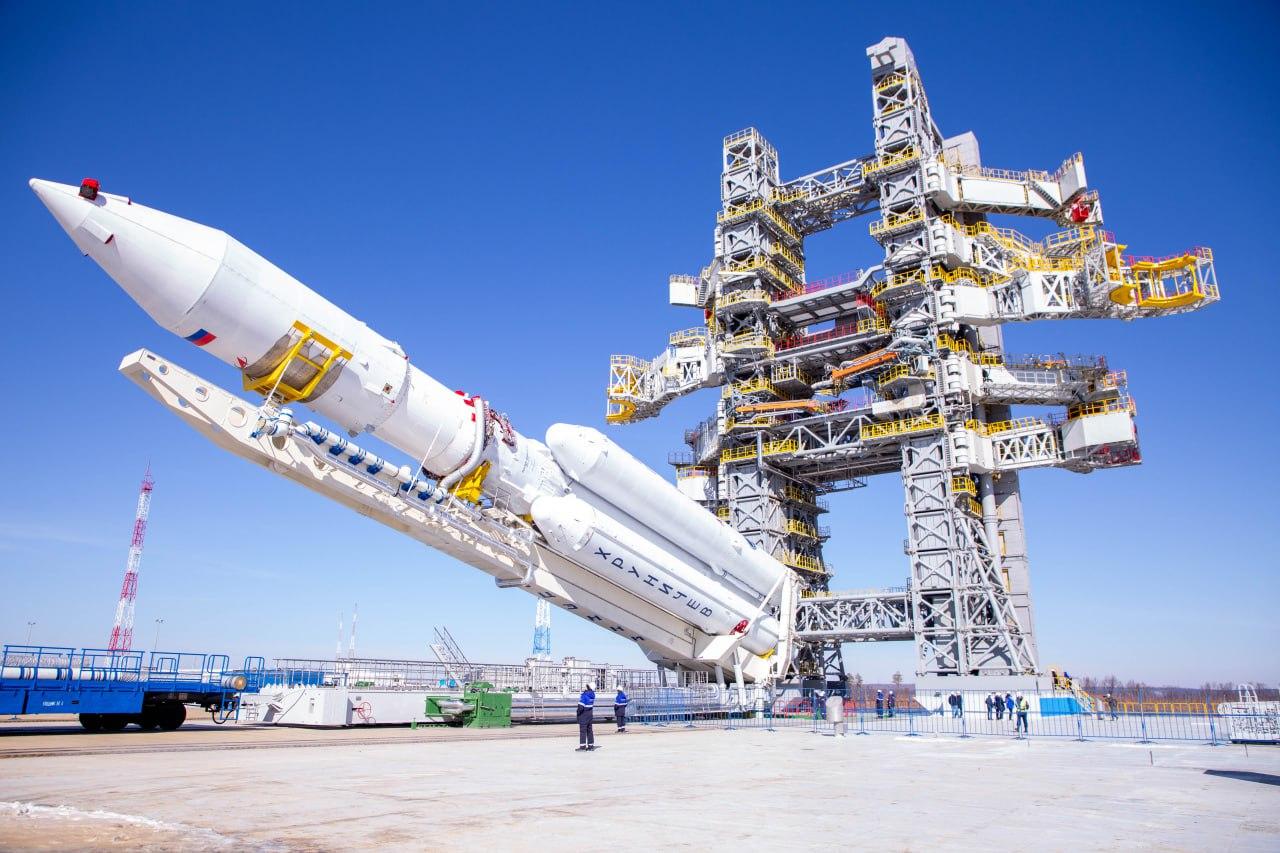
All necessary pre-launch and control tests of Angara-A5 with the Orion booster stage were successful.
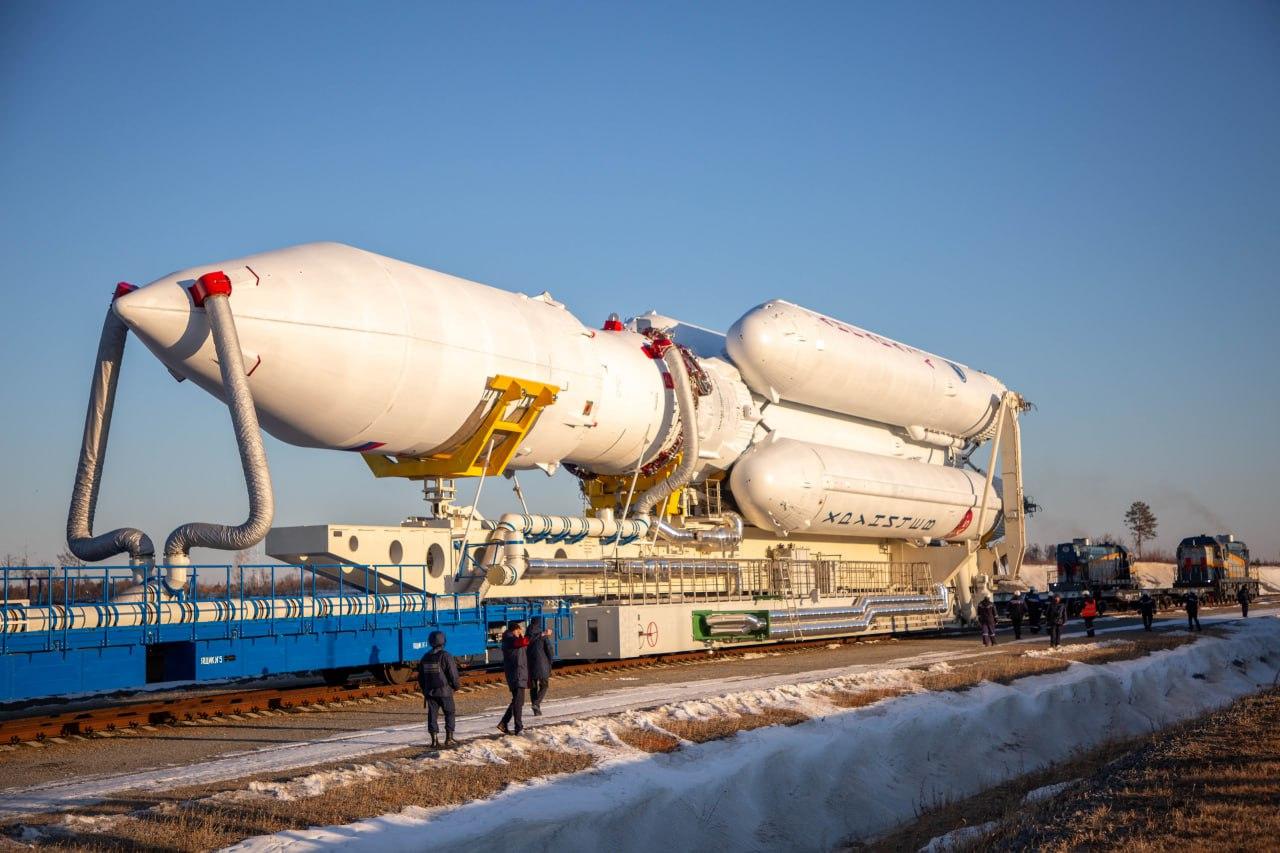
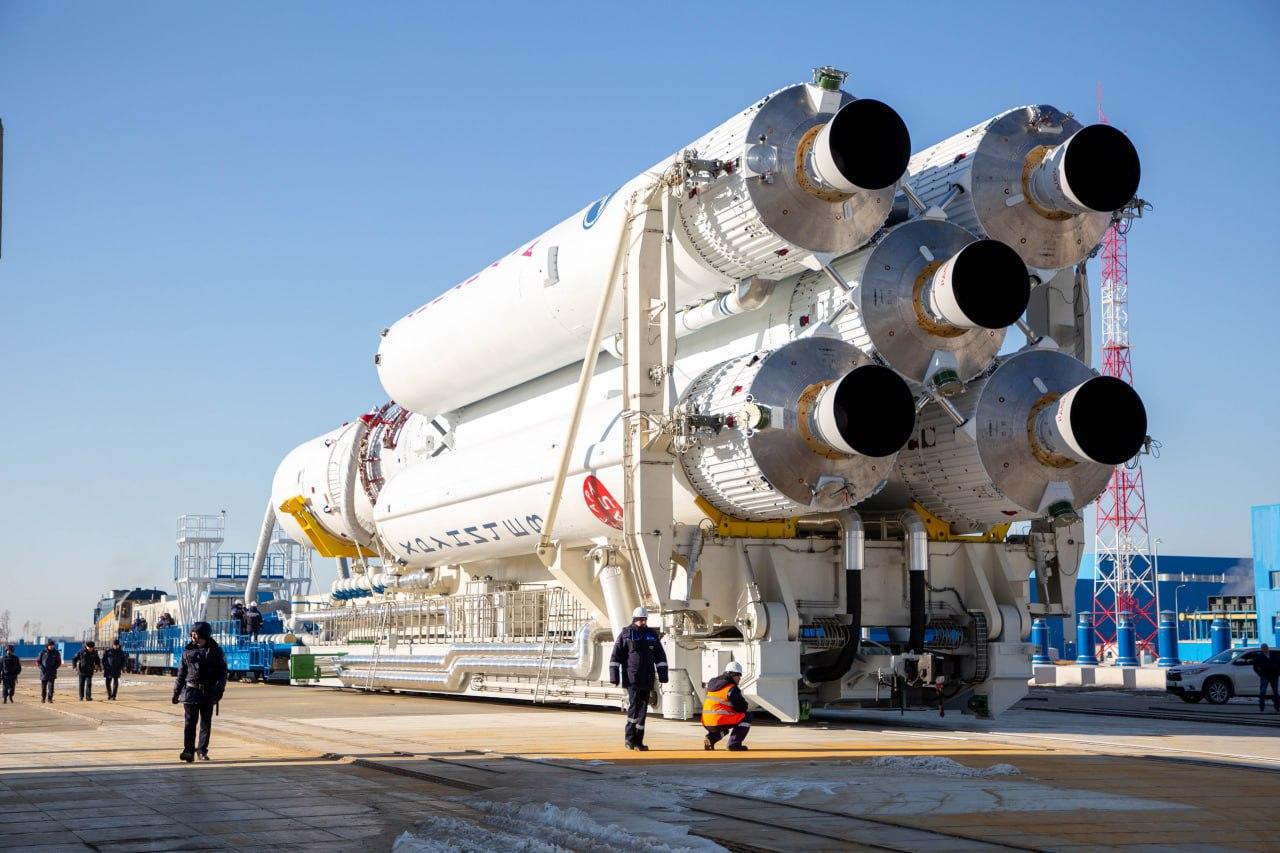
This morning, the rocket was sent from the Assembly and Testing Complex to the launch complex.
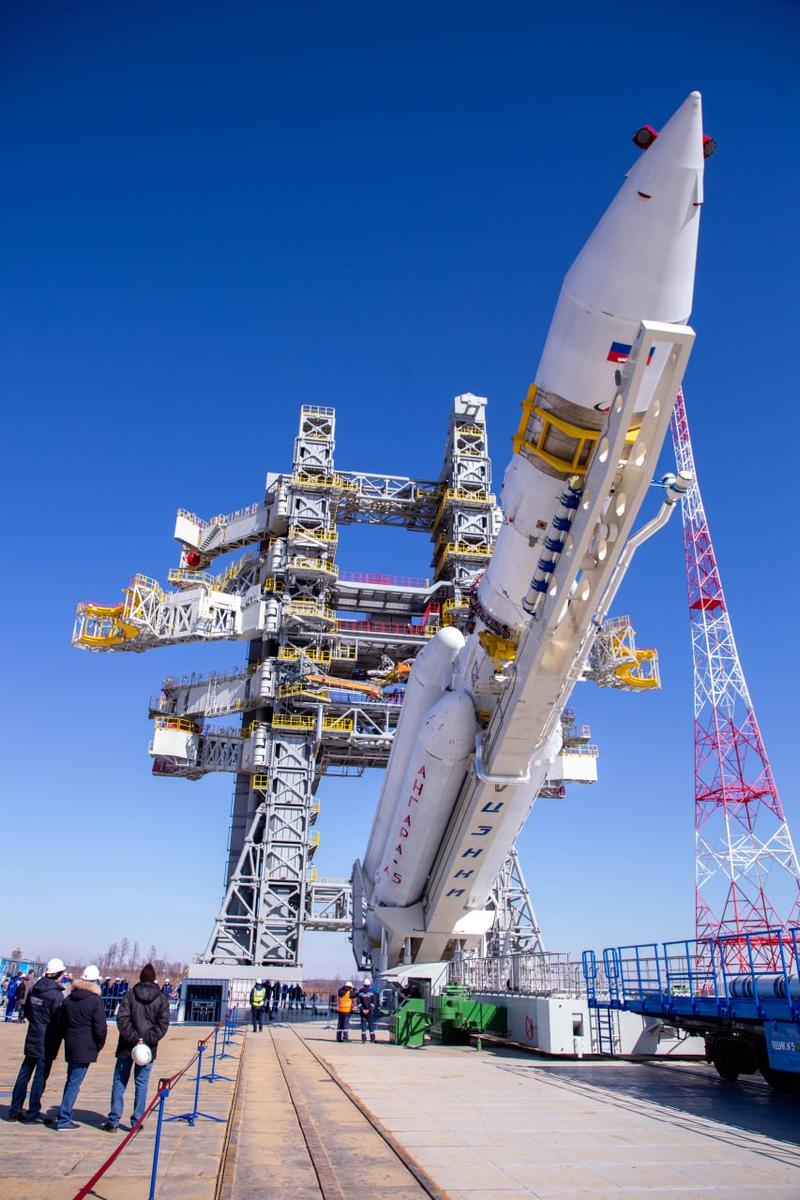
Immediately after delivery, the Angara-A5 was brought into a vertical position for launch. The process took several hours.
The launch of Angara-A5 with a payload is scheduled for the first ten days of April: from April 6 to April 10.
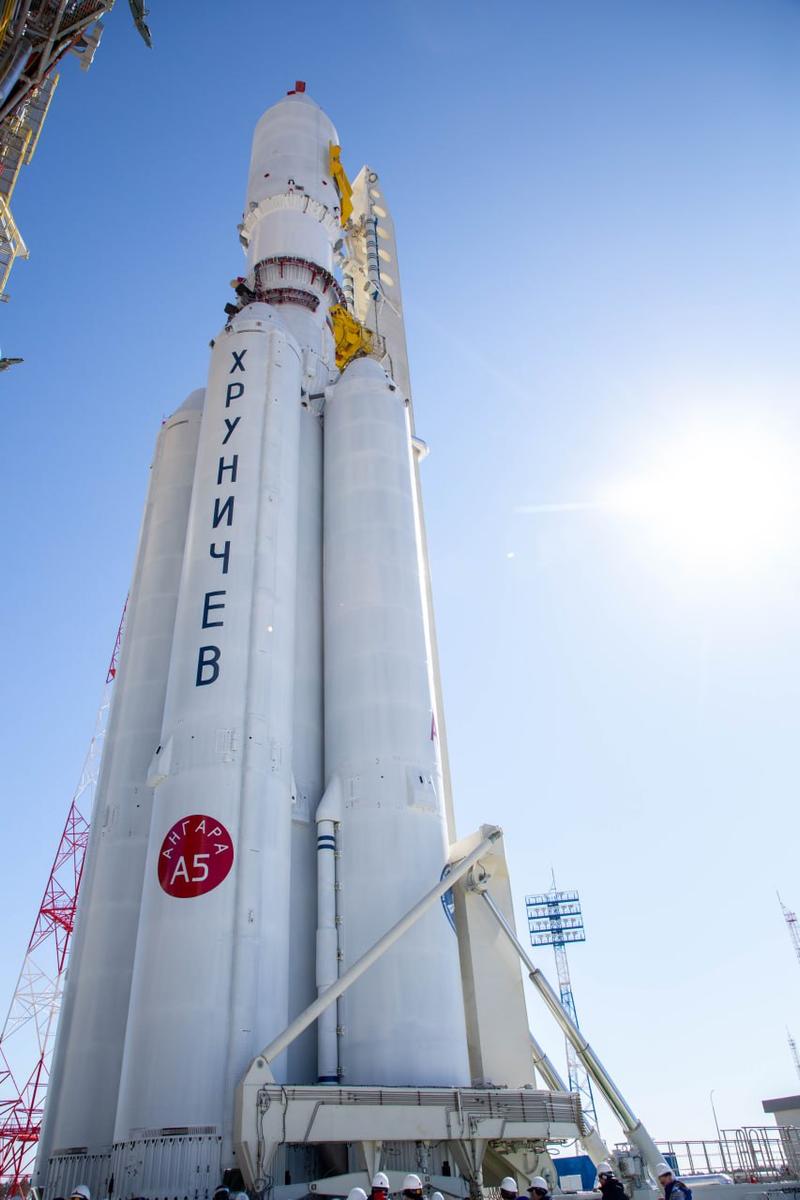
According to Roscosmos, the launch will begin flight design tests of the Amur space rocket complex with Angara rockets for future operation of heavy-lift rocket complexes at the cosmodrome.
Angara-A5 is an environmentally friendly rocket that does not use toxic fuel, unlike Proton-M. The fuel for this type of rocket is naphthyl.
Naphthyl is a modern rocket fuel. It is more environmentally friendly and has fewer aromatic hydrocarbons, which means fewer emissions into the atmosphere. The presence of a greater amount of naphthenes in the fuel increases performance and the ability to put more payload into orbit. Its specific impulse is higher than that of kerosene, which will allow increasing the launch of cargo into orbits of almost all types.
Angara-A5 should completely replace Proton in the near future. According to NPO Energomash, the reusable block of Angara-A5 is designed for ten flights. The central engine will be turned on three times in one flight.
Read related materials:
Russia will produce about eight heavy-lift Angara-A5 rockets per year
Never miss our newsAdd this site to your preferred sources to see us more oftenAdd on Google

















