The Soyuz-2.1v carrier rocket with a spacecraft "in the interests of the Russian Ministry of Defense" was successfully launched from the Plesetsk cosmodrome at the end of last week, February 9.
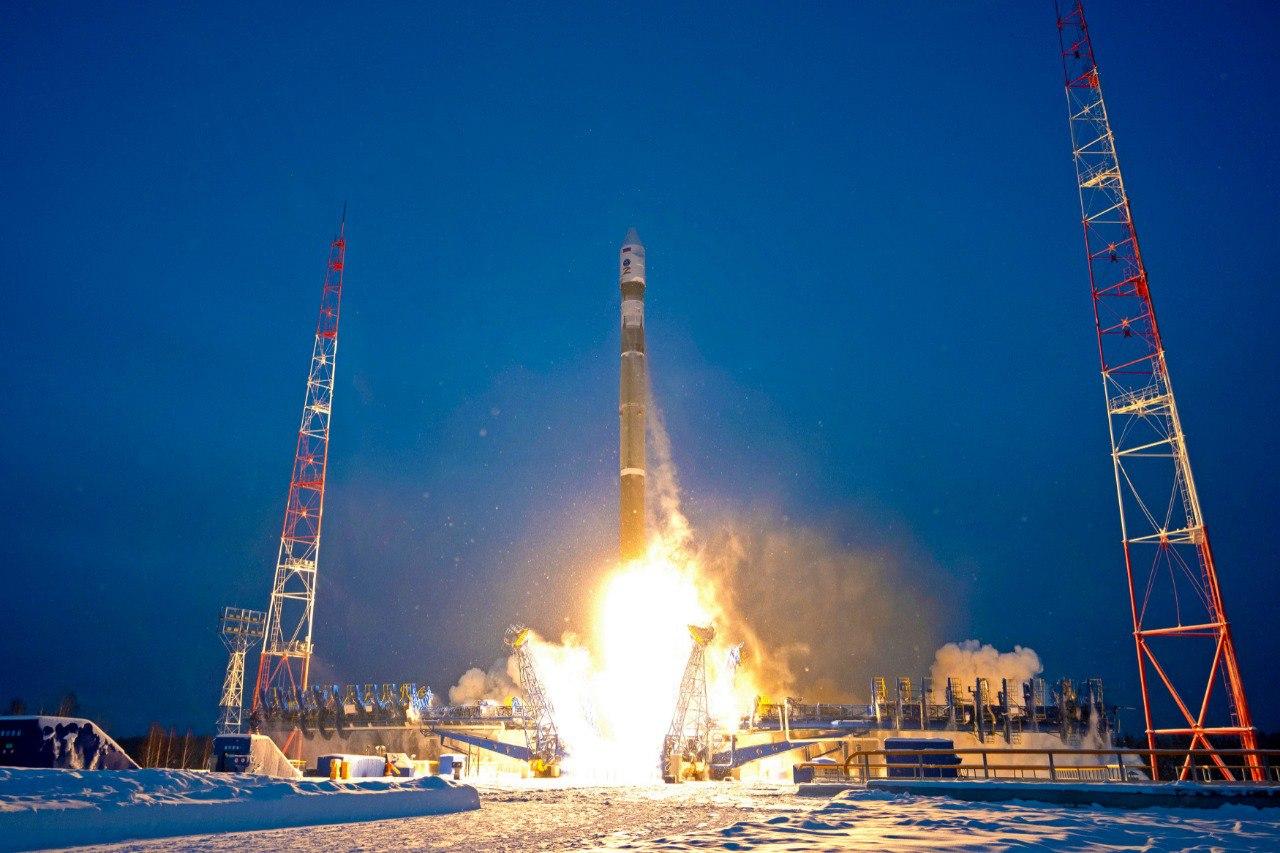
According to the press service of the Ministry of Defense, the spacecraft was launched into the target orbit at the estimated time and accepted for control by ground facilities of the space forces of the Aerospace Forces. Now a stable telemetry connection has been established and maintained with it, its on-board systems are functioning normally.
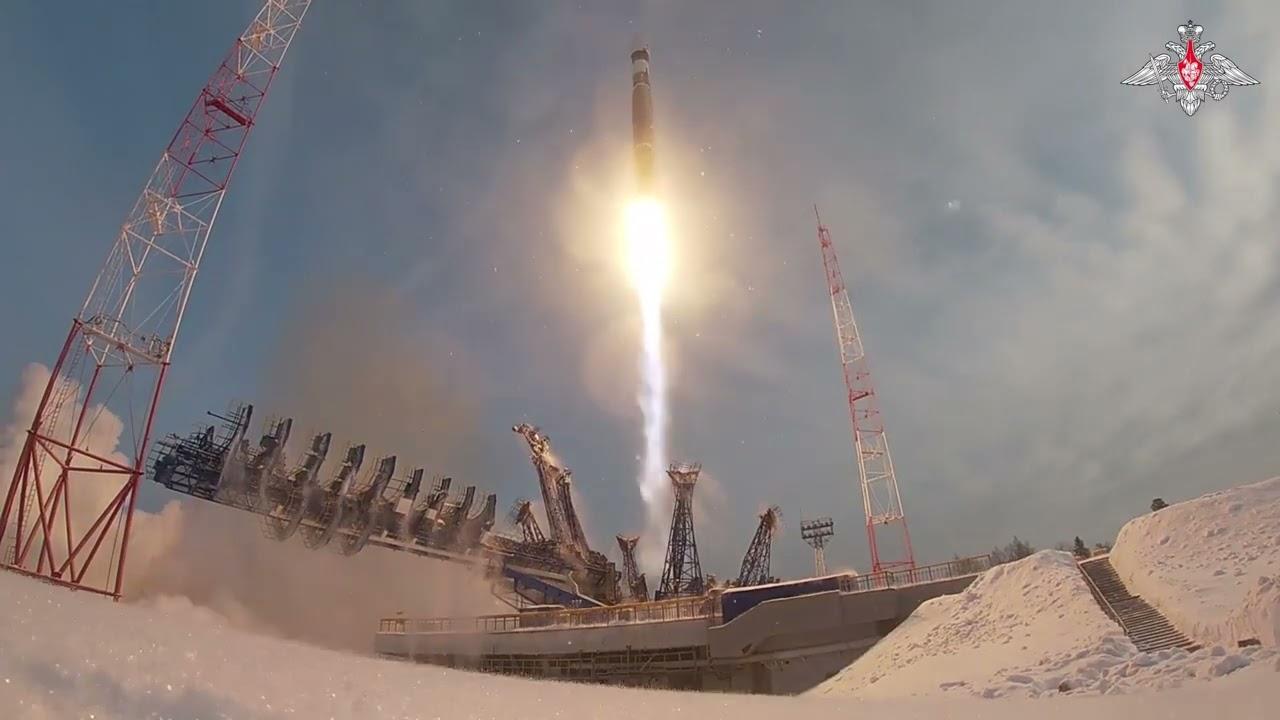
Over the past six months, this is not the only similar launch of rockets with the wording "in the interests of the Russian Ministry of Defense". Thus, similar launches of the Soyuz-2.1b from the Plesetsk cosmodrome with the sending of spacecraft into space were carried out on October 27, then a month later - November 25, and at the end of 2023 - December 21 and 27.
However, the launch on February 9, 2024 is slightly different. It is known that this time the launch of the Soyuz-2.1v carrier rocket was assisted by specialists from the UEC. They prepared the rocket for launch and monitored the engine's operation in flight - it was the NK-33A produced by the Samara enterprise UEC-Kuznetsov. According to the press service of the UEC, "the power plant worked without any problems and successfully launched the carrier rocket into the specified orbit".
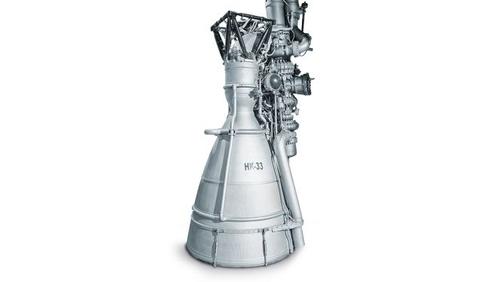
NK-33A is an advanced reusable liquid rocket engine for the first stage of the Soyuz-2.1v carrier rocket. Compared to its analogues, it has a low mass, is simple in design and has a moderate pressure in the combustion chamber.
Its creators note high reliability in the form of more than 450 successful tests and launches among its characteristics. This engine also has:
- engine thrust near the Earth - 154.5 tf;
- pressure in the combustion chamber - 148.7 kgf/cm2;
- high specific impulse in vacuum - 331 s;
- operating time in flight - 200 s;
- resource - 600 s.
In addition, over the past six months, an explanation has already appeared for secret launches with a payload. Military analyst, senior researcher at the Academy of Military Sciences Vladimir Prokhvatilov, in a recent interview with Lenta.Ru, noted that Russian military satellites can conduct surveys of various regions of the Earth and military facilities.
Also, according to him, Russia has special "inspector satellites" that can fight foreign military satellites in space, up to disabling them.
Of course, satellites can also be used for civilian purposes. They monitor the weather, conduct satellite surveys of regions for peaceful purposes, for example, for geological exploration tasks.
There are no such explanations from officials of the Ministry of Defense yet, but there is no refutation of Prokhvatilov's words either.
Never miss our newsAdd this site to your preferred sources to see us more oftenAdd on Google

















