Translated with AI from the Russian original.
The Russian company "Looking from the Sky" (headquartered in Tomsk) presented a new model of the NT-3 unmanned tiltrotor (rotary-wing aircraft with rotary engines -editor's note www1.ru) at a scientific and technical conference at the Altai State Agrarian University (ASAU).
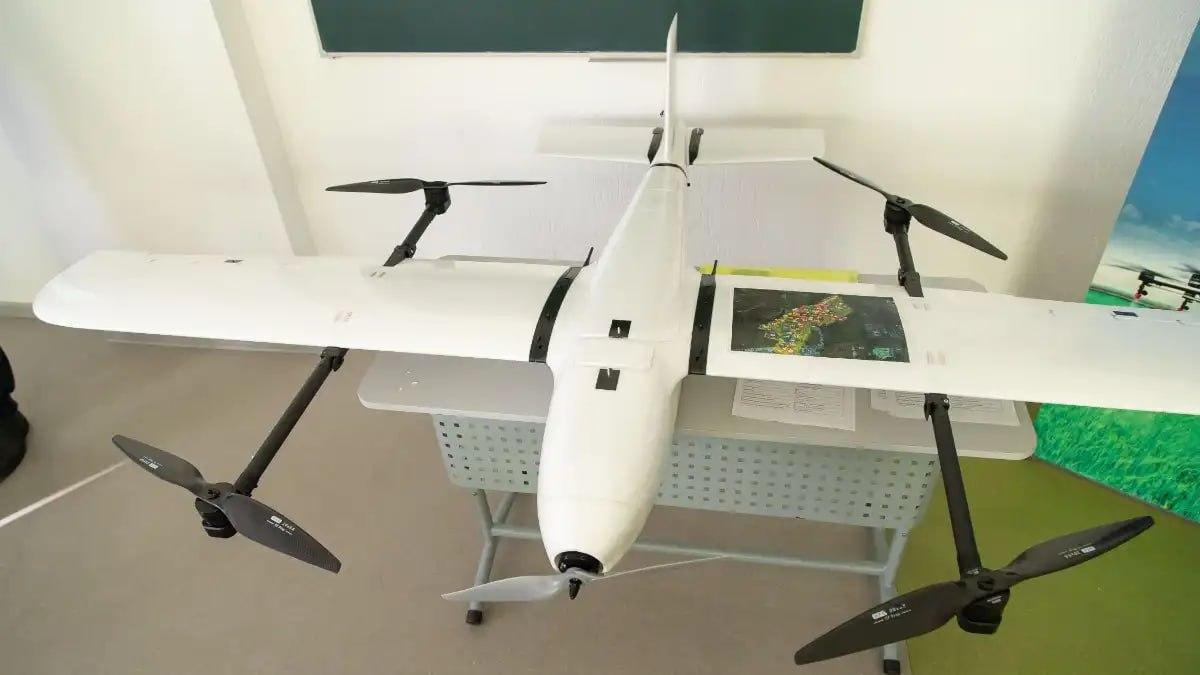
The NT-3 tiltrotor moves at a speed of 20 m/s, and its flight duration is up to 180 minutes. The development of "Looking from the Sky" is capable of covering a distance of up to 210 km. Since the range of the drone's signal reception is only 50 km, repeaters will be required.
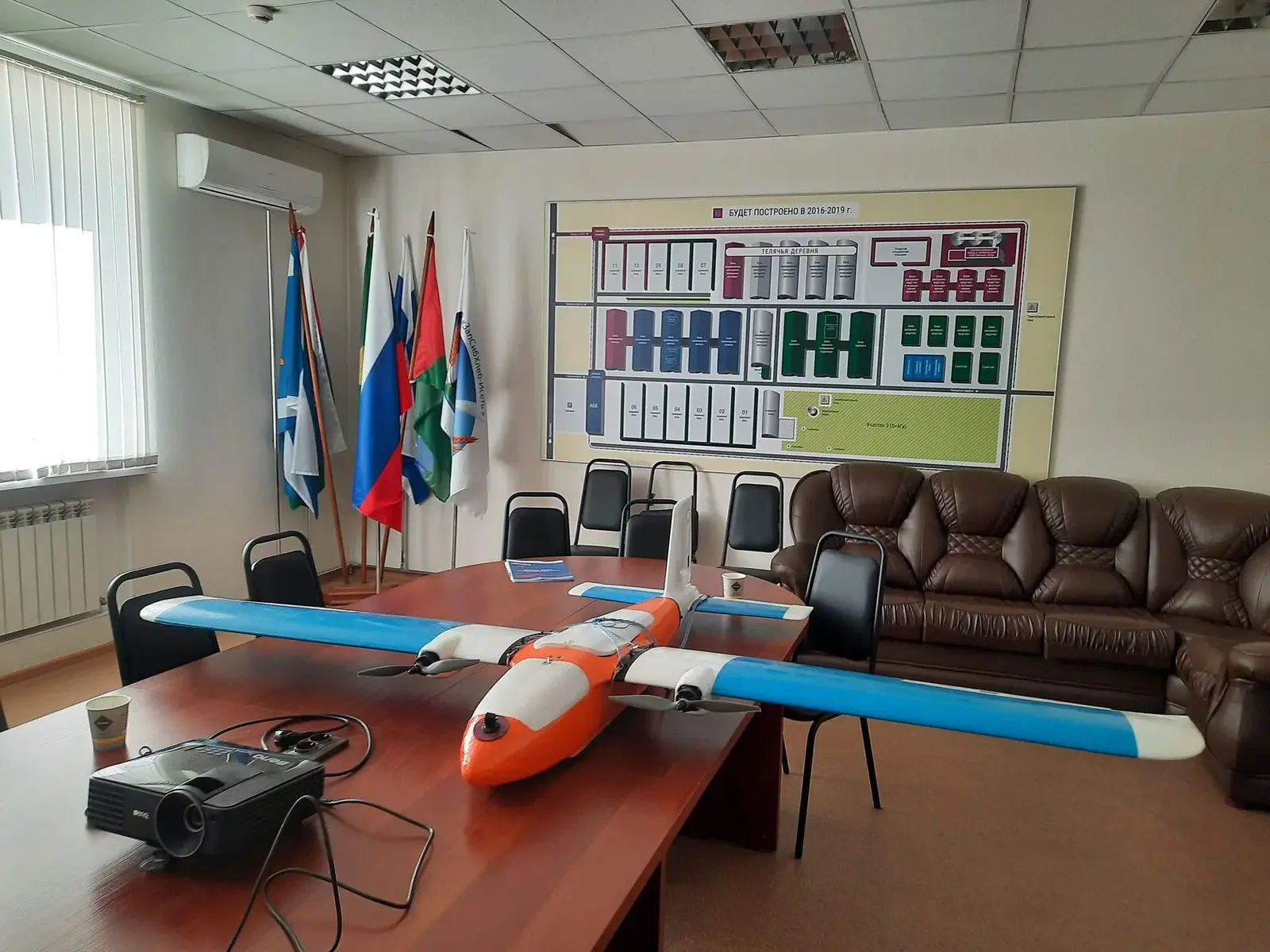
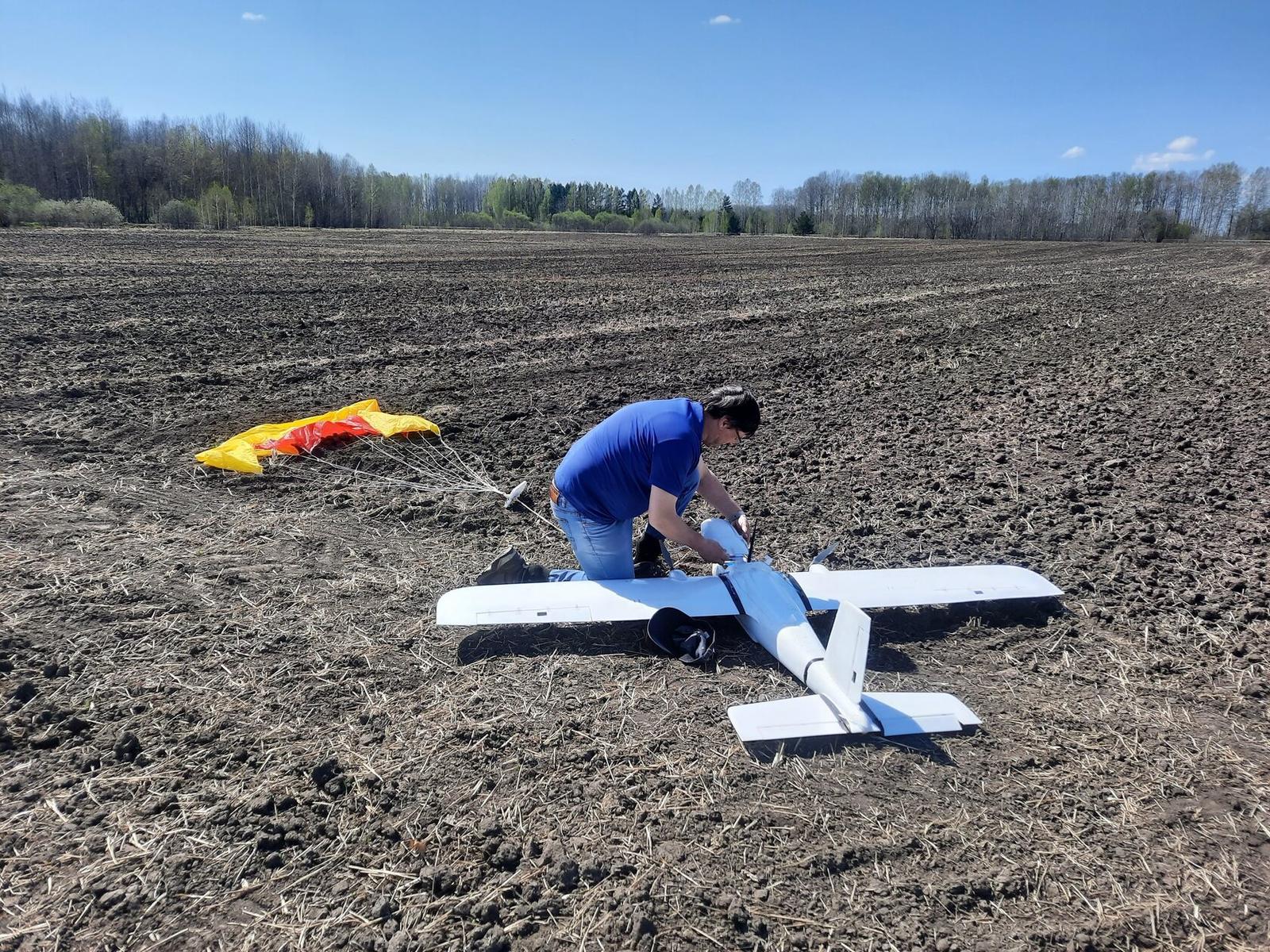
According to information on the company's website, the twin-engine NT-3 is made of carbon and wood. Its wingspan reaches 2.4 m. The device can carry up to 2 kg of payload with a maximum take-off weight of 9 kg. In the standard configuration, the tiltrotor is equipped with a Sony a6000 camera. Landing is carried out using a parachute.
The development of tiltrotors is one of the promising areas for the development of unmanned aircraft systems (UAS) in Russia. Earlier www1.ru wrote thatthe VETER tiltrotor drone was presented at the Tretyakov Gallery. It was also reported about the promising innovativetiltrotor "Archangel" for civil and military purposes.
Never miss our newsAdd this site to your preferred sources to see us more oftenAdd on Google

















