Translated with AI from the Russian original.
Korean TV channel MBC reported that Hyundai Motors is awaiting permission from the Russian authorities to sell its Russian plant to a Kazakh company. Although Hyundai itself has not confirmed this information, it is consistent with data from Russian sources. In particular, the Telegram channel "Russian Automobile" has already written about this.
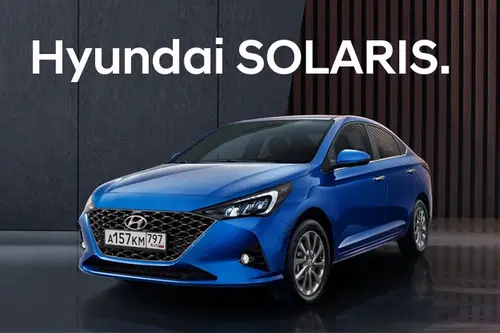
The buyer of the Russian plant may be "Astana Motors", which includes the distribution companies Hyundai Auto Kazakhstan and Hyundai Com Trans Kazakhstan, as well as the production enterprises Hyundai Trans Almaty and Hyundai Trans Kazakhstan. It is "Astana Motors" that is responsible for the assembly in Kazakhstan of budget Hyundai Accent sedans (known in Russia as Solaris) from bodies that are produced at the Russian plant. Moreover, they are produced for Kazakhstan even now. In this regard, the acquisition of the Russian Hyundai plant by Astana Motors looks more than logical.
It is suggested that after the sale of the enterprise, the Kazakh company may resume production in Russia of Hyundai Creta, Hyundai Solaris and Kia Rio, but under different names.
Never miss our newsAdd this site to your preferred sources to see us more oftenAdd on Google

















