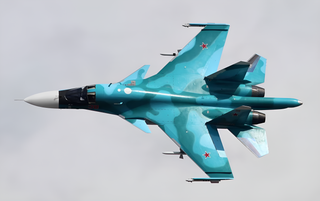
For decades, it has been considered normal in aviation for the center of mass to be ahead of the center of pressure. But the development of the Gromov Flight Research Institute will break this logic.
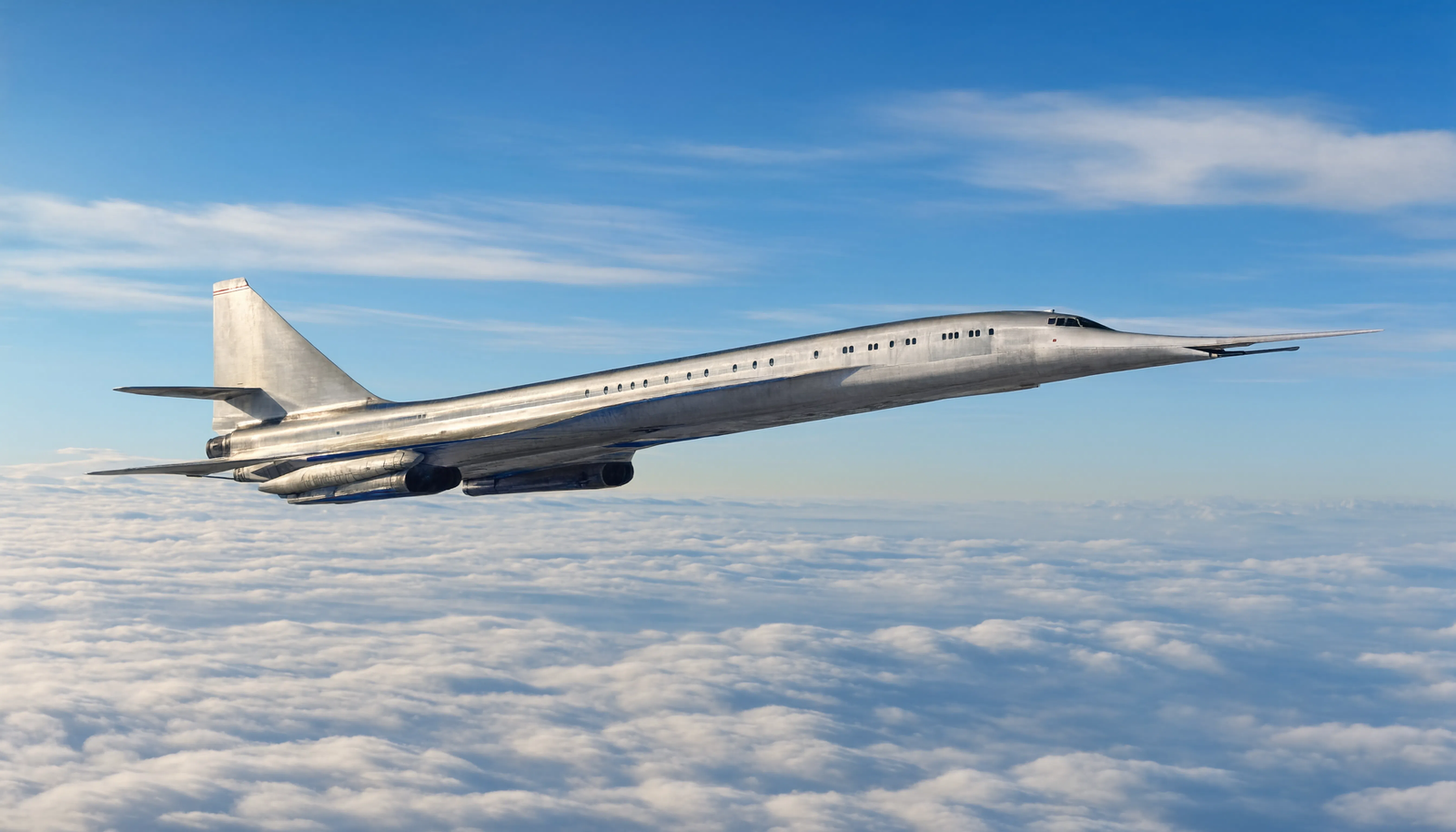
"Pervy Tekhnichesky" analyzes the scheme of domestic engineers using the example of a new supersonic airliner, where everything works in reverse and even without loss of stability.
Why modern schemes lose lift
In classical aerodynamics, the center of mass is located ahead of the center of pressure. This ensures stability but requires compensation through a stabilizer, which creates negative lift.
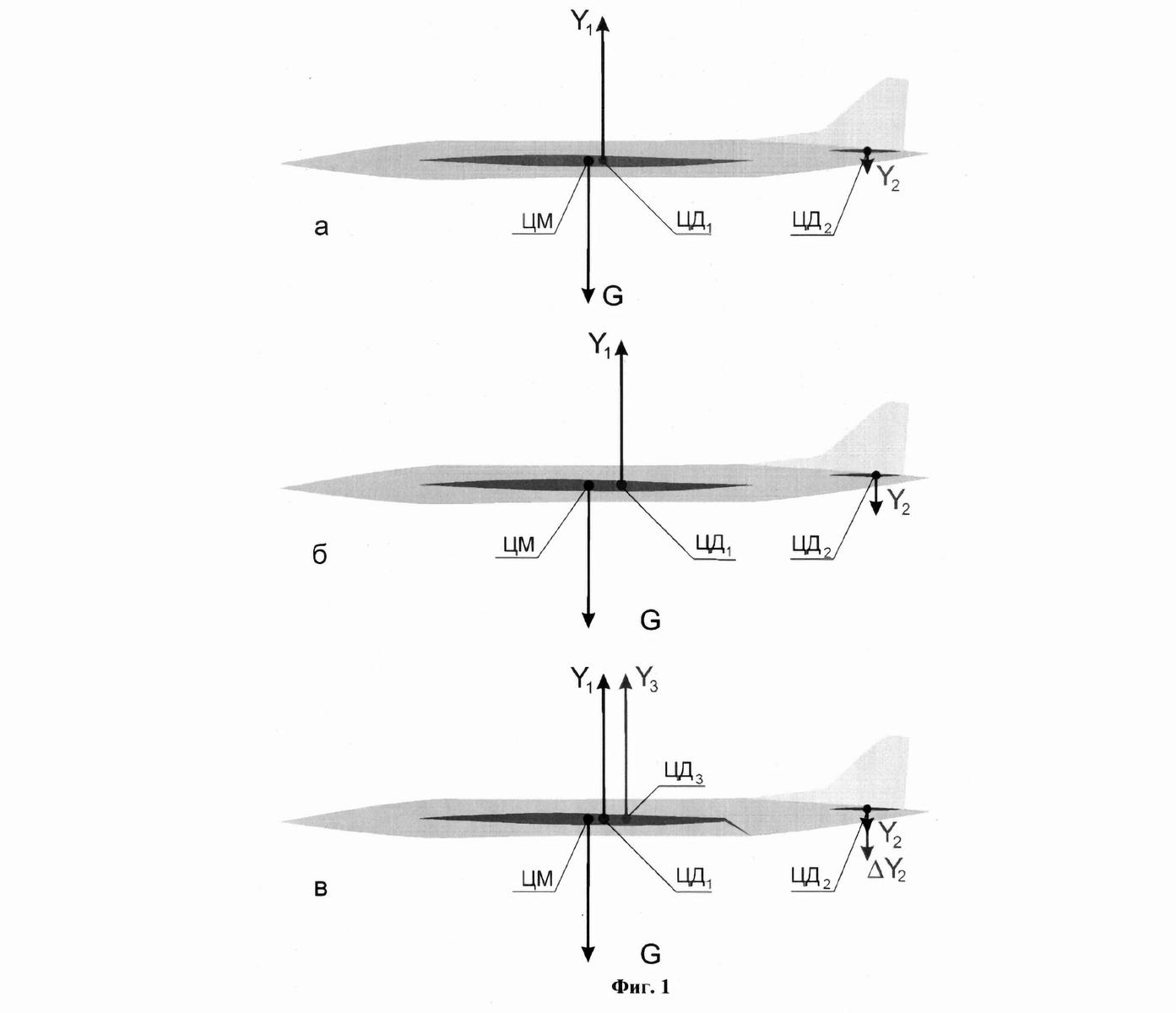
As a result, up to 5–10% of lift is lost, drag increases, and efficiency decreases, especially at supersonic speeds and with extended wing mechanization. The problem has been known for decades: the aircraft is stable, but it "pays" for this with fuel and flight quality.
What the new layout changes
In the proposed scheme of the LII Gromov, the center of mass is shifted backward — beyond the point of application of additional aerodynamic forces and even beyond the limiting positions of the center of pressure without a horizontal tail. As a result, the stabilizer begins to work with positive lift, not negative.
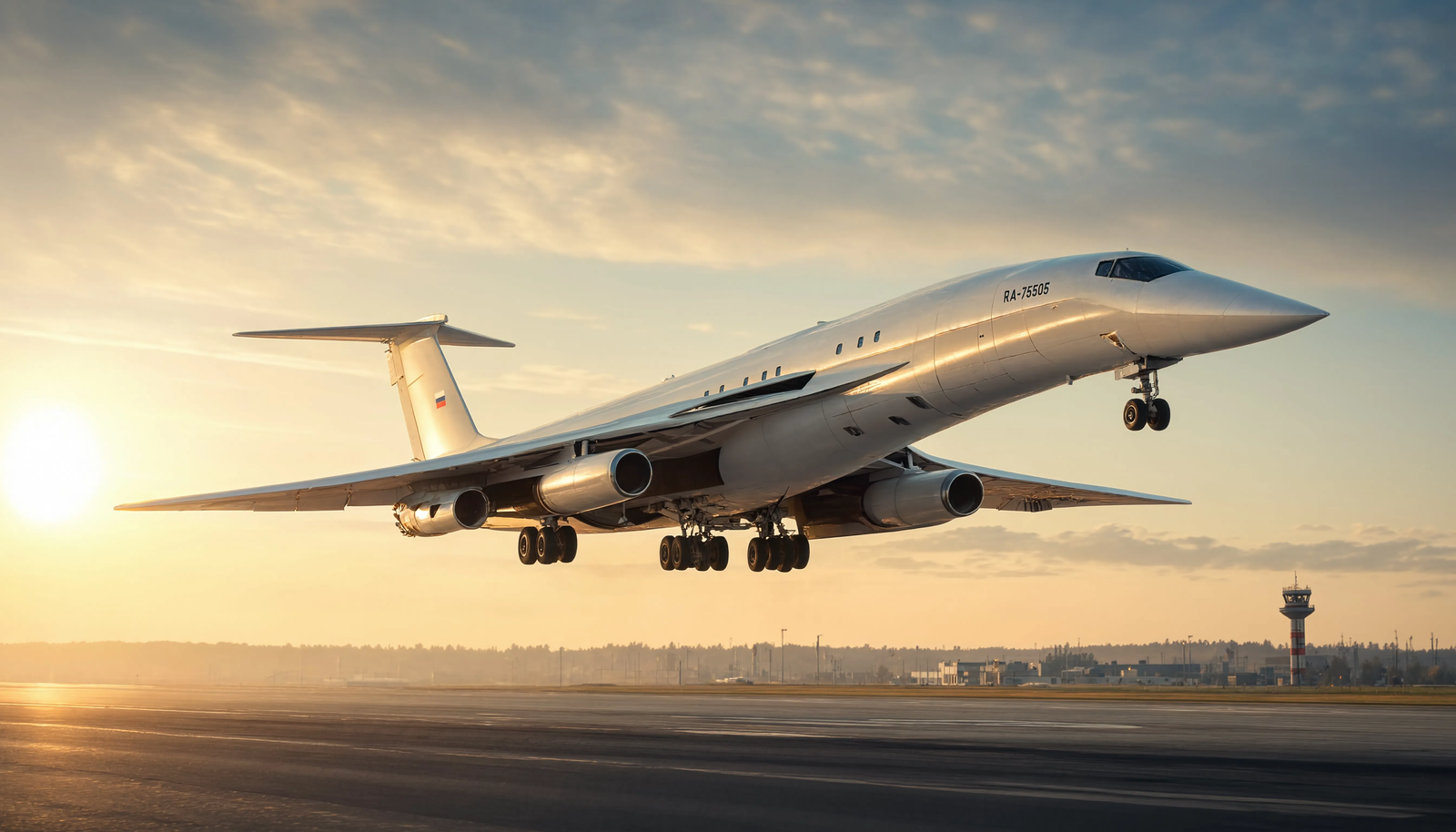
This radically changes the balance — key losses disappear, and the stabilizer stops "damping" the wing's lift. At the same time, stability is maintained by selecting the geometry and area of the horizontal tail.
Newton would be envious
According to the authors' calculations, the scheme can increase aerodynamic quality in cruise mode and improve takeoff and landing characteristics.
The aircraft gains a greater lift margin, reduces thrust requirements and runway length. Potential fuel savings and reduced operational restrictions for supersonic modes are also noted.
Read more on the topic:
Never miss our newsAdd this site to your preferred sources to see us more oftenAdd on Google