Translated with AI from the Russian original.
The S-21 supersonic passenger aircraft project, abandoned more than twenty years ago, has moved forward again. Specialists from TsAGI have returned to the aerodynamic configuration of the machine, which the Sukhoi Design Bureau began designing in the late 1980s. Roman Gusarov, editor-in-chief of the "Avia.ru" portal, spoke about the prospects for reviving the legend and the real timeline for the prototype's appearance.
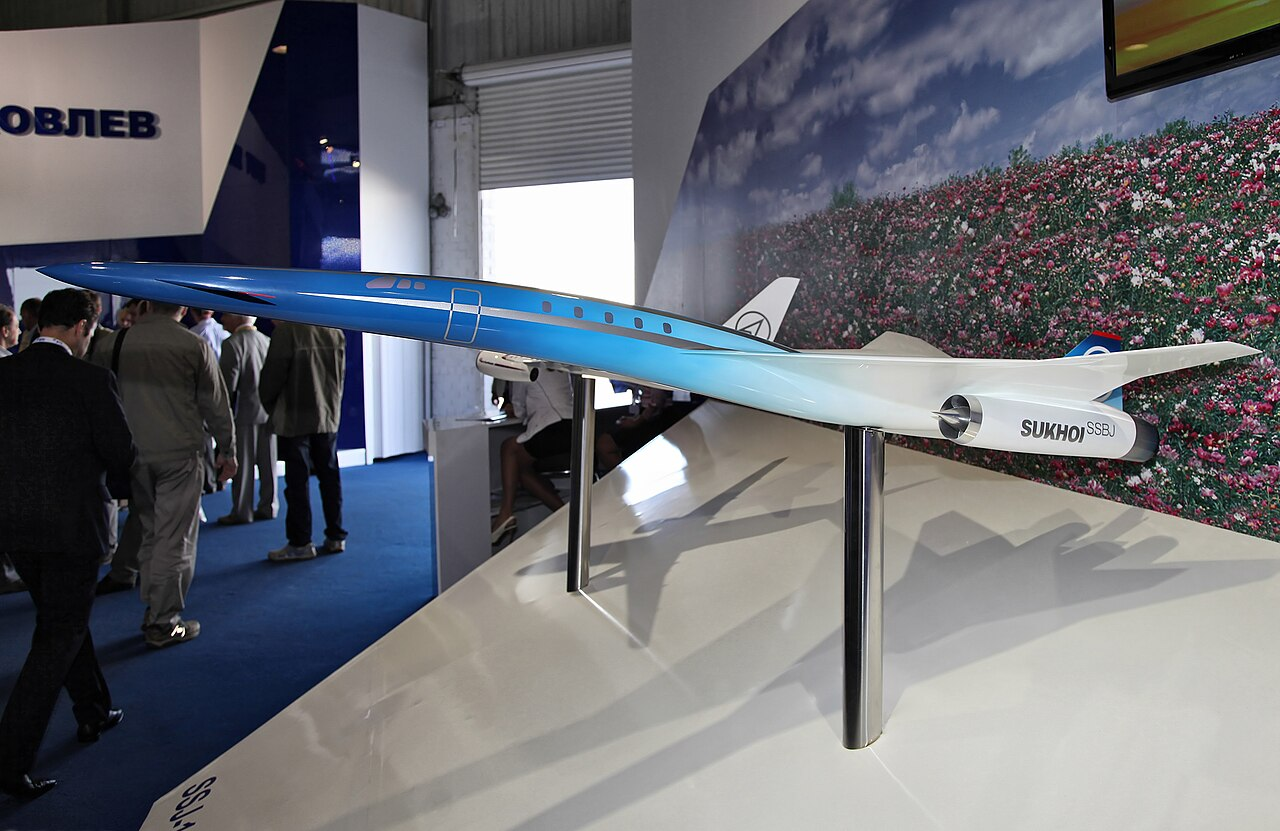
The history of the S-21 dates back to the late Soviet period, when Sukhoi designers set an ambitious goal – to create a supersonic airliner for business travel. Together with the American company Gulfstream Aerospace, engineers worked on the design of a machine capable of developing a cruising speed of about Mach 2. By the mid-1990s, about $25 million had been invested in the project, but it did not go beyond the completion of preliminary design, and by the early 2000s, development was frozen.
Now, a quarter of a century later, TsAGI has rejoined the work. According to Roman Gusarov, the institute is working on the aerodynamic configuration of the future airliner, and a ready preliminary design of the machine has already been demonstrated.
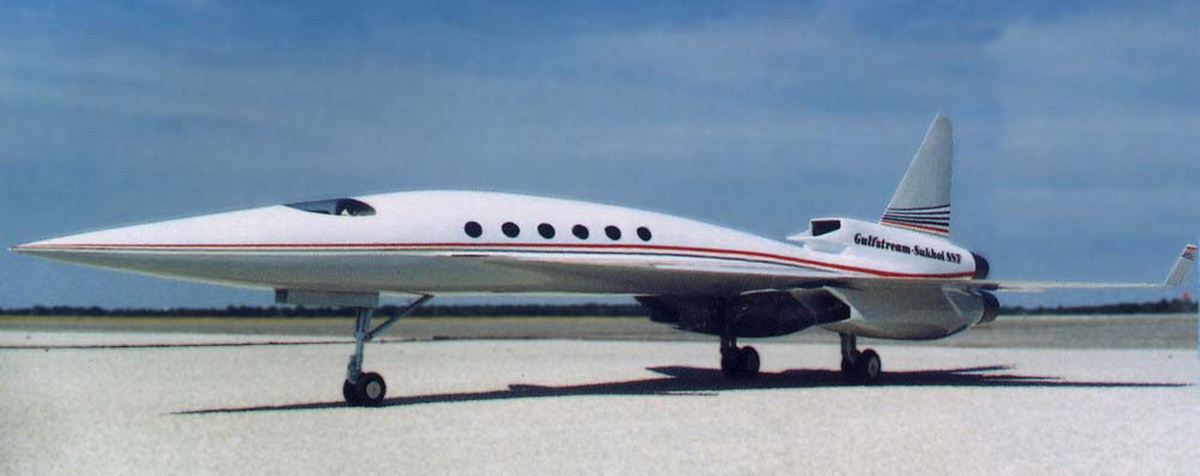
The expert noted that with political will and targeted funding, a flying prototype to test key technologies could be built in approximately two years. He emphasized that this refers to a demonstrator, not a production model.
The path from drawing board to commercial airliner, according to Gusarov, will be significantly longer. It takes about ten years to create a conventional passenger aircraft from scratch, and for a supersonic machine, the timelines and budget increase many times over – up to tens of billions of dollars. A separate expense item will be the development of a power plant capable of stable operation at supersonic speeds without harming the environment and resource life.
Gusarov is convinced that undertaking such a project for the sake of image is pointless. The global market has not yet formulated a clear demand for supersonic travel. Probable formats include a compact airliner for thirty seats or a business jet. The key question is whether there will be solvent customers willing to pay for such flights.
The first to start production of such an aircraft will be the one who finds such customers.
In his opinion, the most likely buyers could be wealthy clients from the Middle East. It is the presence of a specific financial partner, rather than government funding, that will determine whether the S-21 takes off in the foreseeable future.
Leading aviation powers of the world are simultaneously conducting their own research in the field of supersonic flight, developing new materials, engines, and aerodynamic schemes, but commercial models are still scarce for everyone.
Read more on the topic:
Never miss our newsAdd this site to your preferred sources to see us more oftenAdd on Google

















