Sergey Detenyshev, Chairman of the Board of the Association of Small Aviation Enterprises, voiced critical remarks regarding the design of the light aircraft LMS-901 "Baikal". The expert explained which engineering solutions could make the aircraft unprofitable for regional transportation.
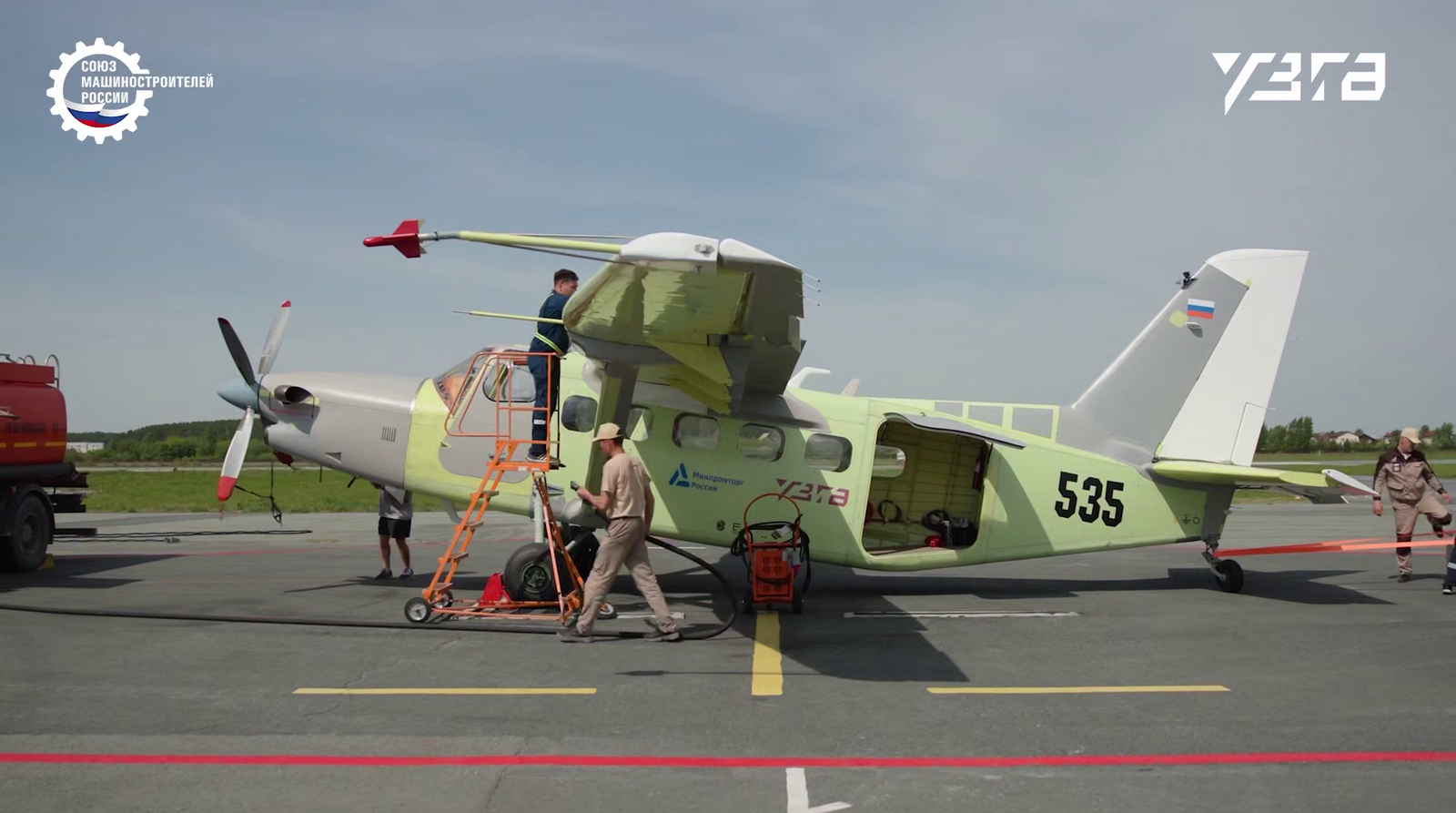
According to Detenyshev, despite significant state investments in the project, the actual flight performance parameters of the "Baikal" have not yet been published. The Ural Civil Aviation Plant, which possesses all the documentation, is not sharing the data. This makes an independent assessment of the aircraft impossible – specialists can only analyze visible design features.
The expert drew attention to the high cabin. According to him, there is no practical benefit for passengers in this – people do not walk at full height during flight. However, the increased fuselage height creates additional drag, which directly reduces speed and increases fuel consumption.
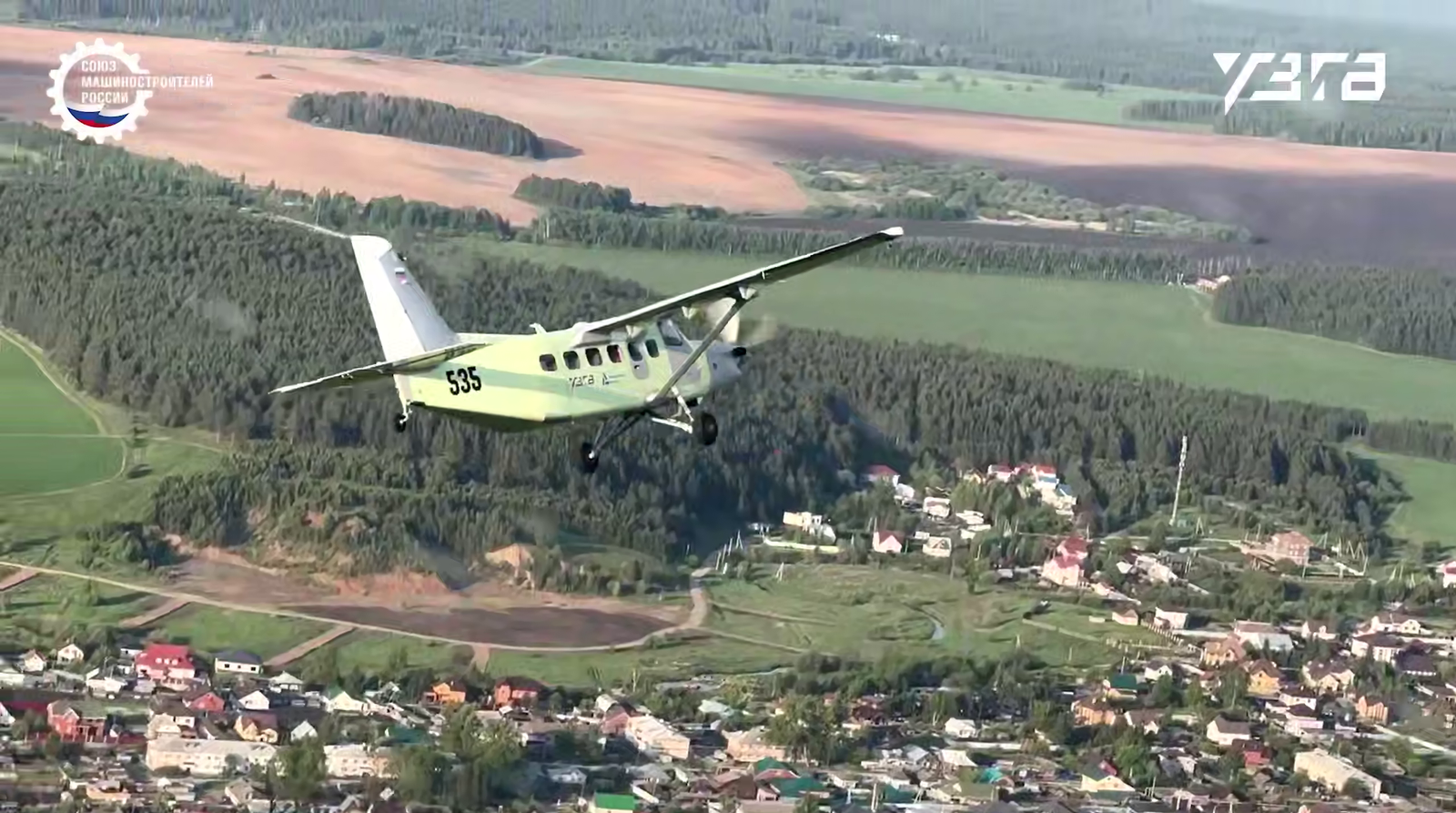
Another controversial point is the tailwheel landing gear. The developers justified this scheme by the possibility of landing on unprepared ground. However, for regular commercial flights, landing in an open field is not the primary task, and the layout itself complicates piloting, reduces visibility from the cockpit, and increases risks during taxiing.

The third factor is weight. Single-engine ten-seat aircraft of this class usually have a takeoff weight of up to 3.5 tons. The "Baikal", according to the expert's estimates, has already exceeded 5 tons. If the takeoff weight indeed exceeds 4.5 tons, the engine will spend its main thrust on lifting the structure itself, rather than passengers and cargo. This will inevitably affect the ticket price, which is calculated based on fuel consumption per kilometer.
The exact weight data of the "Baikal" is classified, but if its weight is more than 4.5 tons, it will carry itself, not passengers and cargo.
In summary, according to the expert, the result is a heavy aircraft with increased drag and an unclear takeoff distance. The declared short takeoff and landing characteristics, combined with aerodynamic losses and heavy weight, may require even greater fuel consumption. This calls into question the economic feasibility of the project for small aviation.
Read more on the topic:
Never miss our newsAdd this site to your preferred sources to see us more oftenAdd on Google

















