A drogue parachute on a modern fifth-generation fighter jet seems to many like a relic of the past. Compared to the F-22 and F-35, which rely only on brakes, the Russian Su-57 indeed looks unusual.
However, the reason here is not "backwardness," but a completely different philosophy of combat aviation application. "Pervy Tekhnichesky" explains the true reason behind this approach.
Short runways and military airfields
The main reason for the drogue parachute on the Su-57 is the requirement for operation from unprepared or damaged airfields. The Russian school of combat aviation traditionally proceeds from a scenario of a major conflict, where part of the runway may be destroyed in the first hours.

The drogue parachute allows for a sharp reduction in the landing roll. For a heavy fighter weighing over 20 tons, this is critically important. The Su-57 can operate more safely from shorter runways, including northern airfields or sites with limited length.
The American F-22 and F-35 have a different concept. They were designed for operation on a developed network of high-quality NATO concrete bases with long runways and a powerful maintenance system.
Less load on brakes
During landing, a modern fighter carries enormous kinetic energy. If this energy is dissipated only by wheel brakes, the disc temperature and component wear increase sharply.
On the Su-57, the parachute removes a significant part of the load in the first seconds after touchdown. This is especially important in winter, on a wet runway, or when landing with a large residual fuel and armament mass.
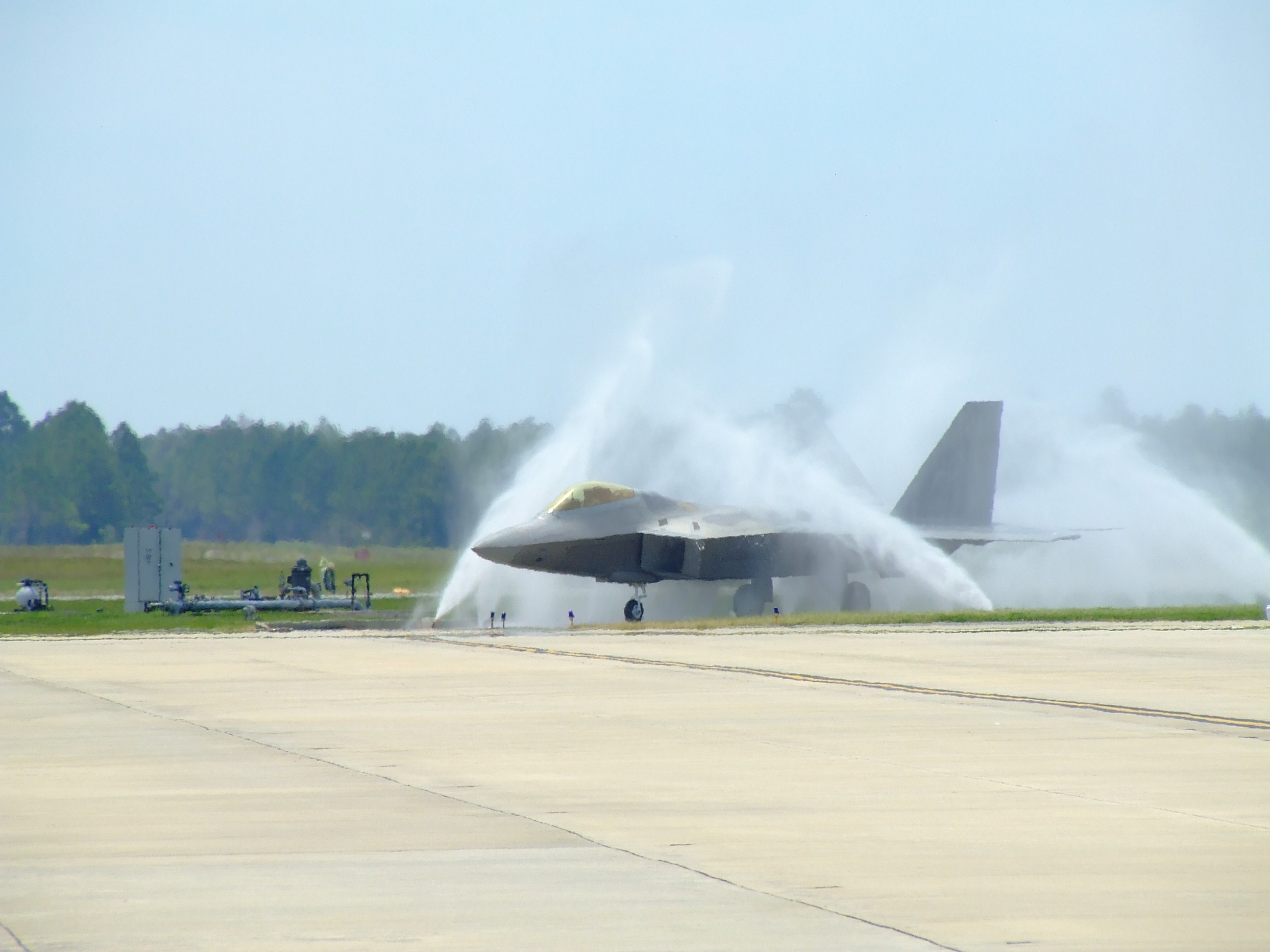
The F-35 and F-22 use more aggressive carbon braking systems and rely on the quality of airfield surfaces. But such a scheme requires ideal operating conditions and much more expensive maintenance.
Parachute does not hinder fifth generation
Sometimes it is said that the drogue parachute supposedly contradicts the stealth concept. This is not true. The parachute container is integrated into the tail section and hardly affects the aircraft's radar visibility.
At the same time, the gain in versatility for the Russian Aerospace Forces turned out to be more important than a complete rejection of the system. The Su-57 was created not only as a "sterile" stealth fighter, but also as a machine for operating in the harsh conditions of real war.
That is why the Russian aircraft retained the parachute even in the era of the fifth generation. For the Su-57, this is not a sign of the old school, but an element of combat survivability and independence from ideal infrastructure.