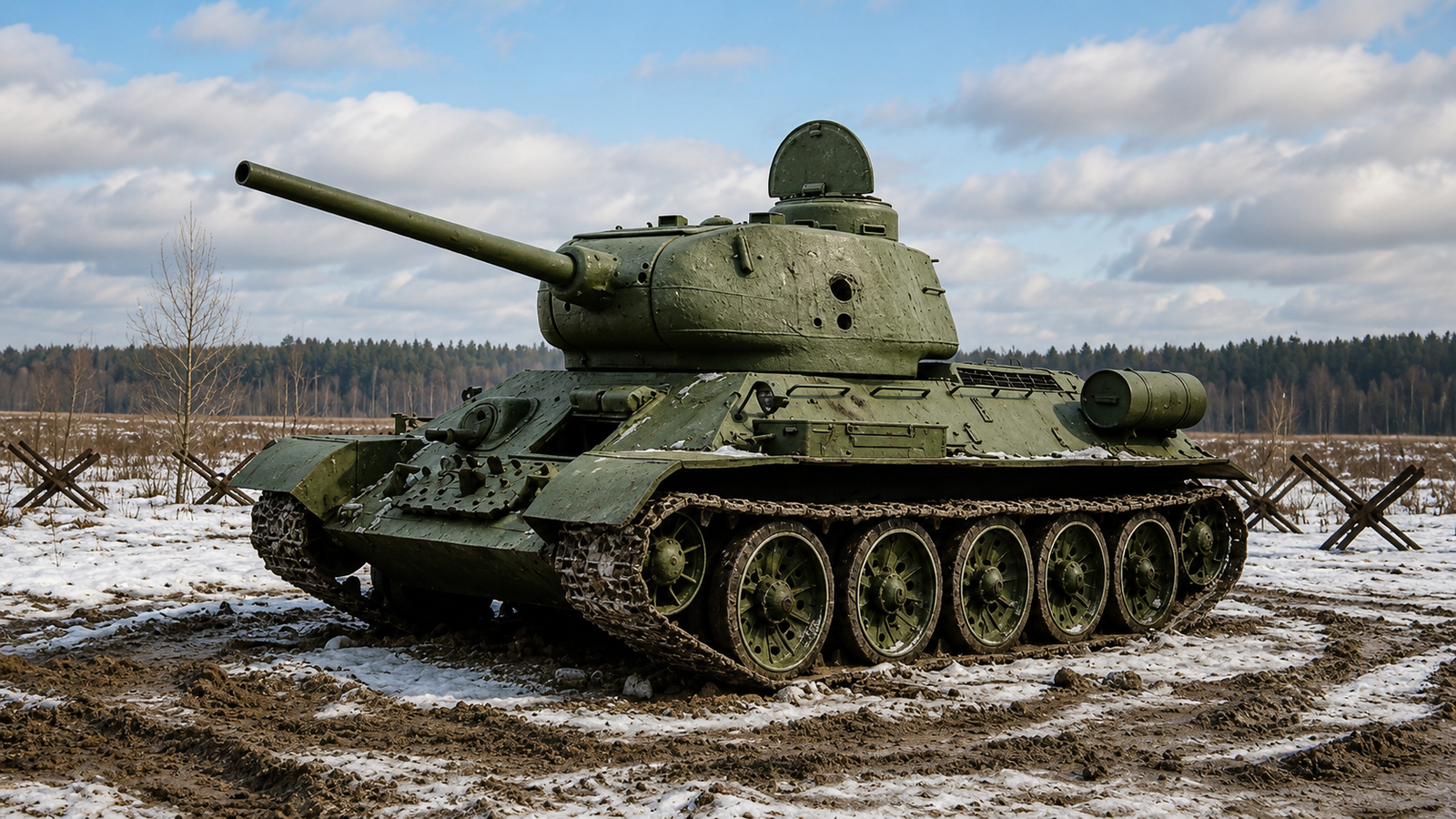
The T-34 went down in history as one of the main symbols of Victory and the most mass-produced Soviet tank of the Great Patriotic War. However, the success of this machine was determined not only by its combat characteristics but also by the industry's ability to produce tanks in huge quantities even under conditions of factory evacuation, equipment shortages, and severe time constraints. Yury Maksarev, an engineer and production organizer, played a key role in this, under whose leadership the flow-line production of T-34s was established in the Urals during the war years. Read more in the article.
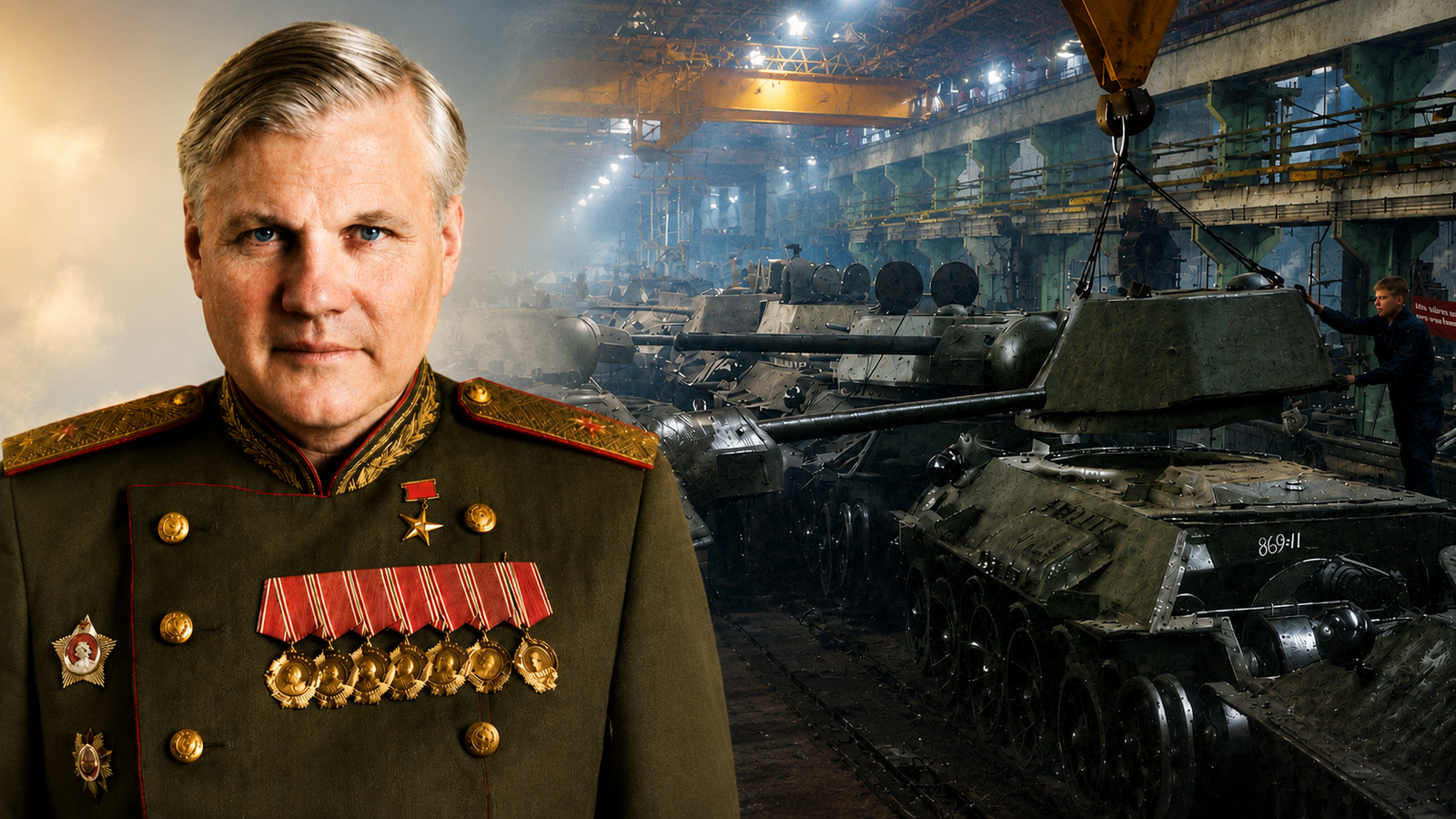
Yury Maksarev: the man who made the T-34 a mass phenomenon
Yury Maksarev did not create the T-34 from scratch. However, his main task was no less important — to establish production so that tanks could leave the factories every day and in huge quantities.
The front required a constant flow of military equipment, which could not be stopped even during factory evacuations, equipment shortages, and the most difficult war conditions.
This was crucial. Even the most powerful and modern tank could not seriously affect the situation at the front if it was produced too slowly. The T-34 had to become not only an effective combat vehicle but also a truly mass phenomenon.
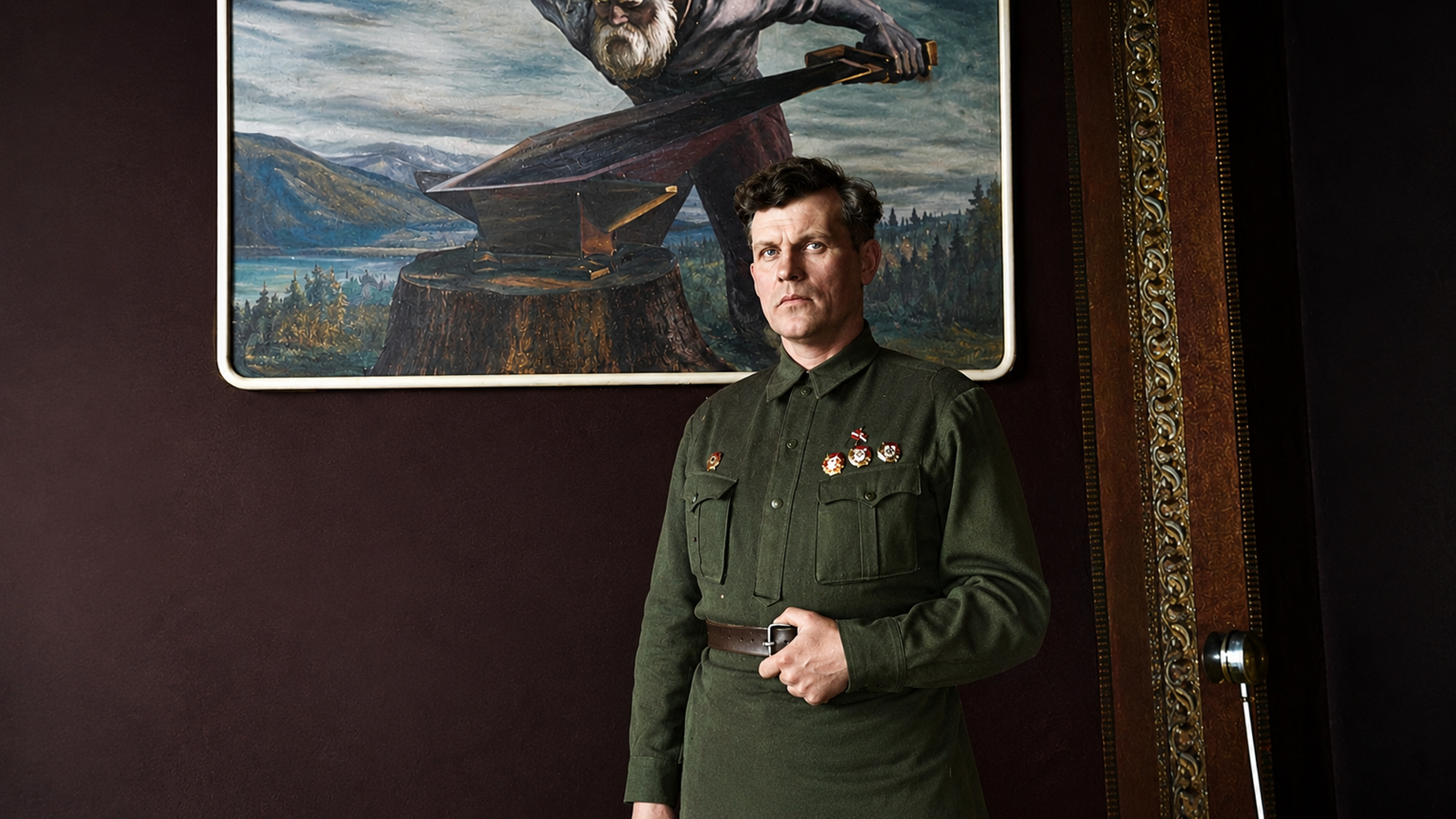
From master to tank factory director: how Maksarev entered big industry
Yury Maksarev was born in 1903. In 1930, he graduated from the Leningrad Technological Institute and received a degree as an engineer-technologist.
After that, he went through a real factory school. He worked as a master, mechanic, shop foreman, and headed the tank department at the Kirov Plant. Maksarev knew production from the inside — the shop, machines, workers, and the importance of achieving results on time.
In 1938, he was appointed director of Kharkov Plant No. 183. This was one of the main centers of Soviet tank building.
It was there that the history of mass production of the T-34 began. But the main test for Maksarev began after Germany's attack on the USSR.
Evacuation of Plant No. 183: how T-34 production was moved from Kharkov to the Urals
In the autumn of 1941, Plant No. 183 was evacuated from Kharkov to the Urals — to Nizhny Tagil. It was necessary to practically dismantle a huge production facility, transport machines, parts, documentation, specialists, workers — and then almost immediately restart everything in a new location.
In peacetime, such a task would have taken years. But the front needed tanks. The Uralvagonzavod was chosen for a reason. It already had large mechanical assembly shops, a metallurgical base, and an energy facility. A powerful tank center could be created on this site.
As a result, in Nizhny Tagil, evacuated enterprises merged on the basis of Uralvagonzavod. Archival materials refer to this as the merger of 13 productions. This is how one of the largest tank factories in the world was created.
But the start was extremely difficult. There was a shortage of space, equipment, time, and skilled workers. Some people were just getting used to the new place. Production chains had to be reassembled.
And yet, by the end of 1941, the first batch — 25 tanks made from parts and components brought from Kharkov — had been assembled in the Urals. For wartime, this was a crucial signal, as production was restored, and tanks were again going to the front.
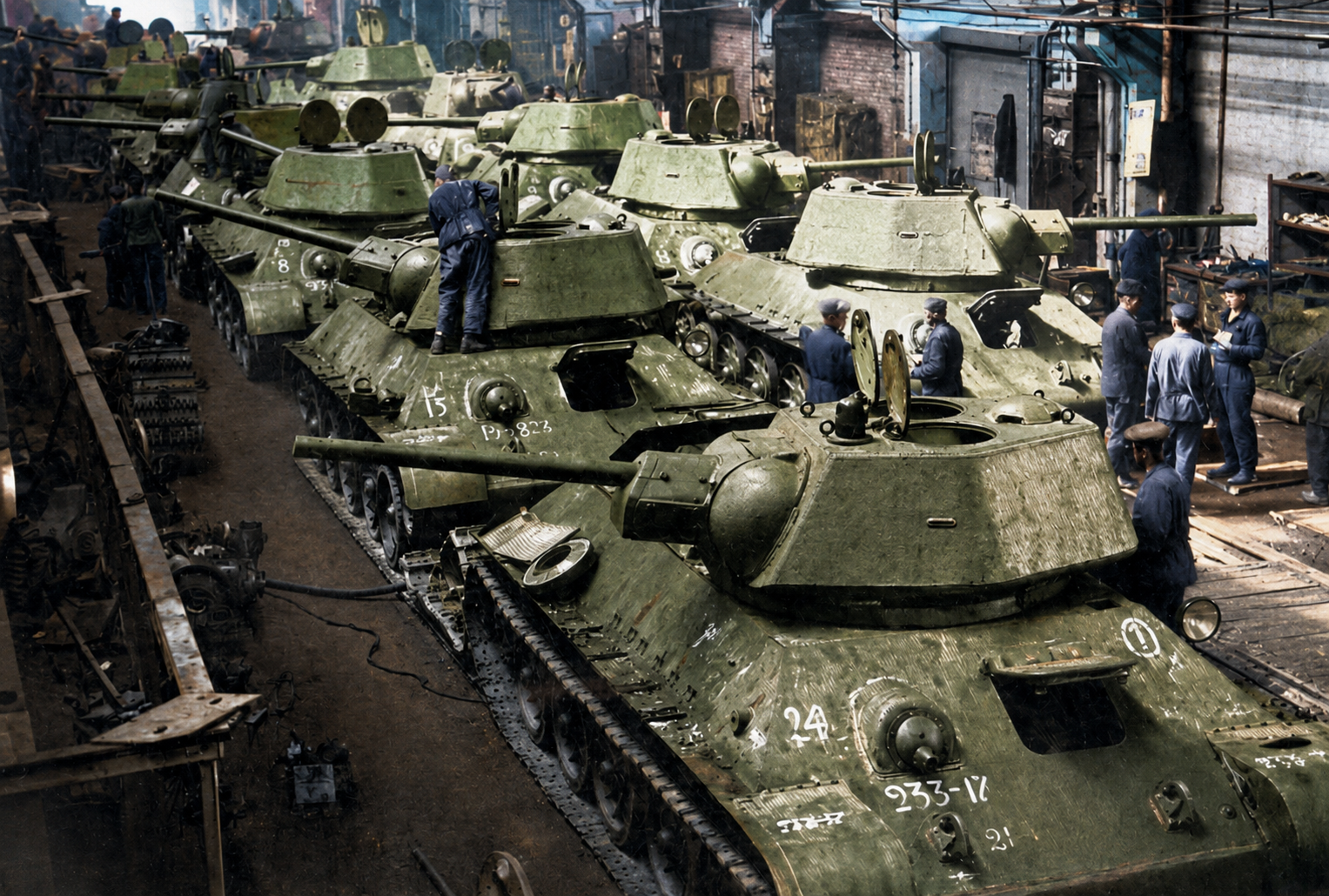
The first tank conveyor: how T-34s began to be produced every day
Maksarev's idea was seemingly simple in meaning but incredibly difficult to execute. The tank had to be assembled not as a separate complex machine, but as a flow.
Tank production began to be built in a new way. Each operation was thought out in advance, broken down into stages, and became part of the overall rhythm of the factory's work. If earlier the T-34 was largely assembled as a complex, one-off product, where much depended on the experience of specific masters, the conveyor completely changed the approach. Now the factory worked as a single mechanism: some workshops prepared parts, others assembled units, and still others performed subsequent operations.
Thus, a system of flow-line tank production appeared in Nizhny Tagil. On December 18, 1941, the first T-34 rolled off the world's first tank conveyor. In January 1942, flow lines began to be organized at the Ural Tank Plant.
This sharply increased the output of combat vehicles. The factory was able to send an entire echelon — 25-30 tanks per day — to the front. For a country fighting a brutal war, such a pace was of great importance.
30 tanks per day: how Uralvagonzavod reached a record pace
In 1942–1943, T-34 production in Nizhny Tagil rapidly expanded. New workshops were built at the factory, modern forging and pressing equipment was installed, and the work of production areas was reorganized.
Tanks needed to be produced faster and in much larger volumes. Gradually, production turned into a well-organized system, where unnecessary operations were eliminated, processes were accelerated, and a unified work rhythm was established.
The result was colossal: already in 1943, Uralvagonzavod produced up to 30 T-34 tanks per day. For wartime, this was an almost incredible pace. Every day, dozens of combat vehicles rolled off the conveyor and were immediately sent to the front.
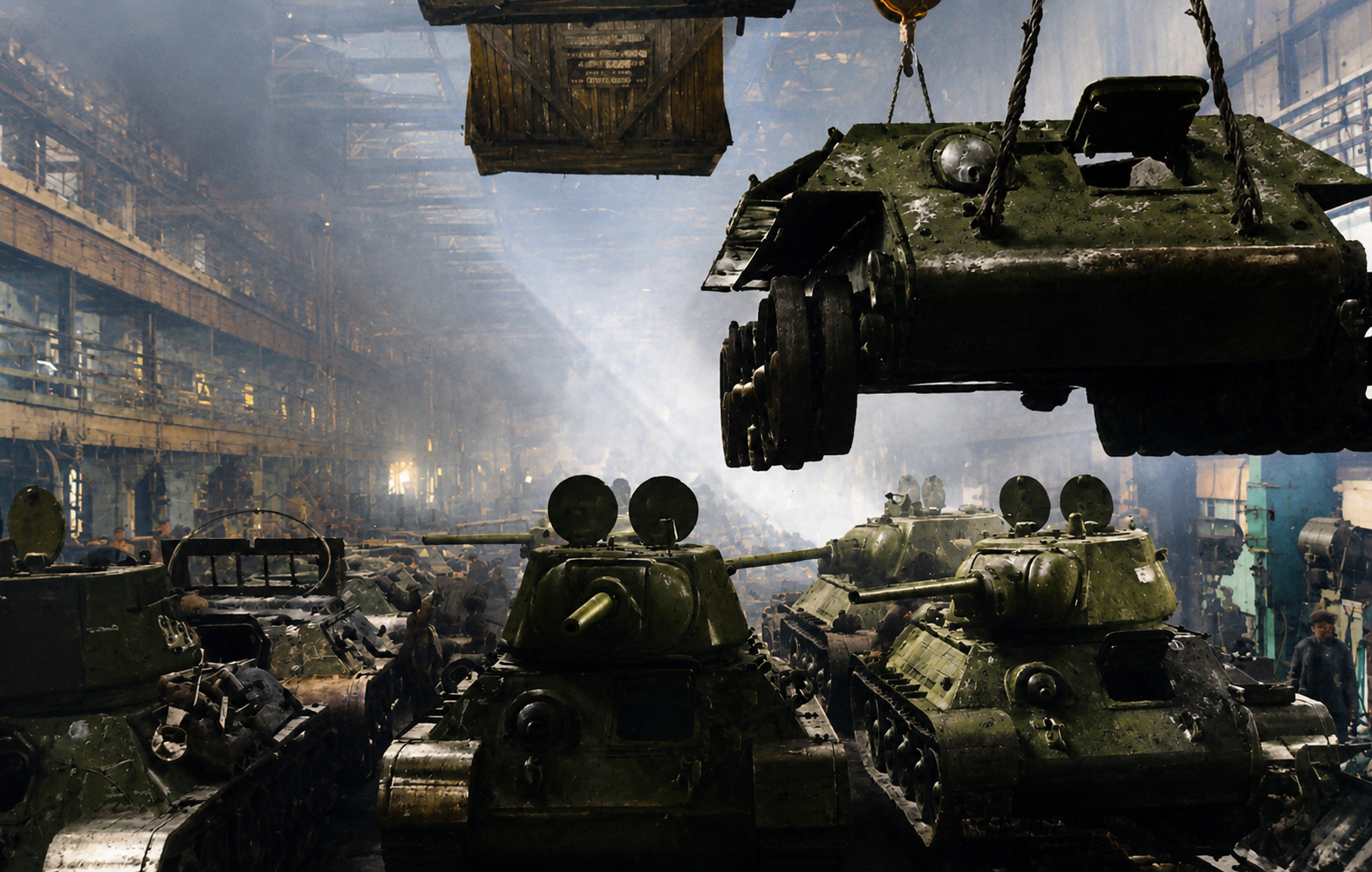
The T-34 was even reinforced with an 85 mm gun, but the conveyor still didn't stop
In 1944, the factory in Nizhny Tagil faced a new, extremely difficult task: the T-34 needed urgent modernization right during mass production. The tank received a new turret and a more powerful 85-millimeter gun. This was necessary because the war was changing: German tanks and anti-tank equipment were becoming increasingly dangerous, and the T-34 required reinforcement.
Usually, such changes seriously slow down equipment production. Any modernization means new parts, restructuring production processes, reconfiguring equipment, and training workers. But in Nizhny Tagil, they managed to update the tank's design without reducing assembly rates.
Automatic armor welding: a technology that accelerated T-34 production
One of the most important technologies in T-34 production was automatic armor welding, associated with the developments of academician Evgeny Paton. For the military industry, this was a real technological breakthrough.
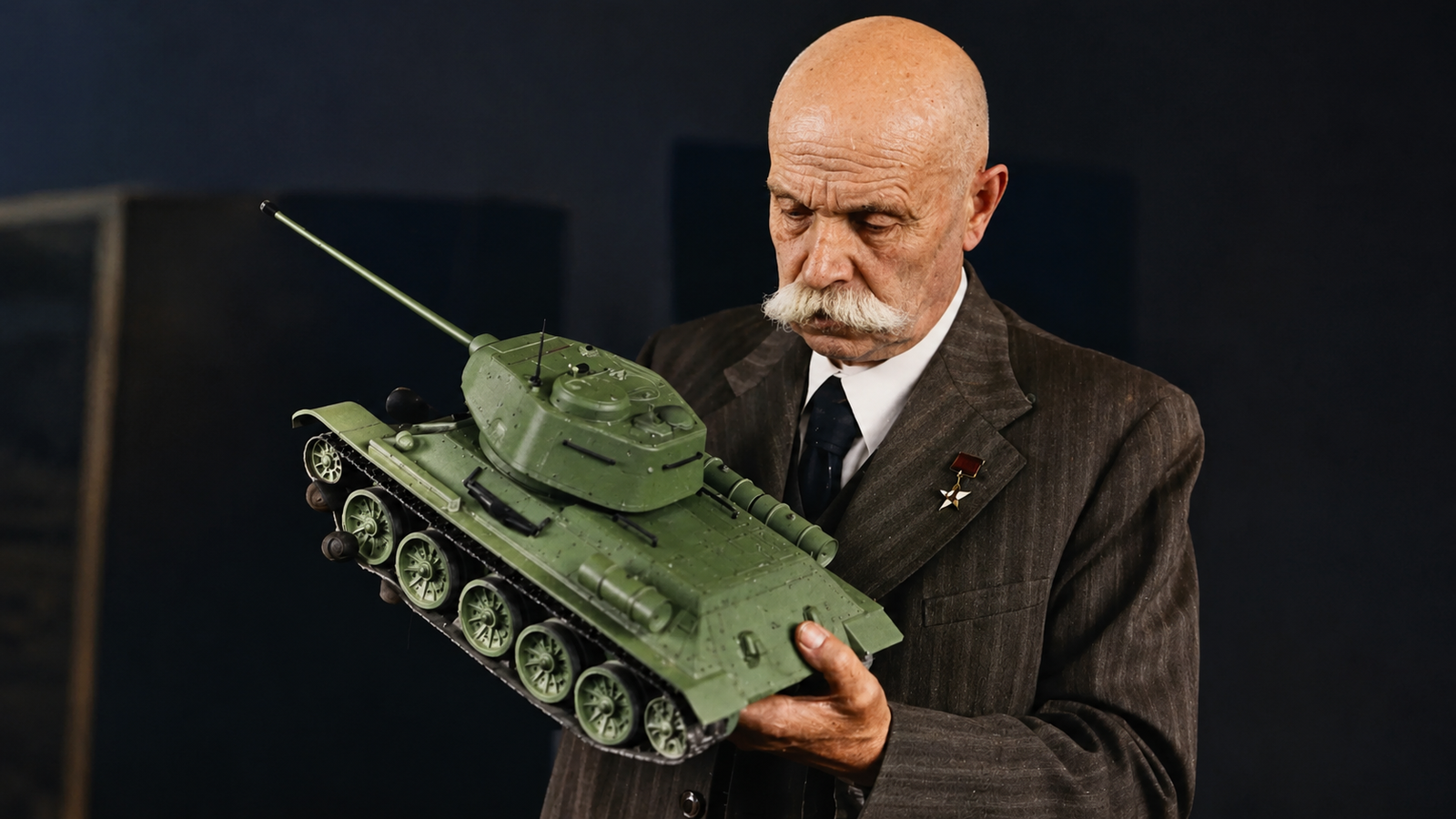
Previously, the welding of armored parts largely depended on the experience of highly qualified specialists, who were constantly in short supply during the war. The automatic system allowed part of the work to be performed faster, more stably, and in larger volumes. This seriously accelerated tank production.
In addition, such welding provided a very strong connection of armored plates. The weld seam, in some cases, could even be stronger than the armor itself.
Thousands of tanks from Nizhny Tagil: a scale that changed the course of the Great Patriotic War
During the Great Patriotic War, the factory in Nizhny Tagil produced tens of thousands of tanks. In total, over 55,000 T-34s of various modifications were created during the war, and every second one was assembled by the hands of Ural craftsmen.
For comparison: the German Pz. IV, Germany's most mass-produced tank, was produced in quantities of more than 8,000 vehicles. However, Soviet industry won both with technical solutions and scale.
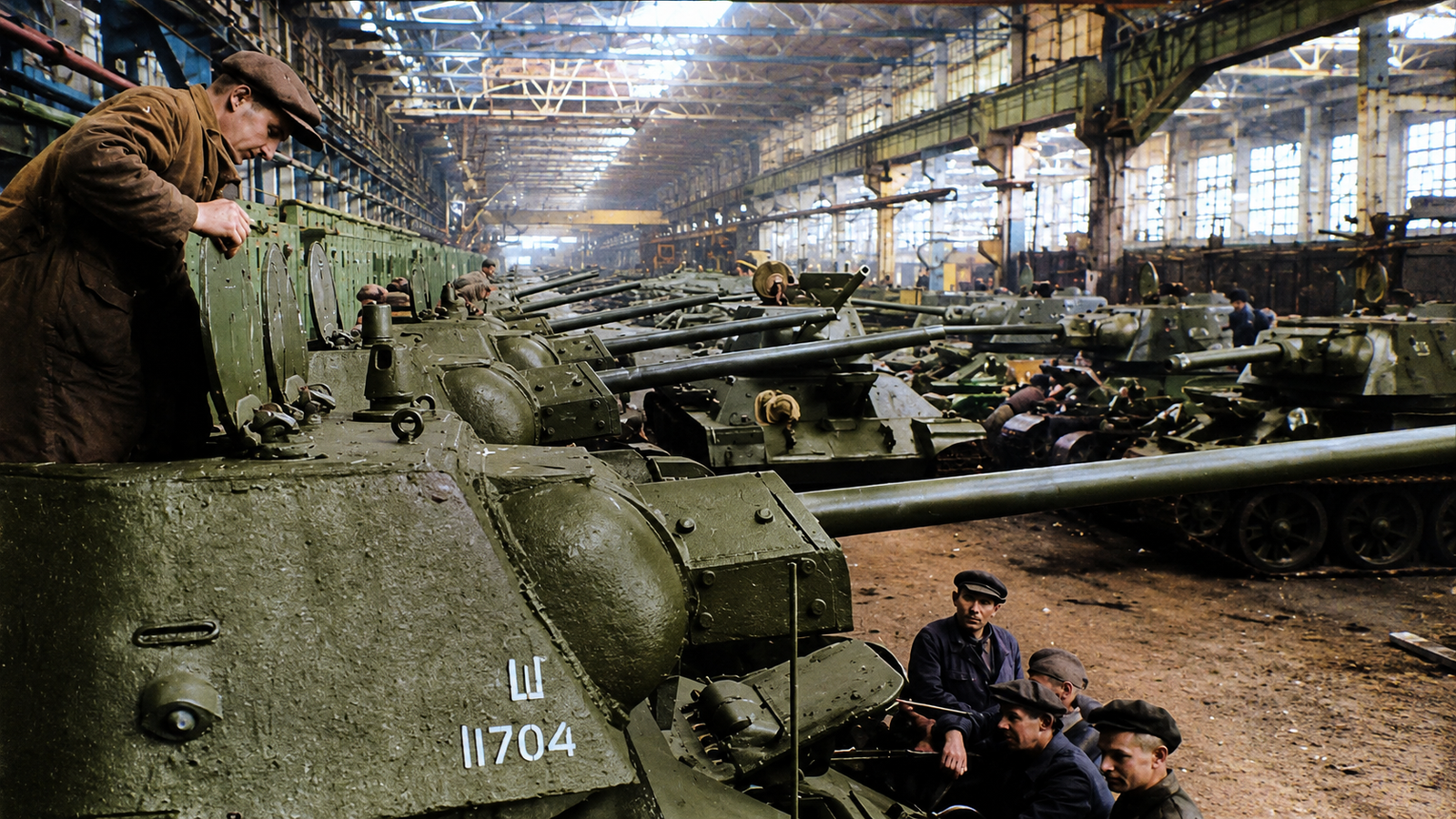
After the war, Yury Maksarev continued to work in heavy industry. In January 1950, he became the Minister of Transport Machine Building of the USSR. Under his leadership, a new stage of army re-equipment began. Combat vehicles of the first post-war generation — the T-54, the heavy T-10, and the amphibious PT-76 — entered service.
Read more on the topic:
Never miss our newsAdd this site to your preferred sources to see us more oftenAdd on Google

















