Translated with AI from the Russian original.
In the age of neural networks that have learned to create videos with perfectly synchronized voice and movements, it can be difficult to distinguish a fake from real videos. Yaroslav Seliverstov, a leading expert in the field of artificial intelligence at the "University 2035," explained what to look for.
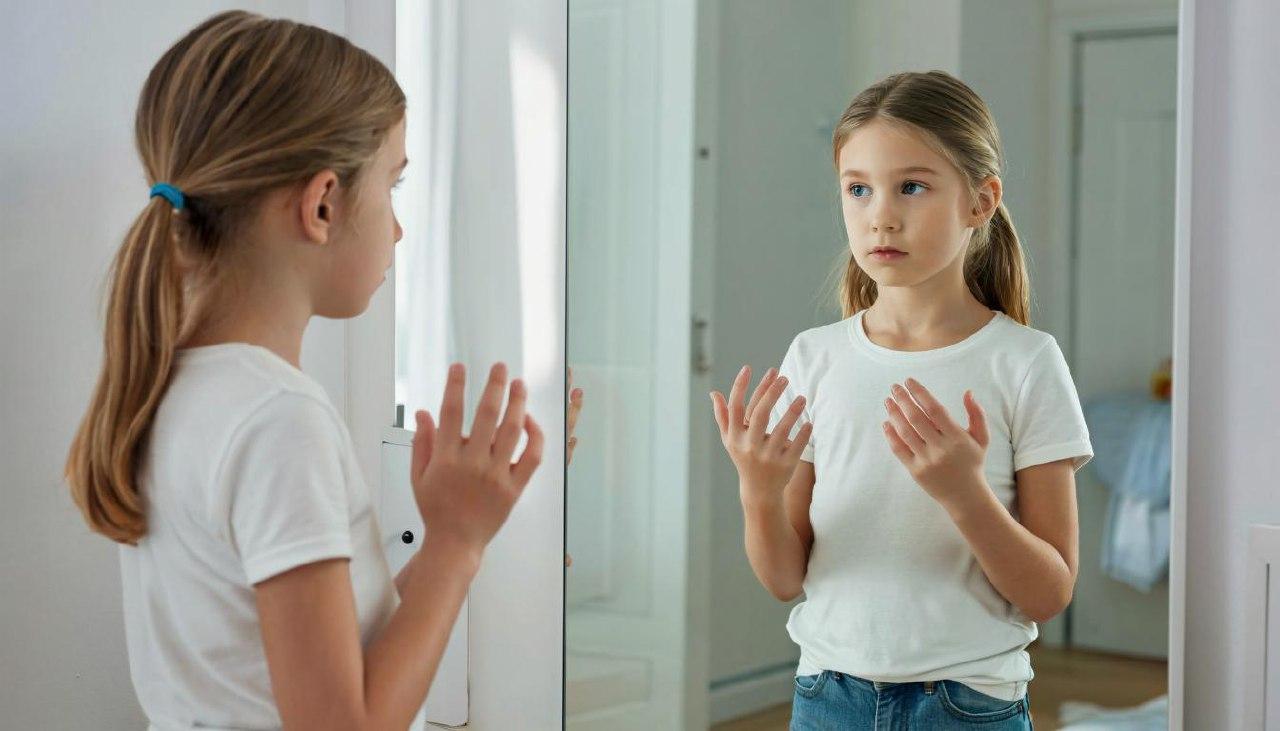
Modern models like Sora from OpenAI, Runway Gen-2 and Gen-3, Pika 2, Synthesia, Kaiber, and voice engines ElevenLabs and Coqui.ai allow you to create photorealistic videos with perfectly synchronized voice and movements, the expert notes.
Neural networks have learned not just to draw, but to create reality. If earlier video generation required weeks of rendering and gigabytes of data, now a couple of words are enough.
First of all, you should look at the physics of movements: artificial intelligence has a poor sense of mass, inertia, and gravity. People and animals move too easily, objects bounce without logic, and water droplets fly in implausible arcs. During real shooting, the body always interacts with the surrounding space through unevenness of movements, the smallest jerks, unpredictability of the trajectory. Whereas AI is not yet able to recreate the plausible kinetics of the living world.
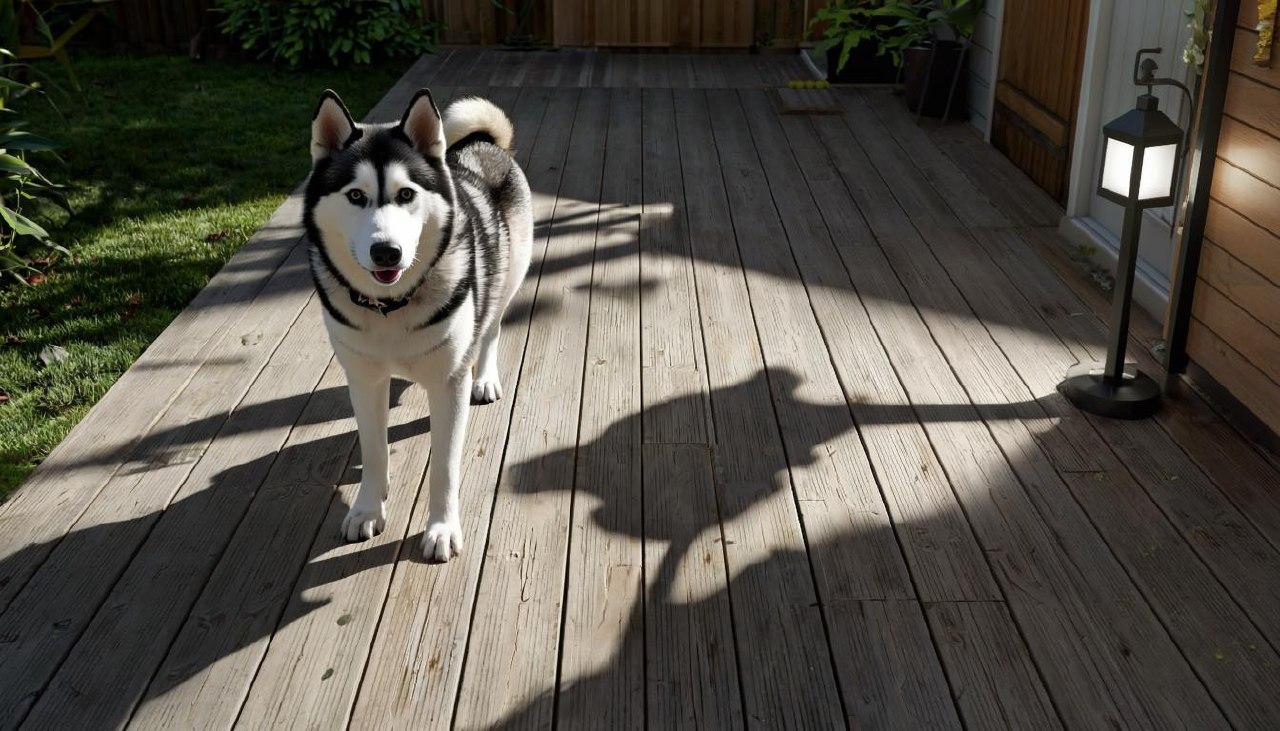
The second sign of AI involvement is errors in light and shadow. In generated videos, there are often several light sources, but they do not coincide in direction. The shadow may fall not where it should, or be absent altogether. You should also pay attention to the background or the background - it often gives out the generation. Trees may be repeated, the faces of random passers-by seem to be drawn, signs and inscriptions are not readable. At the edges of the frame, inconsistencies are more noticeable.
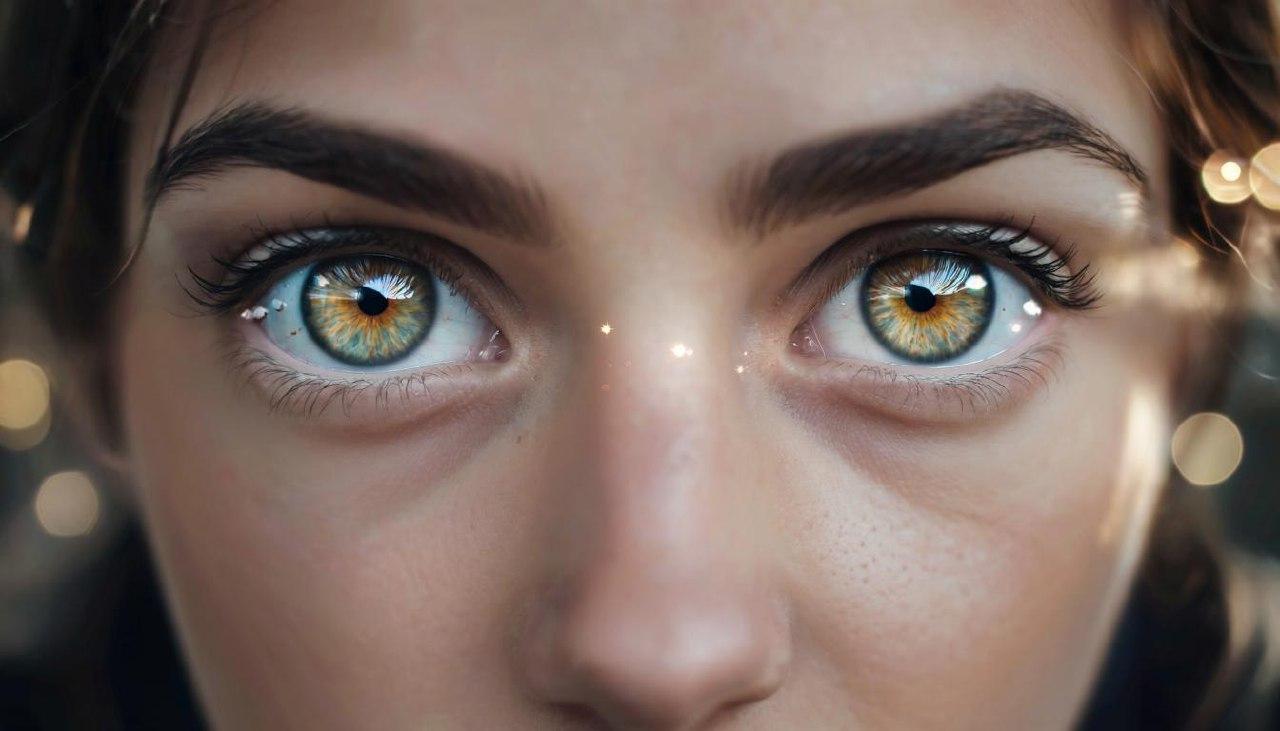
You can also recognize AI by the eyes: the pupils may be asymmetrical, glare in different places and move strangely. Sometimes the gaze "floats" as if a person is looking through the camera, not into it.
In AI videos, the smile is "glued", the eyes do not move synchronously with the emotion, and the lips move slightly earlier or later than the sound. When laughing, the skin does not move, when surprised, the eyes remain lifeless.
Unrealistic textures are another obvious sign. The fur of animals often looks plastic, the skin - like silicone, the fabric - without folds. The neural network also often gives out mirrors and puddles: reflections lag behind, move differently or simply disappear. Sometimes in the mirror there may be a different angle of the face or even a different scene.
Well, and the classic mistake of AI is considered to be the fingers - they can intertwine, disappear or seem "rubber".
Read more materials on the topic:
- The number of fake videos about disasters created by AI is growing on social networks
- AI fakes will not pass: a service for marking content created with the help of neural networks is being created in Russia
- Created not by a human: The State Duma proposed to mark content created by neural networks
Never miss our newsAdd this site to your preferred sources to see us more oftenAdd on Google

















