The news about the development of a nuclear-powered underwater gas carrier in Russia has caused a wide resonance in the world, which is quite natural, notes the Chinese edition Sohu. Such vessels are capable of revolutionizing the global system of liquefied natural gas delivery.
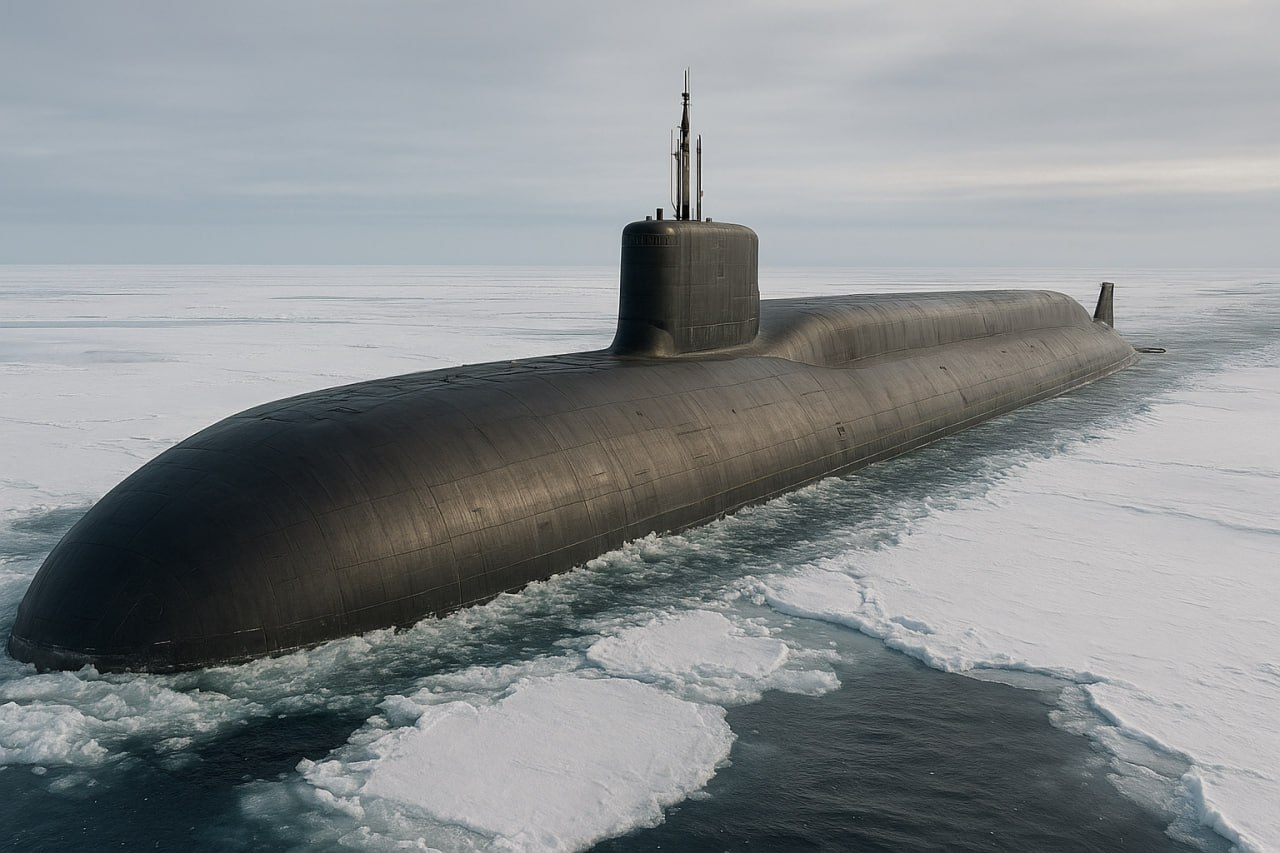
The global scientific and technological community was struck by the news of Russia's plans to create an "underwater giant" - a nuclear gas carrier larger than the Russian submarine "Typhoon". This gigantic project is even larger than the largest American aircraft carrier of the "Gerald Ford" type.
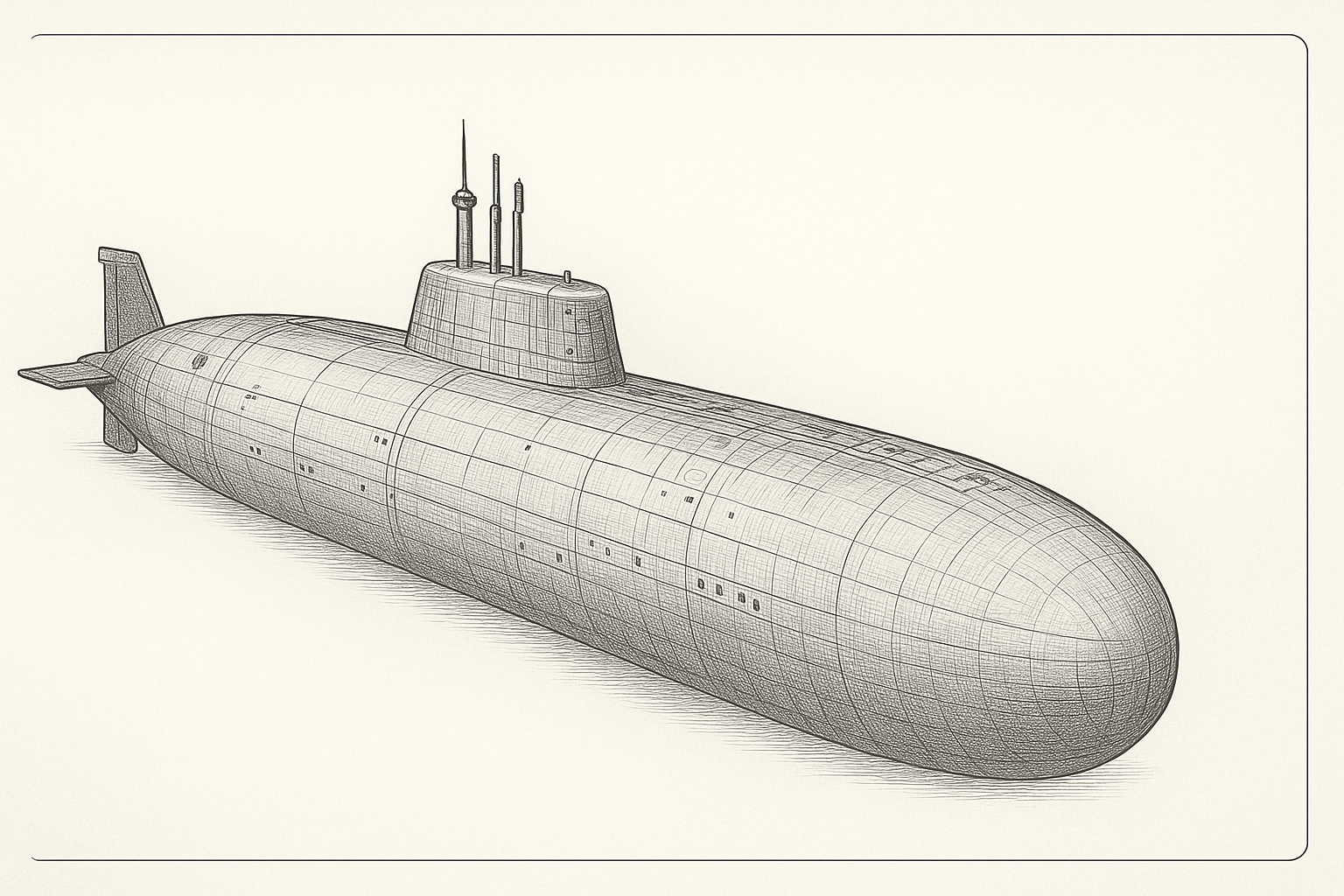
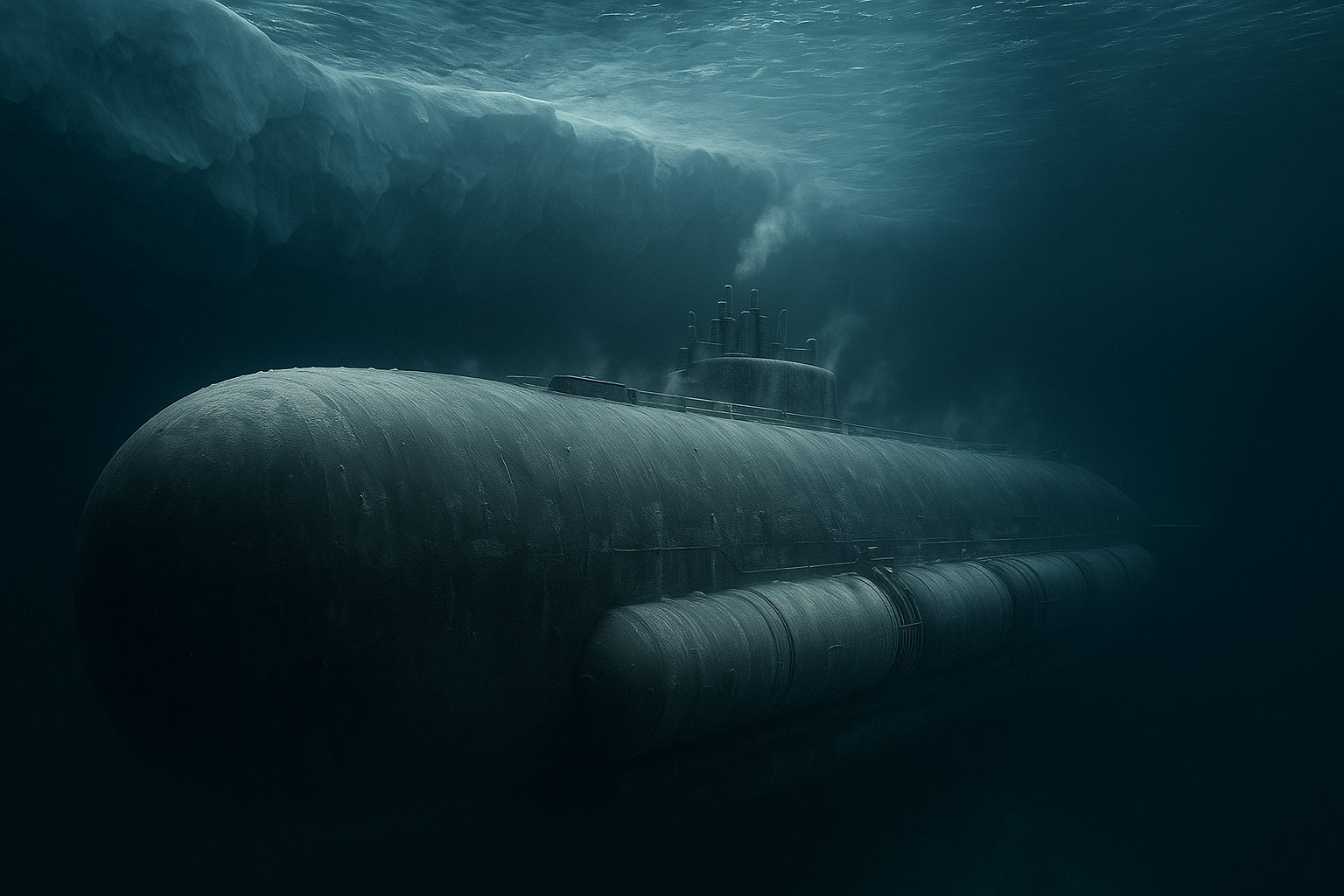
The dimensions of the underwater tanker are impressive: 360 meters long, 70 meters wide, and 30 meters high. This "floating steel beast" will silently cruise under the Arctic ice, transporting liquefied natural gas.
Imagine an underwater giant the size of an aircraft carrier sailing under the Arctic ice.
Russia is a leading global exporter of natural gas, and the Arctic has colossal reserves of it. The difficulty lies in the fact that traditional tankers find it difficult to transport these resources along Arctic routes. When the ice becomes thicker, tankers cannot pass, and nuclear icebreakers are required.
The nuclear-powered underwater gas carrier is designed to solve this problem. It can hold up to 180,000 cubic meters of liquefied natural gas, which is comparable to the volume transported by many conventional LNG vessels. It will be equipped with "Rhythm-200" reactors with a capacity of up to 90 MW, capable of breaking through ice at a speed of 31.5 kilometers per hour in a frost of minus 50 degrees and an ice thickness of up to 3 meters.
The tanker route from Murmansk to Shanghai takes one month, and the travel time of the new gas carrier will be only 15 days. In addition, fuel costs are expected to decrease by 30%, which will significantly increase Russia's competitiveness in the global market.
According to Chinese analysts, Russia sees this project as more than just a business initiative. The construction of this underwater tanker has enormous strategic importance. It is expected that the tanker-submarine, developing a speed of up to 17 knots, will be able to effectively bypass anti-submarine defense systems, opening up new opportunities for cargo transportation.
Earlierwww1.ru reported thata nuclear underwater tanker-gas carrier will be created in Russia.
Read more materials:
- There will be more aircraft: Rostec plans to increase the annual production of Il-114-300, SJ-100, MS-21 and Tu-214 by 2030
- Qualification tests of the inspector's seat for the import-substituted SSJ-100 aircraft have been completed
- The completion of certification of Il-114 and SJ-100 is planned for the beginning of 2026
Never miss our newsAdd this site to your preferred sources to see us more oftenAdd on Google