Translated with AI from the Russian original.
The Tu-304 project has roots almost 30 years ago, it was first launched in 1991. In 2010, when work on the aircraft entered an active phase, it was renamed the \"Fregat Ecojet.\"
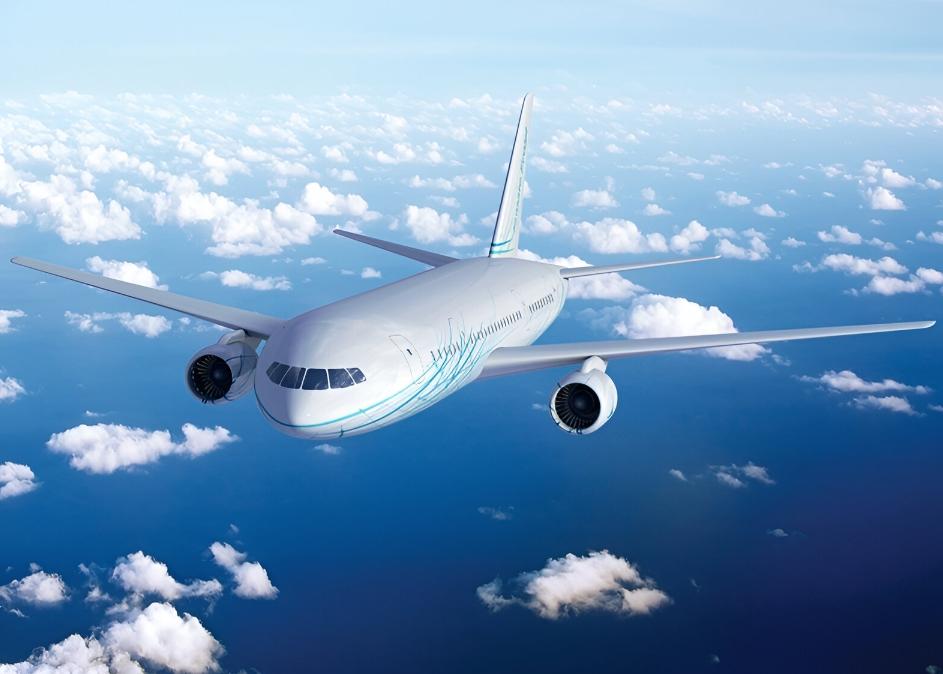
The new wide-body passenger aircraft was supposed to be used on medium-haul routes. The cabin with three aisles could accommodate about 300 seats, and under the wings - two engines with a thrust of about 20 tons each.
Dreams-dreams
At that time, the choice of available power plants was wide - options for domestic engines such as PS-90A-20 and PD-18R, as well as foreign ones, such as Pratt & Whitney PW1400G, Rolls-Royce Trent-500 and CFM LEAP-1, were considered.
The range of non-stop flight was limited to 3500 km with maximum load, the take-off weight was 140 tons. The \"Fregat\" could occupy the market niche of the outdated Il-86 (3800 km) by that time.
Four PD-14s at once in action
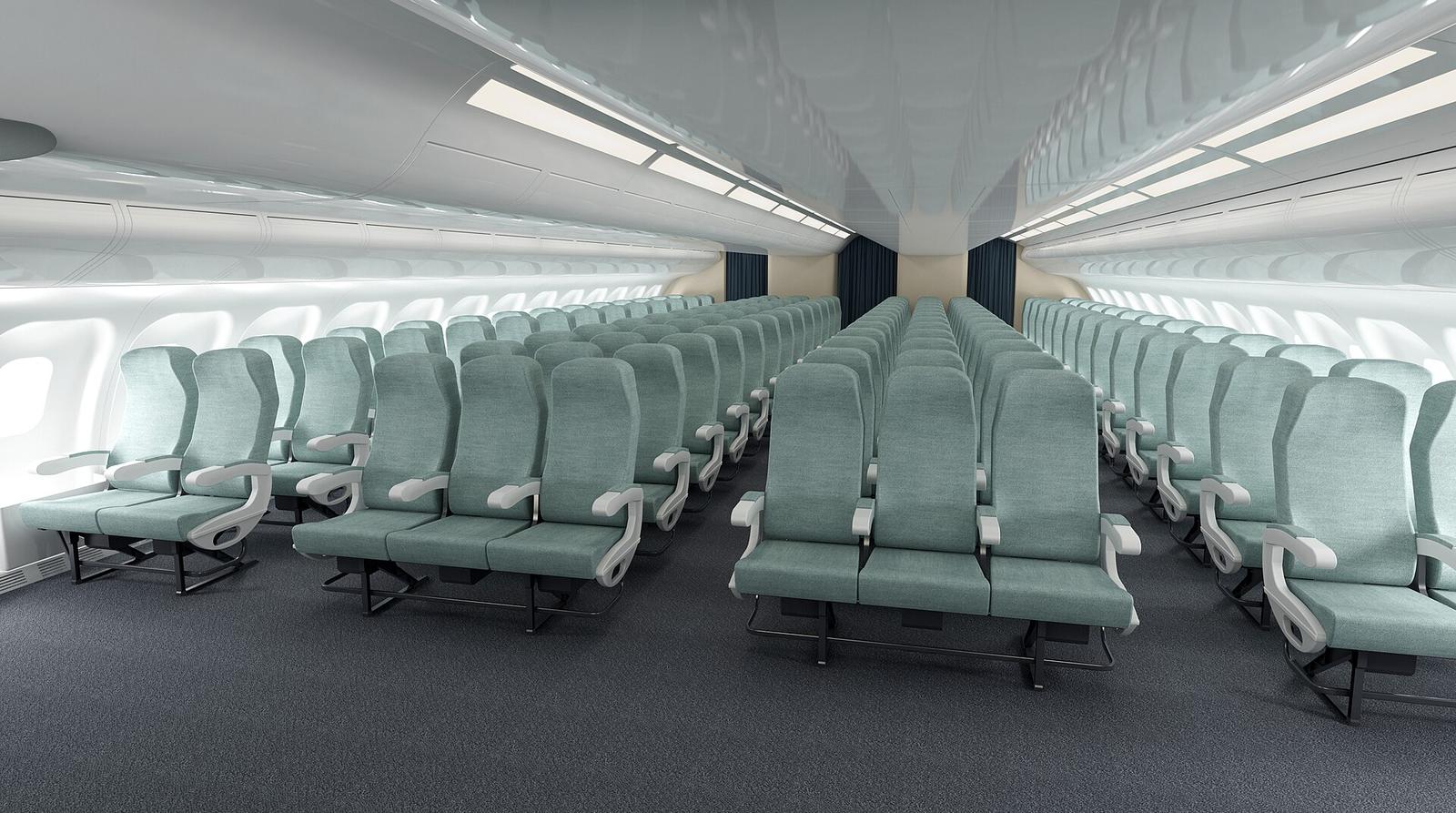
By 2017, Tupolev abandoned the idea of two engines, and specialists began to develop a design with four engines. The option of equipping the aircraft with four PD-14 units from the MS-21 aircraft was considered.
Four power plants could unload the wing and create a lighter main structure. These engines could be installed under the wing on long pylons, which would allow the use of a solid leading edge slat and divert airflow from the flaps, reducing noise and emissions.
The most striking feature of the jet is the three-aisle configuration and the unusual oval fuselage cross-section - an ellipse flattened from the bottom and top instead of the usual smooth circle.
General technical data of \"Fregat Ecojet\" (in brackets for \"Fridget\"):
- Weight of equipped and empty aircraft - 140.4 and 84.86 tons
- Weight of fuel in the wings - 32.3 tons
- Power plant - a pair of PD-18R or PS-90A-20
- Cruising speed - 840 (850) km/h
- Range - up to 3500 km
- Passenger capacity - up to 352 (in business class - 280, medium - 302) people
It is possible to install a central tank: in this case, the aircraft will be able to fly up to 8000 km. Compared to the A300 or Il-86, the new vessel is 80 tons lighter and 30% shorter.
The end or not?
It was also planned to introduce an electronic steering system, modern avionics, air conditioning and an anti-icing system. This eliminated the need for an additional air extraction system and made the engines more efficient.
With these innovations, the take-off weight was reduced by 6-10%, fuel consumption - by 8-12%, and direct operating costs - by 5-10%.
Alas, in 2020, the then project manager Alexander Klimov stated: work on the new aircraft is being stopped, and all developments are being frozen indefinitely. However, no official confirmation followed.
Earlierwww1.ru reported thatRussia will invest 765 billion rubles in the project \"Production of aircraft and helicopters\".
Read also materials:
Russia is completing the construction of 7 new aircraft, 3 helicopters and 6 aircraft engines
Never miss our newsAdd this site to your preferred sources to see us more oftenAdd on Google

















