Deputy Foreign Minister Sergei Ryabkovmade an important statement: "There are no grounds for a full-fledged resumption of the New START (Strategic Arms Reduction Treaty - START-III) in the current circumstances. And given that the treaty completes its life cycle in about eight months, the conversation about the feasibility of such a scenario is losing its meaning."
So what happens next? Will the strongest countries in the world go into a missile frenzy? Let's figure it out.
What is START?
Currently, the third of such treaties is in effect between the United States and Russia - START-III. The first - START-I was signed in 1991. In 1993, START-II appeared. All of them limited the number of strategic offensive arms of the contracting parties (USA and Russia). The third, still in effect, is about the same.
It provides for the reduction of nuclear arsenals of the United States and Russia to strictly defined limits. No more:
- 700 units - deployed intercontinental ballistic missiles (ICBMs), submarine-launched ballistic missiles (SLBMs) and heavy Bombers;
- 1550 units - nuclear warheads installed on these carriers;
- 800 units - deployed and non-deployed launchers (up to 100 non-deployed carriers may be in reserve).
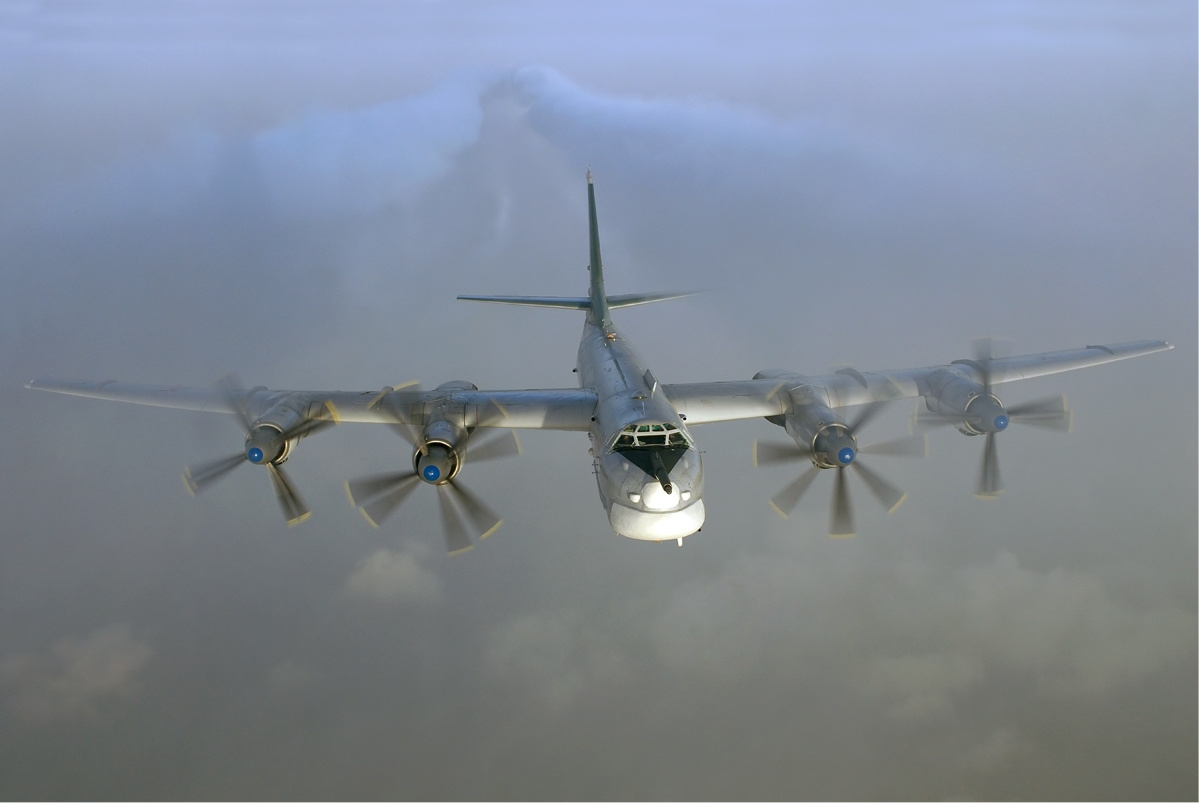
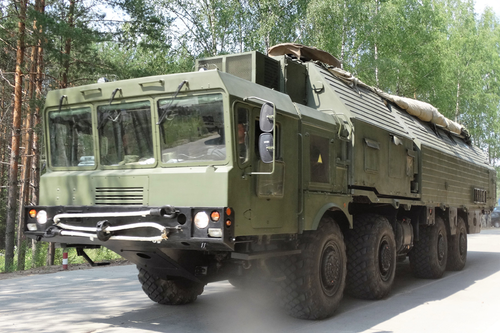
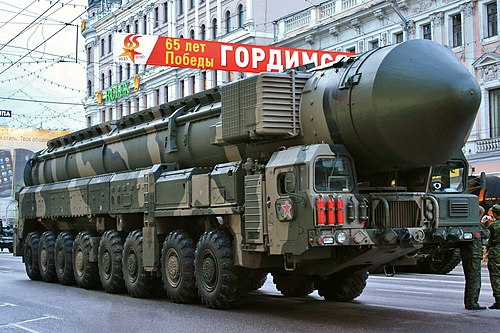
Bombers Tu-95MS, strategic complexes "Yars" and "Topol-M" fell under the scope of the Treaty on our side. In the US arsenal are intercontinental missiles Minuteman II and III, bombers B-52 Stratofortress, capable of carrying cruise missiles with nuclear warheads.
Who signs START?
The last START-III treaty was signed in Prague on April 8, 2010 by the presidents of Russia and the United States - Dmitry Medvedev and Barack Obama. The treaty was designed for 10 years with the possibility of extension by mutual agreement of the parties for another 5 years.
On January 27, 2021, the State Duma and the Federation Council ratified the agreement between Russia and the United States on the extension of START-III. It ends on February 5, 2026.
Earlier www1.ru reported that the new Rodnik 3D radar was created for the military, but it is not able to detect small drones.
Read also materials:
Blinds tanks: the most important weapon of the Terminator revealed
Crawled into a burrow: footage of the work of the newest ground drone "Krot-1" appeared
Breathtaking: epic video of the synchronous flight of the Su-35C and Su-30SM
Never miss our newsAdd this site to your preferred sources to see us more oftenAdd on Google

















