The Il-62 aircraft (NATO codename: Classic) was the first Soviet turbojet long-range passenger airliner of intercontinental range. It was developed at the Ilyushin Design Bureau in 1960, taking into account global requirements for aircraft of this class, to replace the Tu-114 and Il-18 aircraft.
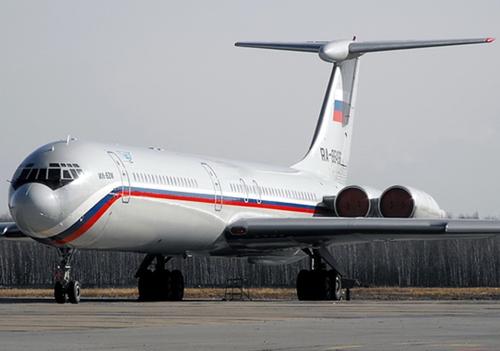
In terms of technical perfection, the Il-62 corresponded to the "second generation" turbojet passenger aircraft. A group of design engineers from the Design Bureau were awarded the Lenin Prize for the creation of this aircraft. The first flight was made on January 2, 1963, and four years later it went into operation, officially becoming the first domestic airliner of intercontinental range.
The Il-62, capable of making non-stop flights to the Far East from Moscow, was considered a marvel of technology in the early 1970s. Production models became the main aircraft of Aeroflot.
Tests and subsequent operation of the new machine confirmed its effectiveness both in the technical sense and in relation to the basic amenities for passengers. In flight, the Il-62 is quiet and comfortable. The flexible wing absorbs most of the loads from turbulence, passengers hardly feel any shaking when the aircraft passes through areas of turbulent air. Passengers are spared from noise, shaking and vibration in flight.
The Il-62 turbojet long-range airliner and its subsequent modification, the Il-62M, provided comfort and high flight safety for passengers, and also served the further development of international lines.
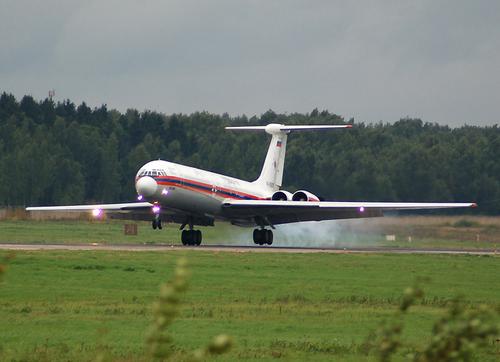
Passenger transportation started in 1967. In total, more than 290 aircraft were produced during the serial production. 86 airliners were delivered to other countries, some of which are still in operation.
Technical characteristics of the Il-62M aircraft:
- Wingspan - 43.2 m
- Aircraft length - 53.12 m
- Aircraft height - 12.35 m
- Weight - 71 600 kg empty aircraft, 165 000 kg maximum takeoff
- Cruising speed - 850 km/h
- Practical range - 8 800 km
- Passenger capacity - 186 people
- Crew - 5 people
Earlier,www1.ru reported thatRussian fiber optic FPV drones proved to be completely invulnerable to electronic warfare at the forefront. The new type of UAV does not require careful selection of position and is protected from interception of the video signal.
Read materials on the topic:
Incredible "Oreshnik" and mighty FAB-3000: the main defense premieres of 2024 have been named
Unique footage of tests of the Russian "mother" of combat FPV drones has appeared
Never miss our newsAdd this site to your preferred sources to see us more oftenAdd on Google