MIPT specialists have created the first technology in Russia for manufacturing transistors from molybdenum disulfide – a two-dimensional material that can replace silicon. The development paves the way for more compact, flexible, and transparent electronic devices.
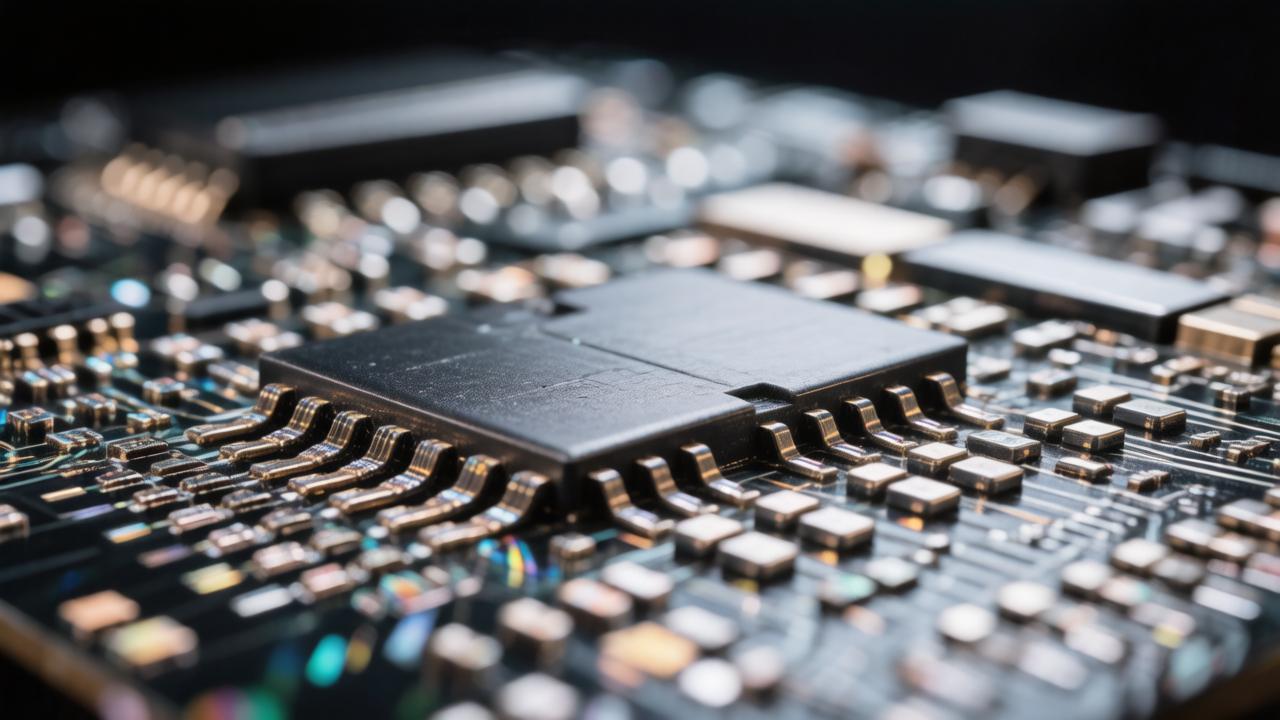
Silicon is approaching its physical limit: at structural thicknesses of less than 2 nanometers, energy leakage and overheating occur. Molybdenum disulfide allows this thickness to be reduced to 0.65 nanometers, and the energy efficiency gain can reach hundreds of times, explained Ilya Zavidovsky, a senior researcher at MIPT. The new material is compatible with existing computing systems, which simplifies its integration into production.
The main problem when using molybdenum disulfide is the fragility of the structure, which was damaged when electrodes were applied. MIPT scientists solved this by using atomic layer deposition and creating a protective interlayer of titanium dioxide a few atoms thick. The developed approach is universal: it can be applied to other two-dimensional materials – tungsten disulfide, molybdenum selenides, and tungsten selenides.
In January 2026, China's Shanghai Atomic Technology launched the first demonstration line for the production of microprocessors from molybdenum disulfide. Similar work is also underway in Russia: in March 2025, it was reported that a prototype silicon carbide-based transistor was created at LETI. The transition to new materials is especially important for the development of artificial intelligence, where the key problem is high energy consumption.
Read more on the topic:
Never miss our newsAdd this site to your preferred sources to see us more oftenAdd on Google

















