Translated with AI from the Russian original.
The Plenum of the Supreme Court explicitly included digital rubles in the list of property that can be stolen, seized, or otherwise misappropriated. Along with them, the updated clarifications included cashless money, cryptocurrency, digital rights, and uncertificated securities.
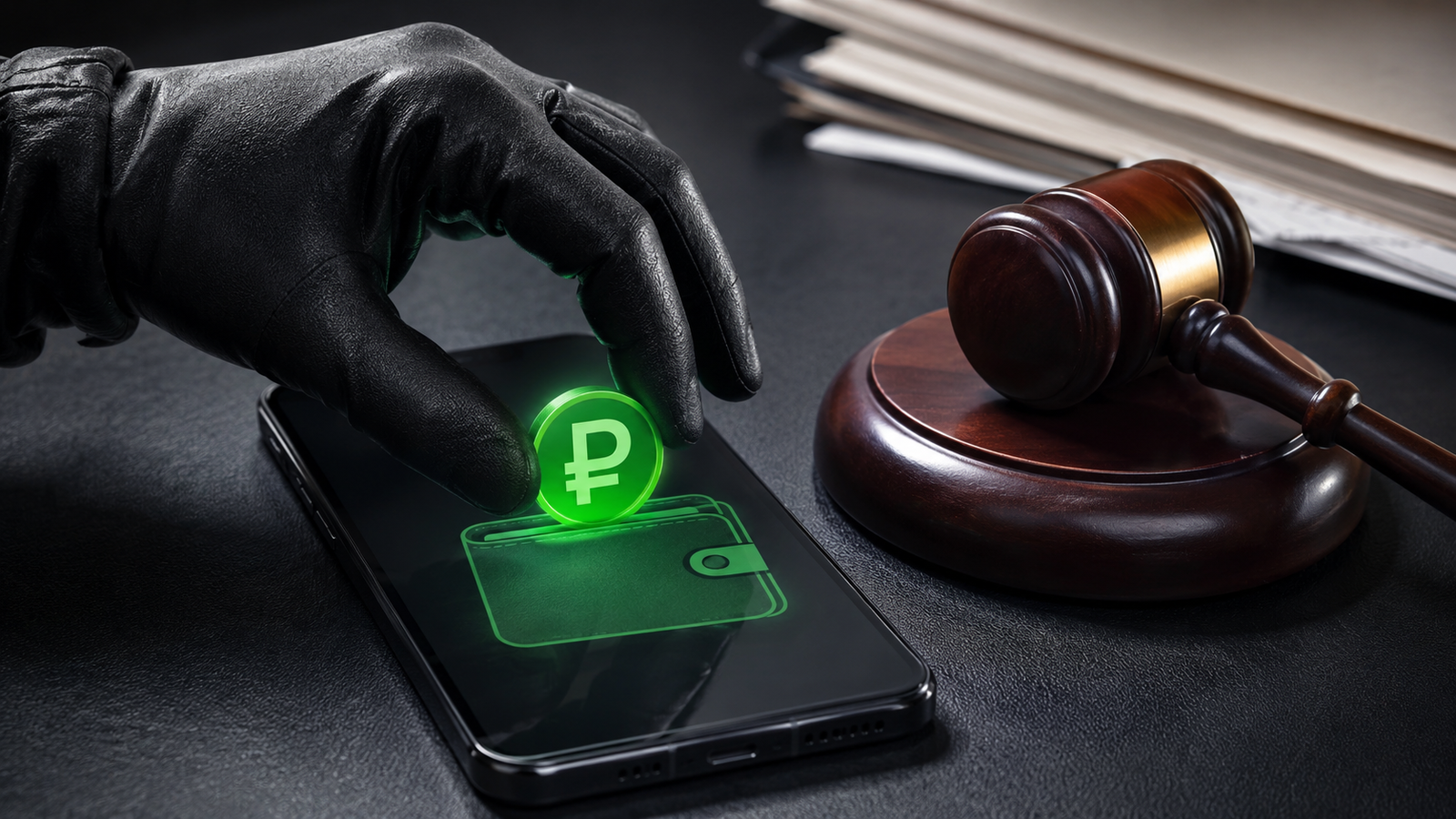
The same principle will apply to the digital ruble as to money in a bank account: the crime is considered committed at the moment the funds are debited. The law classifies thefts from bank accounts and electronic wallets as serious crimes, regardless of the amount of damage.
The court updated the resolution on thefts, robberies, and brigandage, which had been in effect since 2002. At that time, neither cryptocurrencies, nor digital rights, nor the digital ruble existed in Russian law. However, the digital ruble is not a cryptocurrency, but the third form of the national currency alongside cash and cashless money. It will be stored on the Bank of Russia platform, and only the Central Bank will be able to issue it.
Mass phased implementation of the digital ruble is planned from September 1, 2026. The Supreme Court has already established the main point: the digital code on the Central Bank platform will be protected in the same way as money in a wallet or on a card.
Separately, a more convenient path to court is being prepared for victims of phone scammers. The State Duma is considering amendments that will allow claiming the return of stolen money not only at the place of residence of the cardholder to whom the transfer went, but also at the place of residence of the victim or the place of investigation of the criminal case. This should relieve victims of the need to travel to another region to sue the dropper.
Read more on the topic:
Never miss our newsAdd this site to your preferred sources to see us more oftenAdd on Google

















