New environmental measurements have been conducted in the area where the K-159 nuclear submarine sank in the Barents Sea: scientists collected samples of water, bottom sediments, and biological specimens to assess the potential impact of the radioactive legacy on the marine environment. The work was carried out by the Roshydromet Arctic expedition on the research vessel "Ivan Petrov," which returned to Arkhangelsk after more than two weeks of research in the White and Barents Seas.
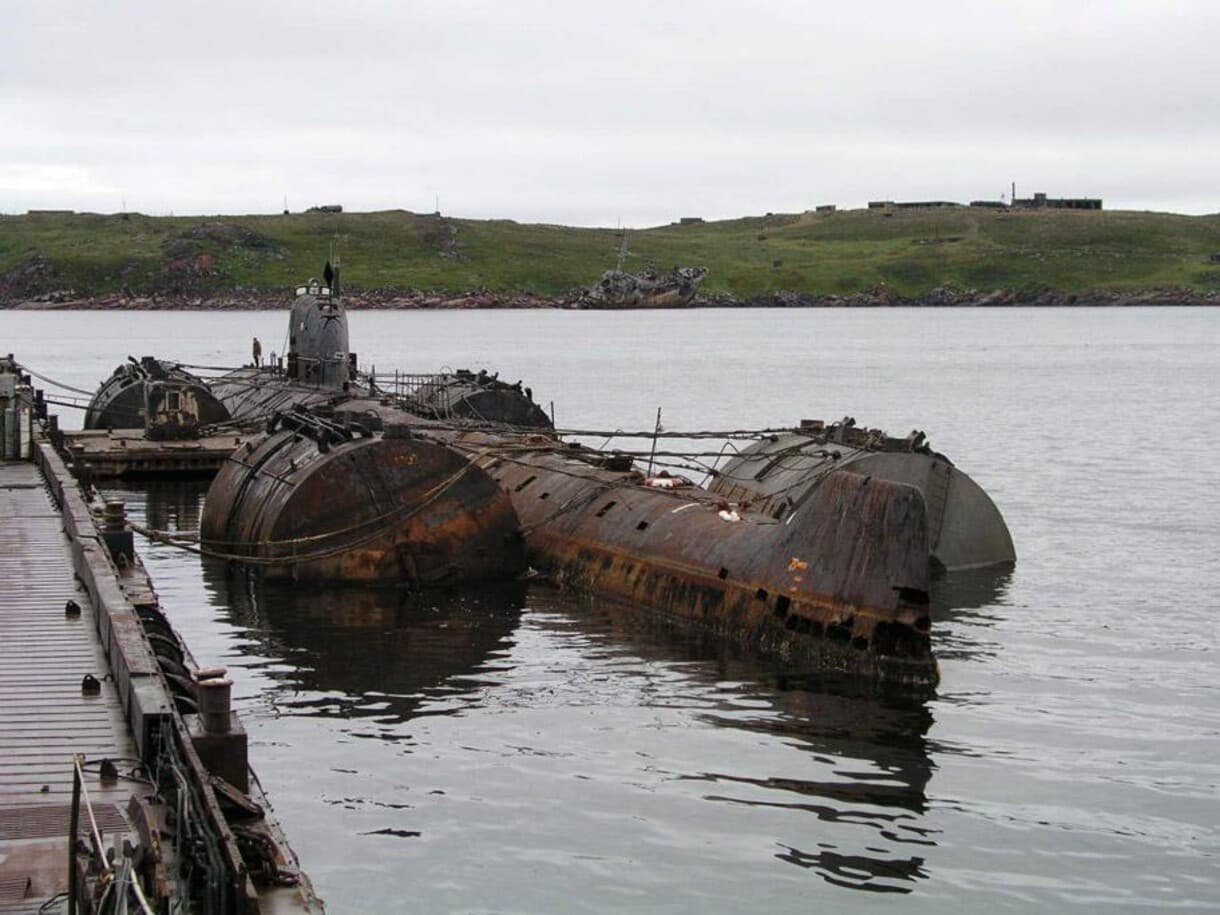
The research covered the area of Kildin Island, where the Soviet nuclear submarine K-159 sank in 2003 while being towed for disposal. Scientists performed oceanographic transects, surveyed seven observation stations, and collected material at ten points near Severodvinsk. Samples were taken from different depths, which allowed for a more accurate picture of the marine environment's condition.
According to operational radiometric control data, no exceedances of the natural background radiation were recorded. Roshydromet clarified that final conclusions would be made after laboratory analysis at the Northern UGMS and NPO "Typhoon." Experts emphasize that comprehensive sample processing will clarify potential long-term risks to the region's ecosystem.
Students from specialized universities also participated in the expedition, working alongside scientific groups during the Arctic voyage, studying methods of marine environmental monitoring.
K-159 belongs to the Soviet Project 627A "Kit" nuclear submarines and remains one of the most well-known submerged objects under constant environmental control in the Barents Sea.
Technical characteristics of K-159:
- Speed: surfaced – 15.5 knots; submerged – 30 knots
- Maximum diving depth – 300 meters
- Autonomy – 50–60 days
- Crew – 104 people (including 30 officers)
- Displacement: surfaced – 3065 tons; submerged – 4750 tons
- Length – 107.4 meters
- Hull width – 7.9 meters
- Mean draft – 5.65 meters
Read more on the topic:
Never miss our newsAdd this site to your preferred sources to see us more oftenAdd on Google

















