The Ministry of Digital Development clarified the mechanism of the unified IMEI code database, which is being created as part of the second anti-fraud package. As reported by the agency, citizens will not have to register their devices themselves – all information will be automatically received from telecom operators and the Federal Customs Service. The only exception: if a person brought a phone from abroad, they can voluntarily enter the IMEI through "Gosuslugi".
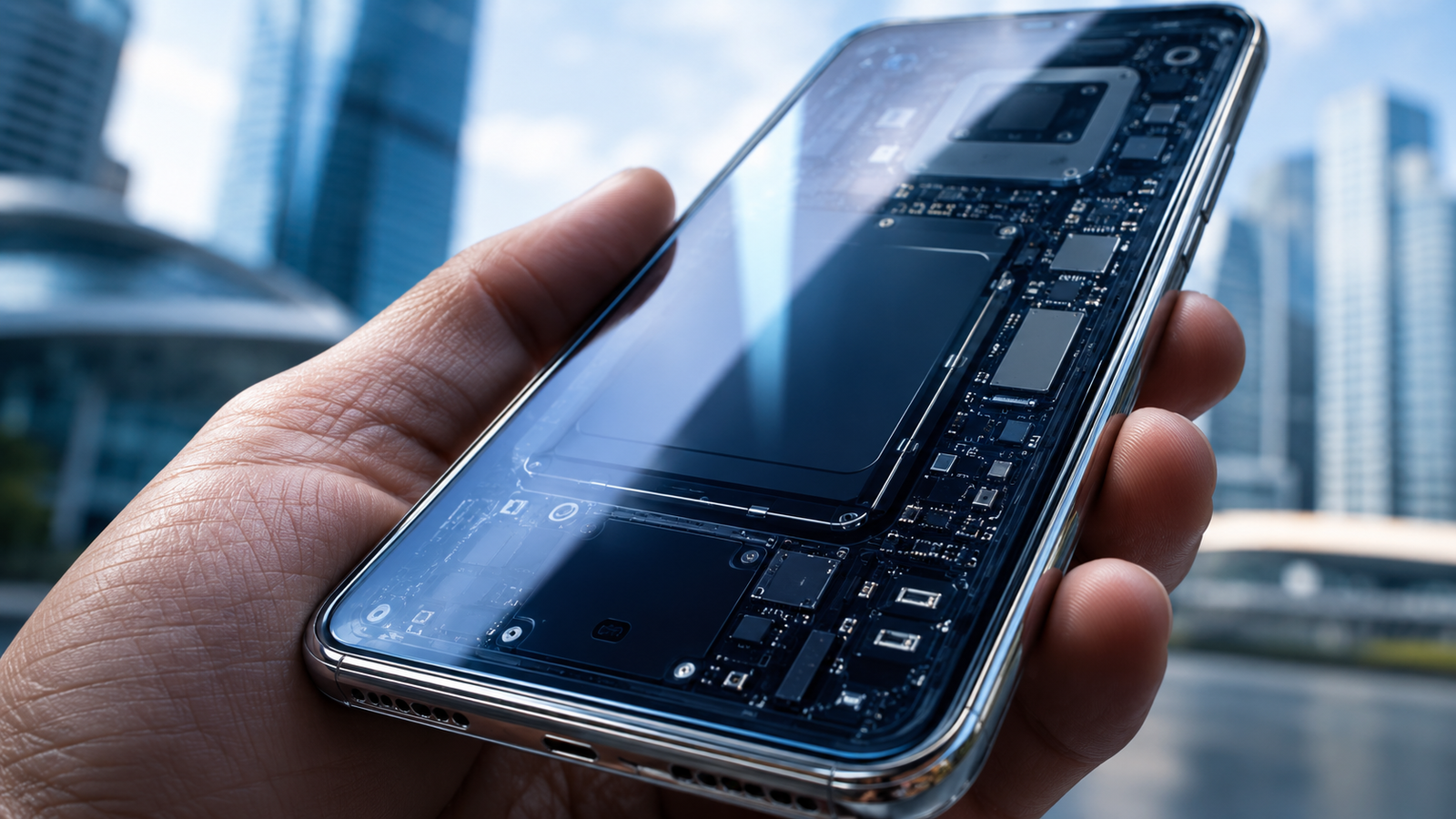
Technically, the system works simply: each time it connects to a cellular network, the operator records a 15-digit device identifier. If the number is on the blacklist, the device will be disconnected from communication services. As explained by the Big Data Association, this will allow for more effective combat against SIM banks and SIM boxes – devices through which fraudsters generate mass calls. In addition, the IMEI database will be used to protect against drones by tracking unauthorized communication modules.
For the market, this means almost complete whitewashing of turnover: legal suppliers already transmit IMEI during customs clearance, but gray phones risk turning into a "brick". Buyers of used phones will have to check the "cleanliness" of the device before the transaction. The law comes into force in September 2026. In fact, each phone becomes tied to the owner at the hardware level, which makes theft and resale of the device meaningless – the IMEI code can only be changed programmatically on old Android models, and even then with the risk of disrupting the gadget's functionality.
Read more on the topic:
Never miss our newsAdd this site to your preferred sources to see us more oftenAdd on Google

















